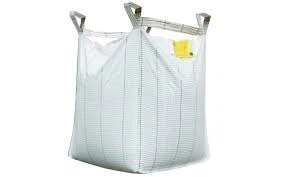
Hey there! As a supplier of bulk bags for process handling, I'm super excited to take you through the production process of these incredibly useful bags.
1. Material Selection
The first step in making bulk bags for process handling is choosing the right material. We usually go for high - strength polypropylene. It's a popular choice because it's tough, durable, and resistant to a lot of chemicals. This means the bags can handle different types of materials without getting damaged easily.
Polypropylene also has good UV resistance, which is great if the bags are going to be stored outdoors for a while. We source our polypropylene from reliable suppliers who can guarantee the quality. The quality of the raw material is crucial as it sets the foundation for the entire production process.
2. Extrusion
Once we have the polypropylene, it's time for the extrusion process. In this step, the polypropylene resin is melted down. We use specialized extrusion machines that heat the resin to a specific temperature until it turns into a molten state.


This molten polypropylene is then forced through a die, which shapes it into thin strands. These strands are then cooled down rapidly, usually by passing them through a water bath. The result is a set of strong, uniform polypropylene tapes. These tapes are the building blocks for the fabric that will make up the bulk bags.
3. Weaving
After the tapes are made, it's time to weave them into fabric. We use large weaving looms that work much like traditional looms but on a much larger scale. The tapes are interlaced in a specific pattern to create a strong and stable fabric.
There are different weaving patterns we can use, depending on the requirements of the bulk bags. For example, a plain weave is simple and provides good overall strength. A twill weave, on the other hand, can offer better flexibility and is often used for bags that need to conform to different shapes.
The width of the fabric can also be adjusted according to the size of the bulk bags we're going to make. Once the fabric is woven, it goes through a quality check to make sure there are no defects like loose threads or uneven weaving.
4. Printing (Optional)
If the customer requests it, we can print on the fabric. This could be for branding purposes, like printing the company logo, or for providing important information such as handling instructions, weight limits, and batch numbers.
We use high - quality inks that are resistant to fading and rubbing. The printing process is done using advanced printing machines that can accurately reproduce the design on the fabric. This step adds a professional touch to the bulk bags and can also help with identification and traceability.
5. Cutting
After the fabric is ready (and printed if necessary), it's time to cut it into the right shapes and sizes. We use precision cutting tools to ensure that each piece of fabric is cut to the exact dimensions required for the bulk bags.
The cutting process is crucial as any mistakes here can lead to ill - fitting bags. We have templates and guidelines in place to make sure that every cut is accurate. The cut pieces are then sorted and prepared for the next step of assembly.
6. Assembly
This is where the bulk bags start to take shape. The cut fabric pieces are sewn together using industrial sewing machines. We use strong threads that can withstand the weight and stress that the bags will be subjected to during use.
There are different types of seams we can use, depending on the application. For example, a double - stitched seam is stronger and more durable, and it's often used for bags that will carry heavy or abrasive materials.
We also attach the lifting loops at this stage. There are different types of lifting loops available, such as Top Lift Bulk Bag and Bottom Lift Bulk Bag. The choice of lifting loop depends on how the bag will be lifted and handled in the process.
7. Quality Control
Once the bulk bags are assembled, they go through a rigorous quality control process. We check for things like the strength of the seams, the integrity of the fabric, and the functionality of the lifting loops.
We use various testing methods, such as pulling tests to check the strength of the lifting loops and seam strength tests. We also inspect the bags for any visible defects like holes, loose threads, or misaligned seams. Only bags that pass the quality control tests are approved for shipment.
8. Packaging and Shipping
After passing the quality control, the bulk bags are carefully packaged. We usually fold the bags neatly and place them in cardboard boxes or plastic wraps to protect them during transportation.
We then arrange for shipping to the customer's location. We work with reliable shipping partners to ensure that the bags are delivered on time and in good condition.
Why Choose Our Bulk Bags?
Our bulk bags for process handling are made with the highest quality materials and the latest production techniques. We have a team of experienced professionals who oversee every step of the production process to ensure that the bags meet the highest standards.
Whether you need Top Lift Bulk Bag for easy top - loading and lifting or Bottom Lift Bulk Bag for a different handling method, we've got you covered.
If you're in the market for high - quality bulk bags for process handling, don't hesitate to get in touch with us. We're always happy to discuss your specific needs and provide you with a customized solution.
References
- "Plastic Packaging Materials: Properties, Processing, Applications" by Y. H. Ma and M. M. Salama
- "Textile Science" by Harold K. Berenbeim