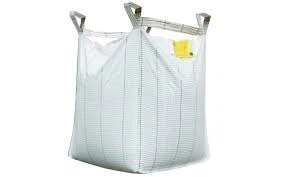
Hey there! As a supplier of Bottom Lift Bulk Bags, I often get asked this question: “Are Bottom Lift Bulk Bags reusable?” Today, I’m gonna dive deep into this topic and share some insights based on my experience in this industry.
First off, let’s understand what Bottom Lift Bulk Bags are. A Bottom Lift Bulk Bag is a type of flexible intermediate bulk container (FIBC) designed to be lifted from the bottom. This design offers some unique advantages, like easier handling and more stable transportation, especially when dealing with heavy or irregularly - shaped loads. But when it comes to reusability, there are several factors to consider.
Material Quality
The material of the Bottom Lift Bulk Bags plays a huge role in determining whether they can be reused. Most of the time, these bags are made from high - strength polypropylene fabric. Polypropylene is known for its durability, resistance to moisture, and chemical stability. If the bag is made from good - quality polypropylene, it has a higher chance of being reusable.
For example, if the bag has been used to carry dry, non - abrasive materials like grains or powders, and the polypropylene fabric hasn't suffered any major damage during the first use, it can often be used again. However, if the bag has been exposed to harsh chemicals or abrasive substances, the fabric might get weakened or damaged. In such cases, reusing the bag could be risky as it might not be able to hold the load safely in subsequent uses.
Usage Conditions
The conditions under which the Bottom Lift Bulk Bags are used also matter a lot. If the bags are used in a clean, controlled environment, they are more likely to be reusable. For instance, in a food processing facility where the bags are used to transport ingredients and are properly cleaned after each use, the chances of reusing them are quite high.
On the other hand, if the bags are used in a construction site or a mining operation, where they are exposed to dirt, dust, and rough handling, the wear and tear will be much more significant. Sharp objects at these sites can easily puncture the bags, and the constant rubbing against rough surfaces can cause the fabric to fray. So, in these high - stress environments, the bags might not be suitable for reuse.
Inspection and Maintenance
Proper inspection and maintenance are crucial for determining the reusability of Bottom Lift Bulk Bags. Before considering reusing a bag, it should be thoroughly inspected for any signs of damage. Look for holes, tears, frayed edges, or any signs of chemical degradation. If there are minor damages, they can sometimes be repaired. For example, small holes can be patched up using a suitable adhesive or a repair kit.
Regular cleaning is also an important part of maintenance. If the bag has been used to carry dirty or sticky materials, it should be cleaned to remove all the residues. This not only helps in maintaining the integrity of the bag but also ensures that there is no cross - contamination if the bag is reused to carry different materials.
Comparison with Top Lift Bulk Bags
It’s interesting to compare the reusability of Bottom Lift Bulk Bags with Top Lift Bulk Bags. Top Lift Bulk Bags are lifted from the top, and their design might expose them to different types of stress. For example, the lifting loops at the top of a Top Lift Bulk Bag can get more wear and tear during the lifting process.
In some cases, the bottom - lifting mechanism of Bottom Lift Bulk Bags can provide more stability during transportation, which might result in less overall stress on the bag. This could potentially make them more suitable for reuse compared to Top Lift Bulk Bags, especially when dealing with heavy or bulky loads. However, it really depends on the specific usage scenario and how well the bags are maintained.
Cost - Benefit Analysis
When talking about reusing Bottom Lift Bulk Bags, we also need to consider the cost - benefit analysis. Reusing bags can save money in the long run as you don't have to keep buying new ones. But you also need to factor in the cost of inspection, maintenance, and potential repairs.
If the cost of inspecting, cleaning, and repairing a bag is relatively low compared to the cost of a new bag, then reusing makes economic sense. However, if the bag is severely damaged and the repair costs are high, it might be more cost - effective to just buy a new one.


Real - World Examples
In my experience as a supplier, I've seen many customers successfully reuse Bottom Lift Bulk Bags. One of our customers in the agricultural industry uses these bags to transport grains. After each harvest season, they clean the bags thoroughly and inspect them for any damage. They've been able to reuse the same bags for several seasons, which has significantly reduced their packaging costs.
On the other hand, a construction company we worked with found that their Bottom Lift Bulk Bags were getting damaged too quickly due to the rough working conditions. They tried to reuse some of the bags, but the constant repairs were becoming too expensive. In the end, they decided to use the bags for single - use only.
Conclusion
So, are Bottom Lift Bulk Bags reusable? The answer is, it depends. If the bags are made from high - quality materials, used in suitable conditions, and properly maintained through regular inspection and cleaning, they can definitely be reused. However, in high - stress environments or when the bags are severely damaged, reusing might not be a viable option.
As a supplier, I always recommend my customers to assess the condition of their bags carefully before deciding whether to reuse them or not. If you're interested in learning more about Bottom Lift Bulk Bags or have any questions about their reusability, feel free to reach out. We can have a chat and figure out the best solution for your specific needs. Whether you need single - use bags or are looking to reuse them, we've got you covered. Let's start a conversation and see how we can work together to meet your packaging requirements.
References
- "Flexible Intermediate Bulk Containers (FIBCs): Design, Testing, and Application" - Industry publication on FIBCs
- Company records of customer experiences with Bottom Lift Bulk Bags