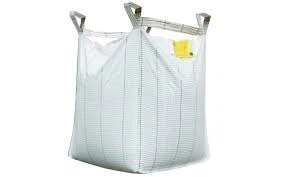
As a supplier of Bottom Lift Bulk Bags, I often encounter inquiries about the abrasion - resistance of these essential industrial products. In this blog, I will delve into what abrasion - resistance means for Bottom Lift Bulk Bags, its significance, and how we ensure our products meet the highest standards.
Understanding Abrasion - Resistance
Abrasion - resistance refers to a material's ability to withstand the wear and tear caused by friction when it comes into contact with other surfaces. In the context of Bottom Lift Bulk Bags, this property is crucial as these bags are used to transport and store a wide variety of materials, from fine powders to coarse aggregates. During the handling process, the bags can rub against conveyor belts, forklift tines, storage racks, and other equipment. Without adequate abrasion - resistance, the bags may develop holes, tears, or weakened areas, leading to product leakage and potential safety hazards.
Why Abrasion - Resistance Matters for Bottom Lift Bulk Bags
- Product Integrity: When you are transporting valuable or hazardous materials, the last thing you want is for the bag to fail due to abrasion. A high - quality, abrasion - resistant Bottom Lift Bulk Bag ensures that the contents remain secure throughout the entire supply chain, from production to the end - user.
- Cost - Efficiency: Investing in abrasion - resistant bags can significantly reduce long - term costs. Bags that are less likely to wear out quickly need to be replaced less frequently, saving on the expense of purchasing new bags. Additionally, preventing product leakage means less waste, which can also result in cost savings.
- Safety: In industries where the materials being transported are dangerous, such as chemicals or heavy metals, a bag that fails due to abrasion can pose a serious safety risk. Abrasion - resistant Bottom Lift Bulk Bags help to minimize the chances of spills and leaks that could harm workers or the environment.
Factors Affecting the Abrasion - Resistance of Bottom Lift Bulk Bags
- Material Selection: The type of fabric used in the construction of the bag is a primary determinant of its abrasion - resistance. Polypropylene, a common material for bulk bags, can vary in quality. High - density polypropylene fabrics are generally more abrasion - resistant than lower - density ones. We carefully select the polypropylene materials for our Bottom Lift Bulk Bags to ensure they offer optimal protection against abrasion.
- Coating and Laminations: Applying a coating or lamination to the bag's surface can enhance its abrasion - resistance. Coatings can create a smooth, durable layer that reduces friction and protects the underlying fabric. For example, a polyethylene coating can provide an extra barrier against wear and tear, especially when the bag is in contact with rough surfaces.
- Bag Design: The design of the Bottom Lift Bulk Bag also plays a role in its abrasion - resistance. Bags with reinforced seams and corners are less likely to tear when subjected to stress. Additionally, the placement of lifting loops and other features can affect how the bag interacts with handling equipment. Our design team takes these factors into account to create bags that are both functional and durable.
Testing the Abrasion - Resistance of Bottom Lift Bulk Bags
To ensure that our Bottom Lift Bulk Bags meet the highest standards of abrasion - resistance, we conduct rigorous testing. One common method is the Taber Abrasion Test, which measures the amount of material lost from the bag's surface after a specified number of abrasion cycles. We also perform real - world simulations, where we subject the bags to the same conditions they are likely to encounter during actual use, such as rubbing against conveyor belts and forklift tines. By conducting these tests, we can identify any potential weaknesses in the bag's design or material and make necessary improvements.
Comparing Bottom Lift Bulk Bags with Other Types
When considering the abrasion - resistance, it's also useful to compare Bottom Lift Bulk Bags with Top Lift Bulk Bags. While both types of bags serve the purpose of transporting bulk materials, their handling methods can affect their abrasion patterns. Top Lift Bulk Bags are typically lifted from the top, which may expose the upper part of the bag to more wear and tear during the lifting process. In contrast, Bottom Lift Bulk Bags are lifted from the bottom, which can distribute the stress more evenly across the bag's surface. However, the bottom of a Bottom Lift Bulk Bag may be more prone to abrasion when it comes into contact with the floor or other surfaces during loading and unloading. Our Bottom Lift Bulk Bags are designed to address these specific abrasion challenges, providing a balanced solution for various applications.


Our Commitment to Quality Abrasion - Resistant Bottom Lift Bulk Bags
As a supplier, we are committed to providing our customers with the highest - quality Bottom Lift Bulk Bags. We continuously invest in research and development to improve the abrasion - resistance of our products. Our manufacturing processes are carefully monitored to ensure that every bag meets our strict quality control standards. We also offer customization options, allowing customers to choose the level of abrasion - resistance that best suits their specific needs.
Conclusion and Call to Action
In conclusion, the abrasion - resistance of Bottom Lift Bulk Bags is a critical factor that affects product integrity, cost - efficiency, and safety. Our company, with its expertise in the field, is dedicated to providing you with the best - in - class Bottom Lift Bulk Bags that offer superior abrasion - resistance. Whether you are in the chemical, agricultural, or construction industry, our bags can meet your bulk material handling requirements.
If you are interested in learning more about our Bottom Lift Bulk Bags or would like to discuss your specific needs, we encourage you to reach out to us for a detailed consultation. Our team of experts is ready to assist you in finding the perfect solution for your business.
References
- ASTM International. (20XX). Standard Test Methods for Abrasion Resistance of Textile Fabrics (Taber Abraser Method).
- Smith, J. (20YY). "The Importance of Abrasion - Resistance in Bulk Bag Design". Journal of Industrial Packaging.