Bulk Bags for Process Handling

What is Bulk Bags for Process Handling


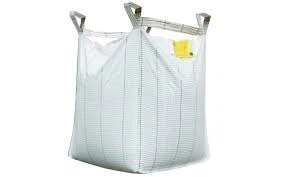
Bulk bags for process handling, also known as FIBCs (Flexible Intermediate Bulk Containers), are large, flexible containers designed to store and transport dry, flowable products. They are made from woven fabric, typically polypropylene, and are known for their high load capacity and durability. Bulk bags are widely used across various industries, including agriculture, food processing, chemicals, and construction.


Benefits of Bulk Bags for Process Handling


Cost-Effective Storage and Transport
Bulk bags offer a cost-effective solution for storing and transporting agricultural products. They minimize the need for traditional packaging materials such as boxes, crates, or sacks, reducing packaging costs and saving valuable storage space.


Efficient Handling
With their large capacity and built-in lifting mechanisms, bulk bags facilitate the efficient handling of agricultural materials. These bags can be lifted, filled, and transported using cranes, forklifts, or other material-handling equipment.


Space Optimization
Bulk bags help optimize storage space on farms by allowing vertical stacking, thereby maximizing warehouse or storage capacity. Their compact design and ability to be stored in tight spaces make them ideal for farms with limited storage areas.


Protection from Contamination
Bulk bags provide a protective barrier against contamination. It safeguards agricultural products from exposure to moisture, pests, and other environmental factors. As a result, it leads to improved product quality and longer shelf life.


Versatility
Bulk bags are versatile and can be used for a wide range of agricultural applications. Examples include storing, transporting, and handling various materials such as grains, seeds, fertilizers, and animal feed.
FAQ

Q: How long do bulk bags for process handling last?

A: Although a bulk bag typically lasts five years, there are a few things to take into account that could impact this estimation. First and foremost, the safety factor rating is significant. The shelf-life of your bulk bags will improve with a higher safety factor rating.

Q: How much can a bulk bag for process handling hold?

A: Bulk bags come in various sizes and weight capacities, typically ranging from 500 kg (1,100 lbs) to 2,000 kg (4,400 lbs). The safe working load (SWL) should be clearly marked on the bag, so be sure to choose one that can handle your product's weight.

Q: Can bulk bag for process handling be reused?

A: Yes, bulk bags can be reused. This requires a multi-trip bulk bag, which is made with a 6:1 Safety Factor. This type of bag is designed to be used for a specific amount of uses. Some users reuse bulk bags with a 5:1 safety factor. In fact, it is a common occurrence.

Q: Can you stack bulk bags for process handling?

A: When stacking filled bulk bags, they must be stacked with stability as the priority. Ideally the bags will be stacked in between two walls/supports (three if possible). Should this not be possible, a pyramid method should be used to ensure stability.

Q: How many logs are in a bulk bags for process handling?

A: A bulk bag (often called builders bag) will provide you with a steady stream of logs to fuel your fires. A single bulk bag weighs 215kg and contains approximately 300 logs. If you use five logs a night in your wood burner, this will provide you with enough logs to last for around two months.

Q: How do you secure a bulk bags for process handling?

A: You should secure bulk bags carried on open vehicles by: using rated nets or tarpaulins. strapping over the top of an empty pallet placed on top of the bag to distribute the force of the straps.

Q: Are bulk bags for process handling waterproof?

A: While bulk bags are durable and made from tightly woven materials to ensure your products stay safe in the bag, they are not waterproof or watertight. Even if the bag has a polypropylene laminate coating on the inside or outside, it isn't resistant to water.

Q: Who uses bulk bags for process handling?

A: Construction: In the construction industry, it's easy to lift and transport sand, gravel, cement, resins and other materials using bulk bags. Food processing: Dry food products like sugar, grains, seeds, coffee beans, nuts and more are well suited for bulk bag transport.

Q: How do you prevent bulk bag for process handling rupture during handling?

A: Bulk bags should only be handled by a qualified forklift operator. To prevent the bag from tearing during loading and unloading, use a forklift with rounded or square tines, not sharp tines. Since most bulk bag injuries result from breaking handles, the operator should also take care during loading.

Q: Are bulk bags for process handling resistant to UV exposure?

A: Bulk bags will resist UV rays and resist breakdown when exposed to the sun. However, that doesn't mean they are impervious to degradation when exposed to UV rays. In fact, all bags have an hour rating that limits how much they can be exposed to UV rays.

Q: How do you empty bulk bags for process handling?

A: The most conventional way to discharge bulk bags involves releasing its contents through a spout at the bottom of the bag. Because material tends to be packed very tightly in the bulk bag, some agitation may be required to get the product flowing out of the bag and into the container.

Q: What industries use bulk bags for process handling?

A: Food processing: Dry food products like sugar, grains, seeds, coffee beans, nuts and more are well suited for bulk bag transport. Mining: In the mining industry, mining products like coal, minerals and metal ores are also ideal for transport in bulk bags.

Q: Are bulk bags for process handling environmentally friendly?

A: Bulk bags are another excellent sustainable packaging material because they can be reused and recycled. This benefits the environment and helps you save costs on packaging products.

Q: What is the difference between coated and uncoated bulk bags for process handling?

A: Uncoated bags provide for greater airflow and moisture transmission than coated bags. In general, uncoated bags are suitable for particle sizes that exceed 125 microns or 120 mesh. Most fine products packed in uncoated bags do not leak through the fabric. However, they may appear to dust or smoke from the bag's fabric.

Q: What materials are bulk bags for process handling made of?

A: Bulk bags are made of polypropylene fabric, a strong, durable, and thermoplastic polymer FIBC material that's resistant to moisture, chemicals, and UV radiation. Coatings provide extra protection, and bags feature woven polypropylene lifting loops for easy handling.

Q: What types of closures are available for bulk bags for process handling?

A: Common closures include open tops for easy filling, duffle tops that can be tied off for added protection, spout tops for controlled filling and discharge, and flap tops to shield the contents.
As one of the leading bulk bags for process handling manufacturers and suppliers in China, we warmly welcome you to buy customized bulk bags for process handling from our factory. Contact us for pricelist and free sample. Top Lift Bulk Bag, bulk bags for process handling, Bottom Lift Bulk Bag

whatsapp

Phone

E-mail

Inquiry