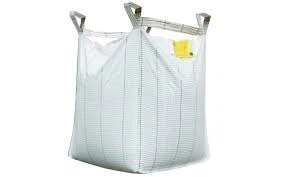
Hey there! As a supplier of Paper - plastic Composite Flat Valve Bags, I often get questions about the flame retardancy of these bags. So, let's dig into what flame retardancy in paper - plastic composite flat valve bags really means.
First off, you might be wondering why flame retardancy matters. Well, for a lot of industries that use these bags, fire safety is a top concern. Whether it's storing chemicals, powders, or other potentially flammable materials, having a bag that can resist catching fire is super important. It can prevent small sparks from turning into big disasters, and that's crucial for protecting both the products inside the bags and the people handling them.
Now, let's talk about how these bags achieve flame retardancy. Paper - plastic composite flat valve bags are made by combining paper and plastic materials. To make them flame - retardant, special additives are usually mixed into the plastic layer during the manufacturing process. These additives work in different ways to slow down or stop the spread of fire.
One common type of flame - retardant additive is a halogen - based compound. Halogens like bromine and chlorine can react with the free radicals that are produced when a material catches fire. By reacting with these free radicals, the halogen - based additives can interrupt the chemical reactions that keep the fire going. This helps to reduce the flammability of the plastic layer in the bag.
Another type of additive is a phosphorus - based compound. Phosphorus can form a char layer on the surface of the material when it's exposed to heat. This char layer acts as a barrier, preventing oxygen from reaching the underlying material and also insulating it from the heat. As a result, the fire is less likely to spread and the bag can resist burning for a longer time.
But it's not just about the additives. The design and construction of the bag also play a role in its flame retardancy. For example, the way the paper and plastic layers are bonded together can affect how well the bag holds up in a fire. A strong bond ensures that the layers don't separate easily when exposed to heat, which helps to maintain the integrity of the bag and its flame - retardant properties.
Now, let's look at some of the benefits of using flame - retardant paper - plastic composite flat valve bags. One of the biggest advantages is safety. As I mentioned earlier, these bags can help prevent fires from spreading, which is a huge plus for industries where fire is a risk. They also offer peace of mind to customers who are worried about the safety of their products during storage and transportation.
In addition to safety, flame - retardant bags can also meet regulatory requirements. Many countries and industries have strict fire safety regulations in place. By using flame - retardant paper - plastic composite flat valve bags, companies can ensure that they are in compliance with these regulations, avoiding potential fines and legal issues.
When it comes to the applications of these bags, they are quite versatile. They are commonly used in the chemical industry to store and transport various chemicals, including some that are flammable or combustible. They are also used in the food industry for products that need to be protected from fire during storage. And in the construction industry, these bags can be used to hold cement, lime, and other powdered materials.
If you're interested in other types of paper - plastic composite bags, we also offer Paper - plastic Composite Tear - open Bag, Paper - plastic Composite M - fold Valve Bag, and Paper - plastic Composite Square Bottom M - fold Bag. Each of these bags has its own unique features and benefits, but they all share the high - quality standards that we are known for.
When choosing flame - retardant paper - plastic composite flat valve bags, there are a few things you should consider. First, you need to make sure that the bags meet the relevant fire safety standards. Different industries may have different requirements, so it's important to do your research and choose a bag that is suitable for your specific needs.
Second, you should look at the quality of the materials and the manufacturing process. A well - made bag with high - quality materials and proper manufacturing techniques is more likely to have good flame - retardant properties. You can ask the supplier for information about the materials used and the testing methods they use to ensure the quality of the bags.
Finally, consider the cost. Flame - retardant bags may be more expensive than regular bags, but the added safety benefits are often worth the extra cost. You should compare the prices of different suppliers and evaluate the overall value that you're getting.
In conclusion, the flame retardancy of paper - plastic composite flat valve bags is an important feature that offers many benefits in terms of safety and compliance. By understanding how these bags achieve flame retardancy and what to look for when choosing them, you can make an informed decision for your business. If you're interested in purchasing our flame - retardant paper - plastic composite flat valve bags or any of our other products, feel free to reach out to us to start a procurement discussion. We're always happy to help you find the right packaging solution for your needs.


References
- "Flame Retardants: Principles and Applications" by John W. Lyons
- "Handbook of Polymer Foams and Foam Technology" edited by Daniel Klempner and Kurt C. Frisch