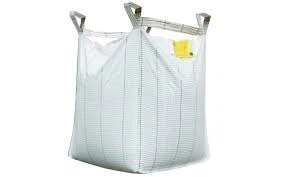
Hey there! As a supplier of Paper - plastic Composite M - fold Valve Bags, I often get asked about the gas barrier property of these bags. So, let's dive right into it and explore what the gas barrier property of Paper - plastic Composite M - fold Valve Bags is all about.
First off, let's understand what Paper - plastic Composite M - fold Valve Bags are. These bags are a type of packaging solution that combines the strength and flexibility of paper with the durability and moisture - resistance of plastic. The M - fold design provides a stable shape for the bag, and the valve allows for easy filling. You can learn more about them here: Paper - plastic Composite M - fold Valve Bag.
Now, onto the gas barrier property. Gas barrier property refers to a material's ability to prevent the passage of gases, such as oxygen, carbon dioxide, and water vapor. In the case of Paper - plastic Composite M - fold Valve Bags, this property is crucial for several reasons.
For products that are sensitive to oxygen, like food items, pharmaceuticals, and some chemicals, a good gas barrier can extend their shelf life. Oxygen can cause oxidation, which leads to spoilage, color changes, and a loss of nutritional value. When our Paper - plastic Composite M - fold Valve Bags have a high - quality gas barrier, they can keep oxygen out, preserving the freshness and quality of the contents inside.
Similarly, water vapor can also be a problem. If a product is hygroscopic (it absorbs moisture from the air), exposure to water vapor can cause it to clump, degrade, or even become moldy. A strong gas barrier in our bags helps to keep water vapor from getting in, protecting the product from these issues.
So, how do these bags achieve a good gas barrier? It all comes down to the materials used in the composite. The plastic layer in the Paper - plastic Composite M - fold Valve Bags plays a major role. Different types of plastics have different gas - barrier capabilities. For example, polyethylene terephthalate (PET) has a relatively good oxygen barrier, while polyvinylidene chloride (PVDC) is known for its excellent barrier against both oxygen and water vapor.
The paper layer also contributes to the overall gas - barrier performance. While paper itself is not a great gas barrier, it can act as a physical barrier to some extent. It can protect the plastic layer from damage, which could otherwise compromise the gas - barrier property.
Moreover, the manufacturing process is also important. A well - made composite ensures that there are no gaps or weak points between the paper and plastic layers. Any imperfections in the bonding between the two materials can create pathways for gases to pass through.
Compared to other types of bags, Paper - plastic Composite M - fold Valve Bags have some advantages when it comes to gas barrier. Take the Paper - plastic Composite Crepe Paper Sewn Bottom Bag for example. The M - fold valve design of our bags provides a more secure seal during filling, which can enhance the gas - barrier effect. And when compared to the Lined Paper - plastic Composite Packaging Bag, the M - fold structure gives a more consistent shape, reducing the chances of gas leakage due to bag deformation.


We also offer different levels of gas - barrier performance in our Paper - plastic Composite M - fold Valve Bags. Depending on your specific needs, whether you're packaging dry foods that only need a basic level of protection or high - value pharmaceuticals that require an extremely high - performance gas barrier, we can customize the bags for you.
In real - world applications, our Paper - plastic Composite M - fold Valve Bags with good gas barrier properties have been well - received. For instance, in the food industry, many of our customers have reported that the products in our bags stay fresh for longer periods. In the chemical industry, the bags help to prevent the evaporation of volatile chemicals, ensuring the stability of the product.
If you're in the market for packaging solutions and are concerned about gas - barrier requirements, our Paper - plastic Composite M - fold Valve Bags could be the perfect choice for you. We have the expertise and experience to provide you with high - quality bags that meet your specific needs. Whether you're a small - scale producer or a large - scale manufacturer, we can work with you to find the best packaging option.
If you're interested in learning more or discussing your packaging requirements, don't hesitate to reach out. We're always happy to have a chat and help you find the right solution for your products.
References
- Packaging Technology Handbook, Third Edition. Edited by Wilmer A. Jenkins and James P. Harrington.
- Plastic Films: Technology and Packaging Applications. By Wilmer A. Jenkins and James P. Harrington.