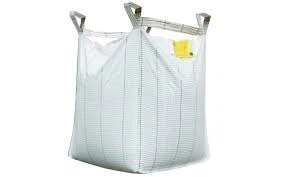
Are food grade kraft paper packaging bags biodegradable? This is a question that has been on the minds of many consumers and businesses alike. As a supplier of Food Grade Kraft Paper Packaging Bag, I am often asked about the environmental impact of our products. In this blog post, I will delve into the topic of biodegradability, explore the characteristics of food grade kraft paper packaging bags, and discuss their implications for a sustainable future.
Understanding Biodegradability
Biodegradability refers to the ability of a material to break down naturally into simpler substances by the action of living organisms such as bacteria, fungi, and algae. When a material is biodegradable, it can be recycled back into the ecosystem, reducing its environmental impact. In contrast, non - biodegradable materials, like many plastics, persist in the environment for long periods, leading to pollution and other ecological problems.
The process of biodegradation typically occurs in three stages: biodeterioration, biofragmentation, and assimilation. During biodeterioration, the material's physical and chemical properties are altered by the action of microorganisms. Biofragmentation then breaks the material into smaller pieces, increasing the surface area available for further degradation. Finally, assimilation occurs when the microorganisms consume the fragments and convert them into carbon dioxide, water, and biomass.
Characteristics of Food Grade Kraft Paper Packaging Bags
Food grade kraft paper packaging bags are made from kraft paper, which is a type of paper produced from wood pulp using the kraft process. This process involves treating wood chips with a mixture of sodium hydroxide and sodium sulfide, which breaks down the lignin and other impurities in the wood, leaving behind cellulose fibers.
One of the key advantages of kraft paper is its strength. The long cellulose fibers in kraft paper give it high tensile strength, making it suitable for packaging a variety of food products. It can withstand the rigors of handling and transportation without tearing or breaking easily.
Another important characteristic is its food - grade quality. Our Food Grade Kraft Paper Packaging Bag meets strict safety standards to ensure that it does not contaminate the food it contains. It is free from harmful chemicals and additives, and it can be in direct contact with food without posing a health risk.
Biodegradability of Food Grade Kraft Paper Packaging Bags
Food grade kraft paper packaging bags are indeed biodegradable. Since kraft paper is made primarily from cellulose, a natural polymer, it can be easily broken down by microorganisms in the environment. When exposed to the right conditions, such as moisture, oxygen, and the presence of appropriate microorganisms, the cellulose fibers in the kraft paper are gradually decomposed.
In a composting environment, for example, food grade kraft paper packaging bags can break down within a few weeks to a few months. The rate of degradation depends on several factors, including the thickness of the paper, the presence of any coatings or additives, and the composting conditions. Thinner kraft paper will generally degrade faster than thicker paper. If the paper has been treated with a biodegradable coating, it will still be able to break down, but the coating may slow down the process slightly.
Compared to non - biodegradable packaging materials like plastic bags, the biodegradability of food grade kraft paper packaging bags is a significant environmental advantage. Plastic bags can take hundreds of years to break down, and even then, they often only fragment into microplastics, which can have a negative impact on wildlife and the environment.
Environmental Benefits of Using Biodegradable Food Grade Kraft Paper Packaging Bags
The use of biodegradable food grade kraft paper packaging bags offers several environmental benefits. Firstly, it reduces the amount of waste that ends up in landfills. Since these bags can break down naturally, they do not contribute to the growing problem of landfill overcrowding.
Secondly, the production of kraft paper is generally more sustainable than that of plastic. The raw material for kraft paper, wood, is a renewable resource. As long as forests are managed sustainably, the supply of wood for paper production can be maintained. Additionally, the kraft process has become more energy - efficient over the years, reducing the overall carbon footprint of paper production.
Moreover, the biodegradability of kraft paper means that it can be recycled more easily. After use, food grade kraft paper packaging bags can be collected and recycled into new paper products, further reducing the demand for virgin materials.
Comparing with Other Types of Packaging
Let's compare food grade kraft paper packaging bags with Kraft Paper Packaging Bag for Chemical Powder Materials. While both are made from kraft paper, their applications and requirements are different. Chemical powder packaging bags need to have additional properties such as resistance to chemical corrosion and better sealing to prevent the leakage of powders. However, in terms of biodegradability, both types share the same advantage of being able to break down in the environment.


When compared to plastic food packaging, the differences are even more stark. Plastic packaging is often non - biodegradable and can release harmful chemicals during its production and decomposition. Food grade kraft paper, on the other hand, is a natural and safe alternative that has a much lower environmental impact.
Conclusion and Call to Action
In conclusion, food grade kraft paper packaging bags are biodegradable, offering a sustainable solution for food packaging. Their strength, food - grade quality, and environmental friendliness make them an excellent choice for businesses and consumers who are concerned about the environment.
As a supplier of high - quality food grade kraft paper packaging bags, we are committed to providing products that meet the highest standards of quality and sustainability. If you are looking for a reliable and eco - friendly packaging solution for your food products, we would love to hear from you. Contact us to discuss your packaging needs and explore how our food grade kraft paper packaging bags can benefit your business. Let's work together to create a more sustainable future through responsible packaging choices.
References
- "Biodegradation of Polymers: An Overview" by Sudhakar K. Shukla and S. Srivastava.
- "The Kraft Process for Pulp and Paper Production" by the Forest Products Laboratory.
- "Environmental Impact of Packaging Materials" by the Environmental Protection Agency.