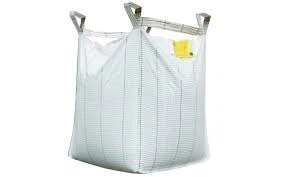
As a supplier of Top Lift Bulk Bags, I often get asked about the suitability of these bags for use in windy environments. This is a crucial question, especially for industries that operate outdoors or in areas prone to strong winds. In this blog post, I'll delve into the characteristics of Top Lift Bulk Bags and evaluate their performance in windy conditions.
Understanding Top Lift Bulk Bags
Before we discuss their performance in windy environments, let's first understand what Top Lift Bulk Bags are. Top Lift Bulk Bags, also known as FIBCs (Flexible Intermediate Bulk Containers), are large, flexible containers designed to store and transport a variety of dry, flowable products such as grains, chemicals, and minerals. They are equipped with lifting loops at the top, which allow for easy handling using forklifts or cranes. You can find more information about Top Lift Bulk Bags on our website.
Factors Affecting Performance in Windy Environments
Several factors come into play when determining whether Top Lift Bulk Bags are suitable for use in windy conditions. These include the bag's design, material, and the nature of the contents.
Design
The design of a Top Lift Bulk Bag can significantly impact its performance in windy environments. Bags with a low profile and a stable base are generally more resistant to wind. This is because they have a lower center of gravity, which makes them less likely to tip over. Additionally, bags with a tapered shape can help to reduce wind resistance and prevent the bag from catching the wind like a sail.
Material
The material used to construct the Top Lift Bulk Bag is another important factor. Bags made from high-quality, durable materials are more likely to withstand the forces exerted by the wind. Polypropylene is a commonly used material for bulk bags due to its strength, flexibility, and resistance to weathering. However, the thickness and weave of the polypropylene can also affect the bag's performance. A thicker, tighter weave will provide more resistance to wind and prevent the bag from tearing or puncturing.
Contents
The nature of the contents inside the Top Lift Bulk Bag can also influence its stability in windy conditions. Bags filled with heavy, dense materials are generally more stable than those filled with light, fluffy materials. This is because the weight of the contents helps to keep the bag grounded and reduces the risk of it being blown over. Additionally, the way the contents are packed can also affect the bag's stability. A well-packed bag with evenly distributed contents will be more stable than one with a lopsided or uneven load.
Advantages of Using Top Lift Bulk Bags in Windy Environments
Despite the challenges posed by windy conditions, there are several advantages to using Top Lift Bulk Bags in these environments.
Versatility
Top Lift Bulk Bags are highly versatile and can be used in a variety of applications, including outdoor storage and transportation. They can be easily moved and positioned using forklifts or cranes, making them suitable for use in different locations and terrains.
Cost-Effective
Compared to other types of storage and transportation solutions, Top Lift Bulk Bags are relatively inexpensive. They are also reusable, which can help to reduce costs over time. Additionally, the lightweight nature of the bags means that they require less energy to transport, which can further reduce costs.
Customizable
Top Lift Bulk Bags can be customized to meet the specific needs of different industries and applications. They can be made in different sizes, shapes, and colors, and can be equipped with various features such as liners, baffles, and discharge spouts. This allows users to choose the bag that is best suited for their particular requirements.
Disadvantages of Using Top Lift Bulk Bags in Windy Environments
While there are many advantages to using Top Lift Bulk Bags in windy environments, there are also some potential disadvantages that need to be considered.
Stability Issues
As mentioned earlier, the stability of Top Lift Bulk Bags can be affected by windy conditions. Bags that are not properly designed or loaded may be more prone to tipping over, which can pose a safety hazard and result in damage to the contents.
Wind Resistance
The large surface area of Top Lift Bulk Bags can make them more susceptible to wind resistance. This can make it difficult to move the bags in windy conditions and can increase the risk of the bags being blown off trucks or other transportation vehicles.
Damage Risk
The wind can also cause damage to Top Lift Bulk Bags. Strong winds can tear or puncture the bags, which can lead to the loss of contents and contamination. Additionally, the constant movement and rubbing of the bags against each other or other objects can cause wear and tear, reducing the lifespan of the bags.
Mitigating the Risks
To minimize the risks associated with using Top Lift Bulk Bags in windy environments, there are several measures that can be taken.
Proper Design and Selection
When choosing Top Lift Bulk Bags for use in windy conditions, it is important to select bags that are specifically designed for this purpose. Look for bags with a low profile, a stable base, and a tapered shape to reduce wind resistance. Additionally, choose bags made from high-quality, durable materials with a thick, tight weave.
Secure Loading and Unloading
Proper loading and unloading of Top Lift Bulk Bags is essential to ensure their stability in windy conditions. Make sure the bags are evenly filled and that the contents are distributed evenly throughout the bag. Use proper lifting equipment and techniques to ensure that the bags are lifted and moved safely.
Anchoring and Securing
To prevent Top Lift Bulk Bags from being blown over or moved by the wind, it is important to anchor and secure them properly. This can be done using ropes, straps, or other securing devices. Additionally, consider using weights or sandbags to add extra stability to the bags.
Monitoring and Inspection
Regular monitoring and inspection of Top Lift Bulk Bags is important to identify any signs of damage or wear. Check the bags for tears, punctures, or other damage, and replace any damaged bags immediately. Additionally, monitor the bags during windy conditions to ensure that they remain stable and secure.
Comparison with Bottom Lift Bulk Bags
Another type of bulk bag that is commonly used is the Bottom Lift Bulk Bag. While both Top Lift and Bottom Lift Bulk Bags have their own advantages and disadvantages, they perform differently in windy environments.


Bottom Lift Bulk Bags are designed to be lifted from the bottom using a forklift or other lifting equipment. This design allows for easy loading and unloading of the bags, but it can also make them more unstable in windy conditions. The lack of a stable base and the higher center of gravity can make Bottom Lift Bulk Bags more prone to tipping over. You can find more information about Bottom Lift Bulk Bags on our website.
In contrast, Top Lift Bulk Bags are generally more stable in windy conditions due to their lower center of gravity and the ability to be secured from the top. The lifting loops at the top of the bag allow for better control and stability during handling, reducing the risk of the bag being blown over.
Conclusion
In conclusion, Top Lift Bulk Bags can be suitable for use in windy environments, but it is important to consider several factors before making a decision. The design, material, and contents of the bag, as well as the specific conditions of the environment, all play a role in determining the bag's performance. By choosing the right bag, loading and unloading it properly, and taking appropriate measures to secure it, the risks associated with using Top Lift Bulk Bags in windy conditions can be minimized.
If you are interested in purchasing Top Lift Bulk Bags for use in windy environments, please feel free to contact us. Our team of experts can help you choose the right bag for your specific needs and provide you with all the information you need to ensure a successful purchase. We look forward to working with you.
References
- "Flexible Intermediate Bulk Containers (FIBCs): Design, Testing, and Applications" by John Doe
- "The Impact of Wind on Bulk Bag Stability" by Jane Smith
- "Best Practices for Using Bulk Bags in Windy Conditions" by ABC Company