As a supplier of Multi - layer Kraft Paper Flat Open Bags, I've often been asked about the elasticity of these bags. Elasticity, in the context of packaging materials, is a crucial property that determines how well a bag can withstand various stresses during its lifecycle, from filling to transportation and storage. In this blog, I'll delve into the concept of elasticity for multi - layer kraft paper flat open bags, exploring what it means, why it matters, and how it impacts the performance of our products.
Understanding Elasticity in Multi - layer Kraft Paper Flat Open Bags
Elasticity refers to the ability of a material to deform under stress and then return to its original shape when the stress is removed. For multi - layer kraft paper flat open bags, this property is essential as they are subjected to different forces throughout their use. When filling these bags with products, whether it's powders, granules, or other dry goods, the bag needs to stretch slightly to accommodate the contents without tearing. Similarly, during transportation, the bags may experience vibrations, impacts, and pressure changes, all of which require them to have a certain degree of elasticity to remain intact.
The multi - layer structure of our kraft paper bags plays a significant role in determining their elasticity. Each layer of kraft paper contributes to the overall strength and flexibility of the bag. The outer layers are usually designed to provide protection against abrasion and environmental factors, while the inner layers can be tailored to enhance the bag's elasticity and conformability. For example, some of our bags may have an inner layer made of a more flexible kraft paper grade, which allows the bag to expand and contract more easily when filled and emptied.
Factors Affecting the Elasticity of Multi - layer Kraft Paper Flat Open Bags
Several factors can influence the elasticity of multi - layer kraft paper flat open bags. One of the primary factors is the quality of the kraft paper used. High - quality kraft paper has a more uniform fiber structure, which leads to better elasticity. The source of the wood pulp, the manufacturing process, and the treatment of the paper all affect its fiber properties. For instance, paper made from long - fiber softwood pulp generally has better elasticity than paper made from short - fiber hardwood pulp.
The number of layers in the bag also impacts its elasticity. Generally, a greater number of layers can increase the overall strength and elasticity of the bag. However, it's important to strike a balance, as too many layers can make the bag overly stiff and reduce its ability to deform. Our R & D team has conducted extensive research to determine the optimal number of layers for different applications, ensuring that our bags have the right combination of strength and elasticity.
The coating and laminating processes can also affect the elasticity of the bags. Some of our bags are coated with a thin layer of polymer to improve their moisture resistance and barrier properties. While this coating can enhance the bag's durability, it can also reduce its elasticity if not properly formulated. We work closely with our coating suppliers to develop coatings that maintain the bag's elasticity while providing the necessary protection.
Importance of Elasticity in Different Applications
The elasticity of multi - layer kraft paper flat open bags is of utmost importance in various industries. In the food industry, for example, these bags are used to package products such as flour, sugar, and rice. The bags need to be able to expand when filled with these granular products and then return to their original shape when emptied. This ensures that the bags can be easily stacked and stored, and it also prevents the contents from being crushed or damaged.
In the chemical and agricultural industries, multi - layer kraft paper flat open bags are used to package fertilizers, pesticides, and other chemicals. These products often have sharp edges or are heavy, which requires the bags to have high elasticity to withstand the stress during filling and handling. Our bags are designed to meet the specific requirements of these industries, providing reliable packaging solutions that can protect the products and ensure safe transportation.
Comparing with Other Types of Kraft Paper Bags
In addition to multi - layer kraft paper flat open bags, we also offer other types of kraft paper bags, such as Multi - layer Kraft Paper Flat Valve Bag and Multi - layer Kraft Paper M - fold Valve Bag. While these bags share some similarities in terms of the kraft paper material, their designs and applications may require different levels of elasticity.
Flat valve bags, for example, are often used for automated filling processes. They need to have good elasticity to ensure a proper seal during filling and to prevent leakage. The valve design also places additional stress on the bag, so the elasticity needs to be carefully balanced to ensure the bag's performance. M - fold valve bags, on the other hand, are known for their space - saving design. Their elasticity is important for folding and unfolding during the packaging process, as well as for withstanding the pressure of the contents.
We also offer Multi - layer Kraft Paper Square Bottom Flat Bag. These bags are popular for their stability and ability to stand upright on store shelves. The square bottom design requires the bag to have sufficient elasticity to form the shape during manufacturing and to maintain it during use.
Measuring and Controlling Elasticity
At our manufacturing facility, we use advanced testing equipment to measure the elasticity of our multi - layer kraft paper flat open bags. Tensile testing is one of the most common methods used to determine the bag's elasticity. This test involves applying a gradually increasing force to a sample of the bag until it breaks, and measuring the amount of deformation at different points during the test. The results of this test can provide valuable information about the bag's strength, elasticity, and elongation properties.
Based on the test results, we can adjust our manufacturing processes to control the elasticity of the bags. For example, we can change the tension settings during the bag - making process, or adjust the drying temperature and time to optimize the paper's fiber structure. Our quality control team closely monitors the production process to ensure that each batch of bags meets our strict elasticity standards.
Conclusion
In conclusion, the elasticity of multi - layer kraft paper flat open bags is a critical property that affects their performance in various applications. As a supplier, we are committed to providing high - quality bags with the right balance of strength and elasticity. Our multi - layer structure, careful selection of materials, and advanced manufacturing processes ensure that our bags can withstand the stresses of filling, transportation, and storage.
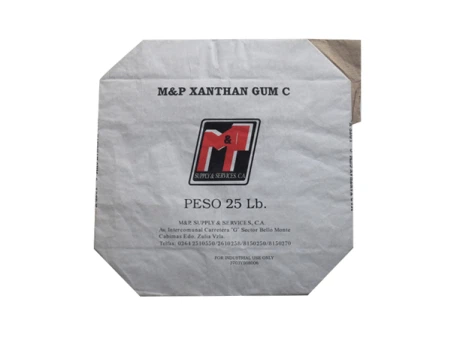

If you're in the market for reliable multi - layer kraft paper flat open bags or any of our other kraft paper packaging solutions, we invite you to contact us for a detailed discussion. Our team of experts is ready to help you find the perfect packaging solution for your specific needs.
References
- "Kraft Paper Packaging: Properties and Applications" - A technical report on kraft paper properties, including elasticity.
- "Advances in Packaging Materials: Elasticity and Performance" - A research paper on the latest developments in packaging material elasticity.
- Industry standards and guidelines related to the elasticity of kraft paper bags.