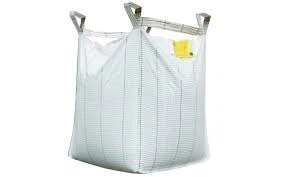
Hey there! I'm a supplier of Lined Paper - plastic Composite Packaging Bags. You know, these days, there's a huge push towards making everything more eco - friendly. And our lined paper - plastic composite packaging bags are no exception. So, let's chat about how we can make them more biodegradable.
First off, let's understand what lined paper - plastic composite packaging bags are. They're a combo of paper and plastic, which gives them the strength and durability of plastic while having the natural look and feel of paper. We have different types like the Paper - plastic Composite Tear - open Bag, the Paper - plastic Composite Square Bottom Flat Bag, and the Paper - plastic Composite Flat Valve Bag. These bags are used in various industries, from food to chemicals, because they can protect the contents well.
But the problem is, the plastic part in these bags often isn't biodegradable. It can stick around in the environment for ages, causing pollution. So, what can we do about it?
Using Biodegradable Plastics
One of the most obvious solutions is to swap out the non - biodegradable plastics with biodegradable ones. There are several types of biodegradable plastics on the market. For example, polylactic acid (PLA) is a popular choice. It's made from renewable resources like corn starch or sugarcane. When PLA is exposed to the right conditions, like in a composting facility, it can break down into water and carbon dioxide within a few months.
Another option is polyhydroxyalkanoates (PHA). These are produced by microorganisms and have similar properties to traditional plastics. They're also biodegradable in different environments, including soil and water. By using these biodegradable plastics in our lined paper - plastic composite packaging bags, we can significantly reduce their environmental impact.
Improving the Lamination Process
The way we laminate the paper and plastic together also matters. Traditional lamination methods often use adhesives that are not biodegradable. We can switch to using biodegradable adhesives. Some natural adhesives, like those made from plant gums or starches, can work just as well. They can hold the paper and plastic layers together securely, and when the bag is discarded, they'll break down along with the other components.
Also, we need to optimize the lamination process to use less plastic. By reducing the thickness of the plastic layer without sacrificing the bag's strength and functionality, we can decrease the overall amount of non - biodegradable material in the bag. This might involve using advanced coating techniques that can apply a thin, even layer of plastic onto the paper.
Designing for Easy Separation
When it comes to recycling or biodegradation, it's easier if the paper and plastic parts can be separated. We can design our lined paper - plastic composite packaging bags with this in mind. For example, we can create a perforated line or a special seal that makes it easy for consumers or waste management facilities to separate the paper from the plastic.
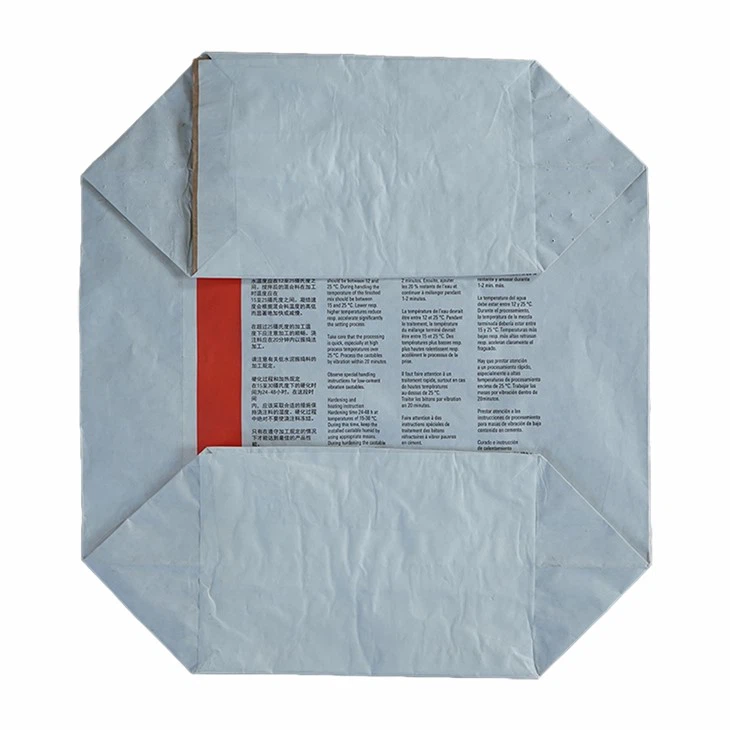

Once separated, the paper can be recycled in the regular paper recycling stream, and the biodegradable plastic can be sent to a composting facility. This not only helps with the biodegradation process but also increases the overall recyclability of the bag.
Educating Consumers
Consumers play a crucial role in making our bags more biodegradable. Many people don't know how to properly dispose of lined paper - plastic composite packaging bags. We need to provide clear instructions on the bags themselves. This could include information on whether the bag is biodegradable, how to separate the components if necessary, and where to recycle or compost them.
We can also run awareness campaigns to educate consumers about the importance of choosing biodegradable packaging. By getting them on board, we can ensure that our efforts to make the bags more eco - friendly actually pay off.
Collaborating with the Supply Chain
Making lined paper - plastic composite packaging bags more biodegradable isn't something we can do alone. We need to work with our suppliers to source better materials. This means finding suppliers who can provide high - quality biodegradable plastics and paper. We can also collaborate with waste management companies. They can help us understand the best ways to handle the bags at the end of their life cycle and ensure that they're properly recycled or composted.
Furthermore, we can partner with other companies in the industry. By sharing knowledge and resources, we can come up with more innovative solutions to make our packaging more sustainable.
Testing and Quality Control
Before we roll out any changes to our lined paper - plastic composite packaging bags, we need to conduct thorough testing. We need to make sure that the biodegradable materials and new processes meet the same quality and performance standards as our current products.
This includes testing the bag's strength, durability, and barrier properties. We also need to test the biodegradation rate of the new bags under different conditions. By doing this, we can ensure that we're not sacrificing quality for the sake of being more eco - friendly.
Monitoring the Impact
Once the more biodegradable lined paper - plastic composite packaging bags are on the market, we need to monitor their impact. This involves tracking the amount of waste generated, the recycling and composting rates, and the overall environmental footprint.
We can use this data to make further improvements. If we find that a certain type of biodegradable plastic isn't breaking down as quickly as expected, we can look for alternatives. Or if the separation process isn't working well for consumers, we can refine the bag's design.
In conclusion, making lined paper - plastic composite packaging bags more biodegradable is a complex but achievable goal. By using biodegradable plastics, improving the lamination process, designing for easy separation, educating consumers, collaborating with the supply chain, and conducting proper testing and monitoring, we can create packaging that's both functional and eco - friendly.
If you're interested in our lined paper - plastic composite packaging bags and want to know more about our efforts to make them more biodegradable, feel free to reach out. We're always open to discussing how we can meet your packaging needs while also being kind to the environment. Let's work together to create a more sustainable future!
References:
- "Biodegradable Polymers for Packaging Applications" - Journal of Polymer Science
- "Advances in Lamination Technology for Packaging Materials" - Packaging Technology and Science
- "Consumer Awareness and Behavior towards Biodegradable Packaging" - International Journal of Consumer Studies