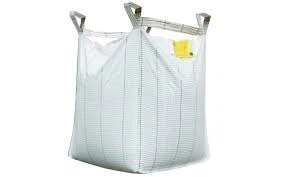
As a supplier of Anti - static Bulk Bags, I often receive inquiries from customers regarding the suitability of these bags in various environments, especially high - temperature settings. This blog aims to provide a comprehensive analysis of whether anti - static bulk bags can be used in high - temperature environments.
Understanding Anti - static Bulk Bags
Before delving into the high - temperature aspect, it's essential to understand what anti - static bulk bags are. Anti - static bulk bags, also known as FIBCs (Flexible Intermediate Bulk Containers), are designed to prevent the build - up of static electricity. Static electricity can pose significant risks, such as causing explosions or fires when handling flammable materials. These bags are commonly used in industries like chemicals, pharmaceuticals, and food processing. You can learn more about our Anti - static Bulk Bag on our website.
The Composition of Anti - static Bulk Bags
Anti - static bulk bags are typically made from polypropylene fabric, which is treated with anti - static agents. The fabric is woven to form a strong and durable container that can hold large quantities of materials. The anti - static agents work by dissipating static charges, preventing them from accumulating on the surface of the bag.
High - Temperature Effects on Anti - static Bulk Bags
Material Degradation
One of the primary concerns when using anti - static bulk bags in high - temperature environments is material degradation. Polypropylene, the main material of these bags, has a relatively low melting point, usually around 160 - 170°C. When exposed to temperatures close to or above this range, the polypropylene fabric can start to soften, lose its strength, and even melt. This can compromise the integrity of the bag, leading to potential leaks or structural failures.
Impact on Anti - static Properties
The anti - static agents used in the bags may also be affected by high temperatures. Some anti - static treatments are designed to work within a specific temperature range. When exposed to high temperatures, these agents may break down or lose their effectiveness. As a result, the bag may no longer be able to dissipate static charges effectively, increasing the risk of static - related incidents.
Thermal Expansion
Another factor to consider is thermal expansion. When the bag is exposed to high temperatures, the polypropylene fabric will expand. If the bag is filled to its maximum capacity, this expansion can cause excessive stress on the seams and the overall structure of the bag. Over time, this can lead to seam failures or the bag bursting open.
Safe Temperature Ranges for Anti - static Bulk Bags
In general, most anti - static bulk bags are designed to be used in temperatures ranging from - 20°C to 80°C. Within this temperature range, the bag can maintain its structural integrity and anti - static properties. However, it's important to note that this is a general guideline, and the actual safe temperature range may vary depending on the specific type of anti - static treatment and the quality of the polypropylene fabric used.
Special Considerations for High - Temperature Use
If you need to use anti - static bulk bags in high - temperature environments, there are several special considerations to keep in mind.
Selecting the Right Bag
First, you need to select a bag that is specifically designed for high - temperature use. Some manufacturers offer bags made from high - temperature - resistant polypropylene or with special anti - static treatments that can withstand higher temperatures. You can find more information about our Anti - static Bulk Bag Factory to see if we have the right product for your needs.
Monitoring the Temperature
It's crucial to monitor the temperature of the environment where the bags are being used. You can use temperature sensors to ensure that the temperature does not exceed the safe range for the bags. If the temperature starts to approach the upper limit, you may need to take immediate action, such as relocating the bags or providing additional cooling.
Limiting the Exposure Time
Even if the bags are designed for high - temperature use, it's still advisable to limit their exposure time to high temperatures. Prolonged exposure can still cause gradual degradation of the bag's materials and anti - static properties. Try to minimize the time the bags spend in high - temperature environments to extend their lifespan.
Case Studies
Let's look at some real - world case studies to understand the practical implications of using anti - static bulk bags in high - temperature environments.
Chemical Industry
In a chemical plant, anti - static bulk bags were used to store and transport a certain chemical product. The storage area had a relatively high temperature due to the nearby industrial processes. After a few months of use, the bags started to show signs of material degradation. The seams became weaker, and the anti - static properties were reduced. As a result, the plant had to switch to a different type of bag that was more suitable for high - temperature use.
Food Processing Industry
In a food processing facility, anti - static bulk bags were used to transport food ingredients. During the transportation process, the bags were exposed to high temperatures inside the delivery trucks. Some of the bags experienced thermal expansion, which caused the contents to spill out. After implementing temperature - monitoring systems and using bags designed for high - temperature use, the problem was resolved.
Conclusion
In conclusion, while anti - static bulk bags are a versatile and useful solution for many industries, their use in high - temperature environments requires careful consideration. The high temperatures can cause material degradation, affect the anti - static properties, and lead to thermal expansion issues. However, with the right selection of bags, proper temperature monitoring, and limiting the exposure time, it is possible to use anti - static bulk bags safely in high - temperature environments.


If you are interested in our Anti - static Bulk Bags or have any questions regarding their use in high - temperature environments, please feel free to contact us for more information and to discuss your specific requirements. We are always ready to assist you in finding the best solution for your needs.
References
- "Handbook of Flexible Packaging Technology" by Wilmer A. Jenkins and James P. Harrington.
- "Polypropylene: Structure, Blends and Composites" by S. Fakirov.
- Industry reports on the use of anti - static bulk bags in different environments.