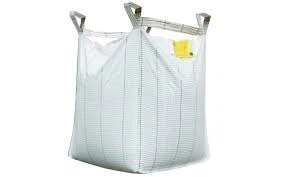
As a supplier of Paper-plastic Composite Printed Bags, I understand the critical importance of safe transportation. These bags, which combine the strength of paper and the durability of plastic, are widely used in various industries for packaging different products. Ensuring their safe transit from our facility to your location is not only our responsibility but also crucial for maintaining the quality of the bags and the products they carry. In this blog, I will share some key strategies and considerations for transporting Paper-plastic Composite Printed Bags safely.
Understanding the Characteristics of Paper-plastic Composite Printed Bags
Before delving into transportation methods, it's essential to understand the unique characteristics of these bags. Paper-plastic composite printed bags are made by laminating paper layers with plastic films. This combination provides excellent barrier properties against moisture, oxygen, and light, which helps to preserve the quality of the packaged products. However, they are also susceptible to damage from rough handling, sharp objects, and extreme environmental conditions.
Pre - transportation Preparation
- Proper Packaging of the Bags Themselves
- We always stack the Paper - plastic Composite Printed Bags neatly and securely. For example, we use pallets to group the bags together. This not only makes it easier to load and unload but also provides a stable base during transportation. We also use stretch wrap to hold the bags firmly on the pallets, preventing them from shifting during transit.
- When packaging, we ensure that the printed side of the bags is protected. We may use additional padding materials such as foam sheets or cardboard inserts to prevent scratches and abrasions on the printed surface.
- Quality Inspection
- Before shipping, a thorough quality inspection is carried out. We check for any signs of damage, such as torn edges, holes, or delamination of the paper - plastic layers. Any defective bags are removed from the shipment to avoid potential issues during transportation and for the end - user.
- Documentation
- Accurate documentation is crucial. We provide detailed packing lists that include information such as the quantity of bags, bag dimensions, and product specifications. This helps the transportation company and the recipient to verify the contents of the shipment easily.
Choosing the Right Transportation Mode
- Road Transportation
- Road transportation is a common choice for local and regional deliveries. It offers flexibility in terms of pick - up and delivery locations. When using trucks, we ensure that the vehicle is clean and free of any sharp objects that could damage the bags.
- For long - distance road trips, climate - controlled trucks may be used, especially if the destination has extreme temperature or humidity conditions. This helps to prevent the bags from warping or the printed ink from fading due to environmental factors.
- Rail Transportation
- Rail transportation is suitable for large - volume shipments over long distances. The stability of rail cars can be an advantage for transporting Paper - plastic Composite Printed Bags. However, we need to pay attention to the loading and unloading process. Specialized equipment is used to handle the pallets carefully to avoid dropping or jolting the bags.
- Sea Transportation
- For international shipments, sea transportation is often the most cost - effective option. When shipping by sea, the bags are loaded into shipping containers. We make sure the containers are properly sealed to prevent moisture ingress. Additionally, the bags are secured inside the container to prevent movement during the rough sea journey.
Handling During Transportation
- Loading and Unloading
- Trained personnel are responsible for loading and unloading the Paper - plastic Composite Printed Bags. They use appropriate equipment such as forklifts to handle the pallets gently. During the process, they are careful not to stack the pallets too high, which could cause instability and potential damage to the bags at the bottom.
- When unloading, the bags are checked again for any visible signs of damage. If any issues are detected, they are documented immediately for further investigation.
- In - transit Protection
- During transportation, the bags should be protected from external factors. For example, if the truck or container is exposed to direct sunlight for an extended period, it can cause the plastic layer in the bags to heat up and potentially deform. We may use tarps or insulated covers to shield the bags from sunlight and extreme weather conditions.
Environmental Considerations
- Temperature and Humidity
- Paper - plastic Composite Printed Bags can be affected by temperature and humidity changes. High humidity can cause the paper layer to absorb moisture, leading to weakening of the bag structure. Low temperatures can make the plastic layer brittle. Therefore, we try to maintain a stable temperature and humidity range during transportation. In some cases, we use climate - controlled containers or vehicles to achieve this.
- Chemical Exposure
- The bags should be kept away from chemicals during transportation. For example, if the transportation vehicle has previously carried chemical substances, it must be thoroughly cleaned before loading the Paper - plastic Composite Printed Bags. Chemical exposure can cause discoloration, degradation of the materials, and damage to the printed graphics.
Types of Paper - plastic Composite Printed Bags and Their Specific Transportation Considerations
- Paper - plastic Composite Flat Valve Bag
- The flat valve design of these bags requires special attention during transportation. The valve should be protected to prevent blockages. We ensure that the bags are not compressed in a way that could deform the valve. You can find more information about Paper - plastic Composite Flat Valve Bag on our website.
- Paper - plastic Composite M - fold Valve Bag
- The M - fold structure gives these bags more flexibility but also makes them more prone to creasing if not handled properly. During transportation, we stack them in a way that minimizes pressure on the folds. For more details on Paper - plastic Composite M - fold Valve Bag, visit our product page.
- Paper - plastic Composite Flat Open Bag
- These bags are often used for products that need easy access. However, their open - top design makes them more vulnerable to dust and debris during transportation. We cover them with protective sheets to keep them clean. To learn more about Paper - plastic Composite Flat Open Bag, please check our website.
Post - transportation Follow - up
- Communication with the Recipient
- After the shipment is expected to arrive, we contact the recipient to confirm the receipt of the Paper - plastic Composite Printed Bags. We ask for feedback on the condition of the bags upon arrival. If there are any issues, we work with the recipient and the transportation company to resolve them promptly.
- Analysis of Transportation Performance
- We analyze the transportation process for each shipment. We look at factors such as the time of delivery, the condition of the bags upon arrival, and any incidents that occurred during transportation. This helps us to continuously improve our transportation methods and ensure better safety for future shipments.
Conclusion
Transporting Paper - plastic Composite Printed Bags safely requires a comprehensive approach that includes pre - transportation preparation, choosing the right transportation mode, proper handling during transit, and post - transportation follow - up. By following these strategies, we can ensure that the bags reach our customers in excellent condition.


If you are interested in purchasing our Paper - plastic Composite Printed Bags, we invite you to contact us for procurement negotiations. We are committed to providing high - quality products and reliable transportation services to meet your packaging needs.
References
- Packaging and Transportation Industry Standards Manual
- Research on the Impact of Environmental Factors on Paper - plastic Composite Materials