Do Bottom Lift Bulk Bags have a specific loading pattern?
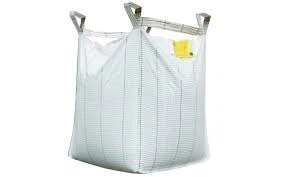
As a supplier of Bottom Lift Bulk Bags, I often get asked about the loading patterns for these specialized containers. Bottom Lift Bulk Bags, also known as bottom discharge bulk bags, are designed to offer efficient and controlled unloading of bulk materials. But does this design necessity dictate a specific loading pattern? Let's delve into the details.
Understanding Bottom Lift Bulk Bags
First, let's briefly understand what Bottom Lift Bulk Bags are. These bags are engineered to be lifted and unloaded from the bottom. They are commonly used in various industries such as agriculture, construction, and chemical manufacturing for transporting and storing granular, powdered, or other bulk materials. You can find more information about our Bottom Lift Bulk Bag offering on our website.
In contrast, Top Lift Bulk Bag are lifted from the top and are typically unloaded through a spout at the bottom or by cutting the bag open. The key difference between the two lies in the lifting mechanism, which can have implications for both loading and unloading processes.
Loading Patterns: General Considerations
When it comes to loading Bottom Lift Bulk Bags, there isn't a one - size - fits - all answer. However, there are some general principles that can guide the process to ensure safety, efficiency, and proper bag performance.
Uniform Distribution
One of the most important aspects of loading any bulk bag is achieving a uniform distribution of the material inside the bag. This is especially crucial for Bottom Lift Bulk Bags because an uneven load can cause stress concentrations on the bag's structure, potentially leading to premature failure during lifting or unloading. When the material is evenly distributed, the weight is spread across the entire bag, reducing the risk of tearing or rupture.
For example, if you are loading a Bottom Lift Bulk Bag with sand, it's advisable to use a conveyor system or a hopper that can deposit the sand in a way that it fills the bag evenly from the center outwards. This can be achieved by adjusting the flow rate of the material and the position of the loading equipment.
Avoiding Overloading
Overloading is a common problem in bulk bag operations. Each Bottom Lift Bulk Bag has a specified maximum load capacity, which is determined by factors such as the bag's size, material strength, and design. Exceeding this capacity can not only damage the bag but also pose a significant safety hazard.
Before loading, it's essential to know the exact weight of the material being loaded and ensure that it does not exceed the bag's rated capacity. This can be done by using weighing scales or by calculating the volume of the material and its density.
Loading from the Top
In most cases, Bottom Lift Bulk Bags are loaded from the top. This is because it is the most practical and efficient way to fill the bag. However, the method of top - loading can vary depending on the type of material and the available equipment.
For dry, free - flowing materials like grains or pellets, a simple chute or a funnel can be used to direct the material into the bag. For more viscous or sticky materials, such as wet cement or some types of chemicals, special loading equipment may be required to ensure that the material is evenly distributed and does not clog the loading opening.
Specific Loading Patterns for Different Materials
Granular Materials
Granular materials like gravel, sand, or salt are relatively easy to load. A common loading pattern for these materials is to start filling the bag from the center and gradually move the loading point in a circular motion around the center. This helps to create a cone - shaped pile of material inside the bag, which then settles evenly as more material is added.
Once the bag is about half - full, it can be beneficial to vibrate the bag slightly to help the material settle and eliminate any air pockets. This can improve the density of the load and ensure a more stable bag.
Powdery Materials
Powdery materials, such as flour, cement, or powdered chemicals, require a different approach. These materials tend to be more prone to bridging and clogging, so it's important to use a loading system that can break up any clumps and ensure a smooth flow of the material.
A fluidized loading system can be very effective for powdery materials. This system uses air or another gas to fluidize the powder, making it flow more easily into the bag. Additionally, using a bag with an anti - static liner can help prevent the powder from sticking to the bag's walls, ensuring a more even load.
Liquid Materials
Although less common, Bottom Lift Bulk Bags can also be used to transport liquid materials. Loading liquid materials requires a completely different set of considerations.
First, the bag must be specifically designed to hold liquids, with a liner that is impermeable to the liquid. The loading process should be done slowly and carefully to avoid splashing and to ensure that the liquid is evenly distributed inside the bag. It's also important to leave some headspace in the bag to allow for expansion of the liquid due to temperature changes.
Impact of Loading Patterns on Unloading
The loading pattern can have a significant impact on the unloading process of Bottom Lift Bulk Bags. A well - loaded bag will unload more smoothly and efficiently.
If the material is evenly distributed during loading, it will flow more easily through the bottom discharge opening. On the other hand, an unevenly loaded bag may cause the material to clog or jam in the discharge spout, leading to delays and potential damage to the bag.
For example, if a Bottom Lift Bulk Bag is loaded with a large amount of material at one side, the weight distribution will be off - balance. During unloading, this can cause the bag to tilt, making it difficult for the material to flow out properly.
Conclusion
In conclusion, while there isn't a single, specific loading pattern for Bottom Lift Bulk Bags, there are general principles and best practices that should be followed. Uniform distribution, avoiding overloading, and using appropriate loading methods for different materials are key to ensuring the safe and efficient use of these bags.


Whether you are in the agriculture, construction, or chemical industry, choosing the right loading pattern can improve the performance of your Bottom Lift Bulk Bags, reduce the risk of damage, and enhance overall operational efficiency.
If you are interested in learning more about our Bottom Lift Bulk Bags or have any questions regarding loading and unloading patterns, we invite you to contact us for a detailed discussion. We are committed to providing high - quality bulk bag solutions and expert advice to meet your specific needs.
References
- "Bulk Bag Handbook: A Guide to Flexible Intermediate Bulk Containers" - Various industry experts' contributions
- Technical manuals provided by bulk bag manufacturers
- Safety standards and guidelines from relevant industry associations