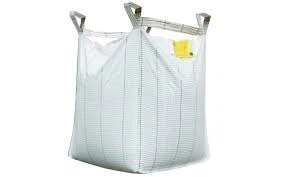
As a supplier of Food Grade Bulk Bags, I often receive inquiries about the suitability of our products for various storage needs, including the storage of meat products. This blog post aims to delve into the topic and provide a comprehensive answer to the question: Can food grade bulk bags be used for storing meat products?
Understanding Food Grade Bulk Bags
Food grade bulk bags, also known as FIBCs (Flexible Intermediate Bulk Containers), are specifically designed to meet strict food safety standards. These bags are made from materials that are safe for direct contact with food products, ensuring that they do not contaminate the contents. The manufacturing process of food grade bulk bags adheres to regulations and guidelines set by food safety authorities, such as the Food and Drug Administration (FDA) in the United States.
The materials used in food grade bulk bags are typically polyethylene or polypropylene, which are known for their durability, flexibility, and resistance to moisture and chemicals. These materials are also non-toxic and do not leach harmful substances into the food. Additionally, food grade bulk bags are often treated with anti-static agents to prevent the buildup of static electricity, which can attract dust and other contaminants.
Factors to Consider When Storing Meat Products
Meat products are highly perishable and require specific storage conditions to maintain their quality and safety. When considering using food grade bulk bags for storing meat products, several factors need to be taken into account:


- Temperature Control: Meat products should be stored at low temperatures to slow down the growth of bacteria and other microorganisms. Food grade bulk bags are not designed to provide insulation, so they are not suitable for long-term storage of meat products at room temperature. However, they can be used in conjunction with refrigeration or freezing equipment to store meat products at the appropriate temperature.
- Moisture Control: Meat products contain a significant amount of moisture, which can lead to the growth of mold and bacteria if not properly controlled. Food grade bulk bags are typically made from materials that are resistant to moisture, but they may not be completely waterproof. To prevent moisture from entering the bag, it is important to use a liner or other protective barrier.
- Oxygen Control: Oxygen can cause meat products to spoil and develop an off-flavor. Food grade bulk bags are not airtight, so they do not provide a complete barrier against oxygen. To reduce the amount of oxygen in the bag, it is recommended to use a vacuum sealer or other oxygen removal method.
- Contamination Control: Meat products are susceptible to contamination from bacteria, viruses, and other microorganisms. Food grade bulk bags are designed to be clean and free from contaminants, but they can still become contaminated if not handled properly. To prevent contamination, it is important to follow good hygiene practices when handling and storing meat products.
Advantages of Using Food Grade Bulk Bags for Storing Meat Products
Despite the challenges associated with storing meat products, there are several advantages to using food grade bulk bags:
- Cost-Effective: Food grade bulk bags are a cost-effective alternative to traditional packaging materials, such as plastic containers and metal cans. They are also reusable, which can further reduce costs.
- Space-Saving: Food grade bulk bags are designed to be compact and lightweight, which makes them easy to store and transport. They can also be stacked, which maximizes storage space.
- Versatile: Food grade bulk bags can be used for a variety of meat products, including fresh meat, frozen meat, and processed meat. They can also be used for different types of storage applications, such as short-term storage, long-term storage, and transportation.
- Customizable: Food grade bulk bags can be customized to meet the specific needs of your business. They can be printed with your company logo, product information, and other branding elements, which can help to increase brand awareness and promote your products.
Disadvantages of Using Food Grade Bulk Bags for Storing Meat Products
While there are several advantages to using food grade bulk bags for storing meat products, there are also some disadvantages:
- Limited Shelf Life: Meat products have a limited shelf life, even when stored at the appropriate temperature. Food grade bulk bags do not provide a complete barrier against oxygen, moisture, and other contaminants, which can shorten the shelf life of meat products.
- Risk of Contamination: Meat products are susceptible to contamination from bacteria, viruses, and other microorganisms. Food grade bulk bags can become contaminated if not handled properly, which can pose a risk to human health.
- Lack of Insulation: Food grade bulk bags are not designed to provide insulation, so they are not suitable for long-term storage of meat products at room temperature. They need to be used in conjunction with refrigeration or freezing equipment to maintain the appropriate temperature.
- Difficulty in Handling: Food grade bulk bags can be heavy and bulky, especially when filled with meat products. They may require special handling equipment, such as forklifts or pallet jacks, to move and transport.
Conclusion
In conclusion, food grade bulk bags can be used for storing meat products, but they need to be used in conjunction with proper storage conditions and handling practices. When using food grade bulk bags for storing meat products, it is important to consider factors such as temperature control, moisture control, oxygen control, and contamination control. While there are several advantages to using food grade bulk bags, there are also some disadvantages, such as limited shelf life, risk of contamination, lack of insulation, and difficulty in handling.
If you are considering using food grade bulk bags for storing meat products, I recommend consulting with a food safety expert or a professional in the meat industry. They can provide you with more information and guidance on the best practices for storing meat products in food grade bulk bags.
If you are interested in purchasing food grade bulk bags for your meat storage needs, please feel free to contact us. We are a leading supplier of food grade bulk bags and can provide you with high-quality products at competitive prices. We also offer a range of Conductive Bulk Bag and Anti-static Bulk Bag to meet your specific requirements. You can also visit our website to learn more about our Conductive Bulk Bag and other products.
References
- "Food Grade Bulk Bags: A Guide to Safe and Effective Use." Food Safety Magazine.
- "Meat Storage Guidelines." USDA Food Safety and Inspection Service.
- "Flexible Intermediate Bulk Containers (FIBCs): Design, Testing, and Application." American Society of Mechanical Engineers (ASME).