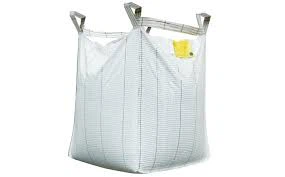
As a supplier of Multi - layer Kraft Paper M - fold Open Bags, I often get asked about the tensile strength of these bags. Tensile strength is a crucial factor when it comes to the performance and durability of packaging materials, especially for products that need to withstand a certain amount of stress during handling, storage, and transportation. In this blog, I'll delve into what the tensile strength of Multi - layer Kraft Paper M - fold Open Bags is, why it matters, and how it can impact your packaging needs.
Understanding Tensile Strength
Tensile strength refers to the maximum amount of tensile (pulling) stress that a material can withstand before breaking or failing. In the context of Multi - layer Kraft Paper M - fold Open Bags, it determines how much weight or force the bag can handle without tearing or splitting. This is measured in units such as pounds per square inch (psi) or newtons per square millimeter (N/mm²).
The tensile strength of a Multi - layer Kraft Paper M - fold Open Bag is influenced by several factors. The quality and type of kraft paper used are fundamental. Kraft paper is known for its high strength and durability, which comes from the chemical pulping process that retains the natural strength of the wood fibers. Higher - grade kraft paper generally has better tensile properties.
The number of layers in the bag also plays a significant role. Multi - layer construction adds to the overall strength of the bag. Each layer contributes to distributing the stress evenly across the surface of the bag, enhancing its ability to resist tearing. For example, a two - layer bag will typically have higher tensile strength than a single - layer bag of the same paper quality.
Importance of Tensile Strength in Multi - layer Kraft Paper M - fold Open Bags
In the packaging industry, the tensile strength of a bag directly affects its functionality and reliability. When products are packed into Multi - layer Kraft Paper M - fold Open Bags, they are subjected to various forces. During filling, the bag may experience pressure from the weight of the product being loaded. In transit, it can be jostled, stacked, and even dropped, all of which put stress on the bag.
If the tensile strength of the bag is too low, there is a high risk of the bag tearing or breaking open. This not only leads to product loss but also can cause safety hazards in the workplace. For instance, if a bag of heavy - duty industrial products like sand or cement tears during handling, it can create a mess and potentially injure workers.
On the other hand, a bag with appropriate tensile strength ensures that the product remains securely packaged throughout its journey from the manufacturer to the end - user. It provides peace of mind for both the supplier and the customer, knowing that the product will arrive in good condition.
Measuring the Tensile Strength of Multi - layer Kraft Paper M - fold Open Bags
To accurately measure the tensile strength of these bags, specialized testing equipment is used. One common method is the strip test, where a sample of the bag material is cut into a strip of a specific width and length. The strip is then placed in a tensile testing machine, which gradually applies a pulling force until the strip breaks. The maximum force applied before breakage is recorded as the tensile strength of the sample.
Another approach is the bursting strength test. In this test, a circular sample of the bag material is clamped between two plates, and a hydraulic or pneumatic force is applied to the center of the sample until it bursts. The pressure at which the sample bursts is an indication of the bag's ability to withstand internal pressure, which is related to its overall strength.
Applications and Tensile Strength Requirements
The required tensile strength of Multi - layer Kraft Paper M - fold Open Bags varies depending on the application. For light - duty products such as grains, flour, or small parts, a bag with relatively lower tensile strength may be sufficient. These products are typically not as heavy and do not exert as much stress on the bag.


However, for heavy - duty applications like packaging construction materials, chemicals, or industrial products, a bag with high tensile strength is essential. For example, when packaging large quantities of gravel or fertilizers, the bag needs to be able to handle the weight and the pressure exerted during stacking and transportation.
Our Offerings and Tensile Strength
As a supplier, we offer a range of Multi - layer Kraft Paper M - fold Open Bags with different tensile strength specifications to meet the diverse needs of our customers. We carefully select the kraft paper and the number of layers for each bag design to ensure optimal strength and performance.
We also provide Lined Multi - layer Kraft Paper Packaging Bag, which offers additional protection and can enhance the overall strength of the packaging. The lining can act as an extra barrier against moisture, chemicals, and other external factors that could potentially weaken the bag.
Our Multi - layer Kraft Paper Crepe Paper Sewn Bottom Bag is another option with excellent tensile strength. The sewn bottom provides added reinforcement, making it suitable for heavy - duty applications.
For customers who require a bag with a specific opening mechanism, our Multi - layer Kraft Paper Flat Valve Bag is a great choice. It combines the strength of multi - layer kraft paper with the convenience of a flat valve for easy filling.
Contact Us for Your Packaging Needs
If you are in the market for Multi - layer Kraft Paper M - fold Open Bags or any of our other packaging solutions, we invite you to contact us. We have a team of experts who can help you determine the right tensile strength and bag design for your specific product and application. Whether you need a small quantity for a trial run or a large - scale order for mass production, we are committed to providing high - quality bags that meet your requirements.
References
- "Handbook of Paper and Paperboard Packaging Technology" by George A. Smook.
- ASTM International standards related to paper and packaging testing, such as ASTM D828 for tensile strength testing of paper.
- Technical literature from kraft paper manufacturers on the properties and performance of their products.