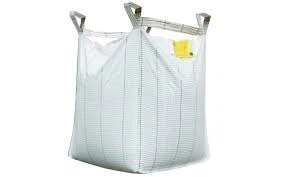
As a seasoned supplier of Lined Paper - plastic Composite Packaging Bags, I understand the paramount importance of quality control during production. In this blog, I'll share some practical insights and strategies on how to ensure the high - quality production of these packaging bags.
1. Raw Material Inspection
The quality of lined paper - plastic composite packaging bags starts with the raw materials. We need to be extremely strict when it comes to sourcing and inspecting these materials.
Paper Quality
The paper used in the composite packaging should have appropriate strength, smoothness, and printability. We should work closely with reliable paper suppliers. When the paper arrives at our production facility, a series of tests should be conducted. For example, we can measure the paper's grammage, which is the weight per unit area. A consistent grammage ensures uniform thickness and strength across the packaging bags. We can also perform tensile strength tests to check if the paper can withstand the stress during the packaging process and subsequent handling.
Plastic Film Quality
The plastic film component plays a crucial role in providing barrier properties such as moisture resistance and airtightness. We need to inspect the plastic film for its thickness, transparency, and chemical composition. Thickness variations can lead to inconsistent barrier performance. Transparency is important as it affects the overall appearance of the packaging bag, especially if there are printed elements on it. Chemical analysis can help us ensure that the plastic film meets the relevant food - contact or other industry - specific safety standards.
Adhesive Quality
The adhesive used to bond the paper and the plastic film is another key factor. It should have strong bonding strength to prevent delamination. We can conduct peel strength tests to measure how well the adhesive holds the two materials together. The adhesive should also be resistant to environmental factors such as temperature and humidity. If the adhesive is not of good quality, it may lose its bonding ability over time, especially in harsh storage or transportation conditions.
2. Production Process Monitoring
Lamination Process
The lamination process is where the paper and the plastic film are bonded together. Temperature, pressure, and speed are the three critical parameters that need to be closely monitored. If the temperature is too low, the adhesive may not melt properly, resulting in poor bonding. On the other hand, if the temperature is too high, it may damage the paper or the plastic film. Pressure should be evenly distributed across the entire surface to ensure a uniform bond. The speed of the lamination machine affects the production efficiency, but it also needs to be coordinated with the temperature and pressure settings. For example, if the speed is too fast, the adhesive may not have enough time to form a strong bond.
We can install sensors in the lamination machine to continuously monitor these parameters. Real - time data can be collected and analyzed to make immediate adjustments if any deviations are detected.
Printing Process
If the packaging bags are to be printed, the printing process requires careful control. Color accuracy is of utmost importance. We can use color management systems to ensure that the printed colors match the customer's specifications. Registration accuracy is also crucial, especially for multi - color prints. Misaligned prints can make the packaging bags look unprofessional and may even affect the readability of important information such as product labels.
The ink used in the printing process should be of high quality. It should be fast - drying, fade - resistant, and non - toxic. We can perform ink adhesion tests to check if the ink sticks firmly to the surface of the packaging bag.
Bag - Making Process
During the bag - making process, the cut - off length, seal strength, and shape of the bags need to be monitored. The cut - off length should be accurate to ensure that all the bags have the same size. Seal strength is essential for maintaining the integrity of the packaging. Weak seals can lead to product leakage, which is a major quality issue. We can use seal strength testers to measure the force required to break the seal.
The shape of the bags, whether it is a Paper - plastic Composite Printed Bag, Paper - plastic Composite Flat Valve Bag, or Paper - plastic Composite Square Bottom M - fold Bag, should conform to the design specifications. Any irregularities in the shape can cause problems during filling and stacking.
3. In - process Quality Checks
Visual Inspection
Visual inspection is a simple yet effective way to detect obvious defects. Trained operators should visually check the packaging bags at regular intervals during the production process. They can look for defects such as scratches, wrinkles, air bubbles, and printing errors. Any defective bags should be immediately removed from the production line to prevent them from being included in the final product batch.
Random Sampling and Testing
In addition to visual inspection, we should also conduct random sampling and testing. We can select a certain number of bags from different production batches and perform a series of tests. For example, we can test the moisture content of the bags to ensure that they meet the required moisture - resistance standards. We can also test the puncture resistance of the bags to check if they can withstand sharp objects during handling.


4. Quality Control at the Final Stage
Final Inspection
Before the packaging bags are shipped to the customers, a final inspection should be carried out. This inspection should cover all aspects of the bags, including appearance, dimensions, and performance. We can use automated inspection systems to speed up the process and ensure more accurate results. The final inspection is the last chance to catch any quality issues before the products leave our facility.
Batch - to - Batch Consistency
We need to ensure that there is consistency between different production batches. This can be achieved by maintaining detailed production records. By comparing the production parameters, test results, and quality control data of different batches, we can identify any trends or potential problems. If there are significant differences between batches, we need to investigate the root causes and take corrective actions.
5. Employee Training
Well - trained employees are the key to successful quality control. All employees involved in the production process, from machine operators to quality inspectors, should receive regular training.
Technical Training
Machine operators should be trained on how to operate the production equipment correctly. They should understand the importance of following the production parameters and be able to make minor adjustments when necessary. Quality inspectors need to be trained on the inspection methods and standards. They should be able to accurately identify defects and make decisions on whether a product meets the quality requirements.
Quality Awareness Training
In addition to technical training, we should also provide quality awareness training to all employees. They need to understand that quality is not just the responsibility of the quality control department but of every individual in the company. By creating a quality - conscious culture, employees will be more motivated to pay attention to details and take proactive measures to ensure high - quality production.
Conclusion
Controlling the quality of lined paper - plastic composite packaging bags during production is a comprehensive process that involves raw material inspection, production process monitoring, in - process quality checks, final inspection, and employee training. By implementing strict quality control measures at every stage of the production process, we can ensure that our packaging bags meet the high - quality standards expected by our customers.
If you are interested in our lined paper - plastic composite packaging bags and would like to discuss your specific requirements, we welcome you to reach out to us for procurement and negotiation. We are committed to providing you with high - quality products and excellent service.
References
- Packaging Technology Handbook.
- Industry standards on paper - plastic composite packaging bags.
- Research papers on packaging material quality control.