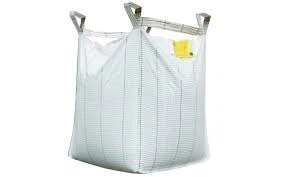
Hey there! I'm a supplier of Lined Paper - plastic Composite Packaging Bags. Over the years, I've received tons of feedback from customers about the durability of these bags. It's a hot - button issue, and I totally get it. No one wants their products to spill out or the bags to tear during transit. So, I'm gonna share some tips on how to improve the durability of lined paper - plastic composite packaging bags.
1. Choose High - Quality Raw Materials
The first and most crucial step is to start with top - notch raw materials. For the paper part, we should opt for high - strength kraft paper. Kraft paper is known for its excellent tear resistance and toughness. It's made from wood pulp that undergoes a chemical pulping process, which gives it long fibers. These long fibers are what make the paper strong.
When it comes to the plastic lining, we need to use high - density polyethylene (HDPE) or low - density polyethylene (LDPE) depending on the application. HDPE is more rigid and has better puncture resistance, while LDPE is more flexible. We can also consider using multi - layer plastic films. For example, a three - layer film can offer better protection than a single - layer one. The outer layer can be designed for abrasion resistance, the middle layer for moisture barrier, and the inner layer for product compatibility.
2. Optimize the Lamination Process
The lamination process is where the paper and the plastic are bonded together. This step is super important for the overall durability of the bag. First, we need to make sure that the surface of the paper and the plastic is clean and free of dust and grease. Any contaminants can reduce the bonding strength.

We can use different lamination methods, such as extrusion lamination or adhesive lamination. Extrusion lamination involves melting the plastic and then pressing it onto the paper. This method creates a strong bond and is suitable for high - volume production. Adhesive lamination, on the other hand, uses an adhesive to bond the paper and the plastic. It allows for more flexibility in terms of the types of paper and plastic that can be used.
During the lamination process, we also need to control the temperature, pressure, and speed. If the temperature is too low, the bond may not be strong enough. If it's too high, it can damage the paper or the plastic. The pressure should be evenly distributed to ensure a uniform bond. And the speed should be adjusted according to the type of materials and the lamination method.
3. Reinforce the Seams and Edges
The seams and edges of the packaging bag are often the weakest points. To improve the durability, we can reinforce them. One way is to use double - stitching on the seams. Double - stitching adds an extra layer of strength and reduces the risk of the seams coming apart.
We can also apply edge protectors. These can be made of plastic or metal and are attached to the edges of the bag. Edge protectors prevent the edges from fraying and also protect the bag from sharp objects during handling and storage.
Another option is to use heat - sealing techniques. Heat - sealing creates a strong, air - tight bond at the seams. It's especially useful for bags that need to be moisture - proof or air - tight.
4. Design for the Product
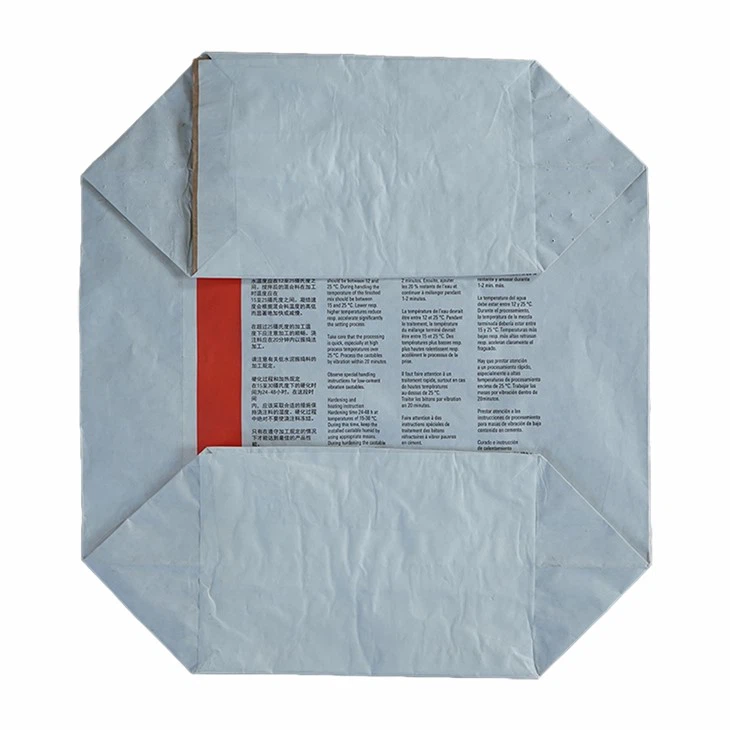
The design of the packaging bag should be tailored to the product it's going to hold. If the product is heavy or has sharp edges, the bag needs to be more robust. For example, if we're packaging construction materials like cement or sand, we can use a Paper - plastic Composite Flat Valve Bag. These bags are designed with a flat valve that makes filling easy and also provides a good seal.
If the product is a granular or powdery substance, a Paper - plastic Composite Square Bottom Flat Bag might be a better choice. The square bottom design provides stability and makes the bag easier to stack.
For products that need to be easily accessible, a Paper - plastic Composite Flat Open Bag is a great option. The open - top design allows for quick loading and unloading.
5. Test and Quality Control
Before mass - producing the packaging bags, we need to conduct thorough testing. Tensile strength tests can measure how much force the bag can withstand before tearing. Puncture resistance tests can determine how well the bag can resist sharp objects. We can also perform drop tests to see how the bag holds up when dropped from a certain height.
Quality control should be in place throughout the production process. We need to check the raw materials, the lamination quality, the seam strength, and the overall appearance of the bags. Any defective bags should be removed from the production line immediately.
6. Consider Environmental Factors
The environment where the bags will be used and stored can also affect their durability. If the bags are going to be exposed to high humidity, we need to make sure that the plastic lining has a good moisture - barrier property. We can also add anti - mold agents to the paper or the plastic to prevent mold growth.
If the bags are going to be used in a cold environment, we need to choose materials that are resistant to low temperatures. Some plastics can become brittle in cold weather, so we need to select ones that remain flexible.
Contact for Purchase and Negotiation
If you're looking for high - quality lined paper - plastic composite packaging bags with excellent durability, I'd love to have a chat with you. Whether you need Paper - plastic Composite Flat Valve Bag, Paper - plastic Composite Square Bottom Flat Bag, or Paper - plastic Composite Flat Open Bag, I can provide you with customized solutions. Let's work together to find the best packaging solution for your products!
References
- "Packaging Materials and Technology" by John A. Robertson
- "Handbook of Plastic Films" by Sachin S. Deshmukh
- Industry reports on paper - plastic composite packaging bags