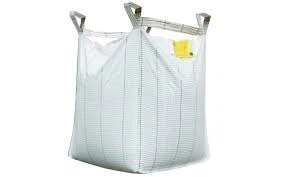
As a supplier of Multi-layer Kraft Paper M-fold Open Bags, I've witnessed firsthand the growing demand for these versatile packaging solutions. They are widely used across various industries, from food to chemicals, due to their strength, durability, and eco-friendly nature. However, it's essential to understand the environmental impact associated with their production. In this blog post, I'll delve into the environmental aspects of producing Multi-layer Kraft Paper M-fold Open Bags and explore how we can mitigate their ecological footprint.
Raw Material Sourcing
The primary raw material for Multi-layer Kraft Paper M-fold Open Bags is kraft paper, which is made from wood pulp. The sourcing of wood pulp has a significant impact on the environment. Sustainable forestry practices are crucial to ensure that the wood is harvested in a way that minimizes deforestation and preserves biodiversity.
Many suppliers, including ourselves, are committed to sourcing wood pulp from certified sustainable forests. Certification programs such as the Forest Stewardship Council (FSC) and the Programme for the Endorsement of Forest Certification (PEFC) ensure that the wood is sourced responsibly, with proper consideration for environmental, social, and economic factors. By choosing FSC or PEFC-certified wood pulp, we can help support sustainable forestry and reduce the environmental impact of our products.
In addition to sustainable forestry, the use of recycled paper in the production of kraft paper can also significantly reduce the environmental footprint. Recycled paper requires less energy and water to produce compared to virgin paper, and it helps to conserve natural resources. Many of our Multi-layer Kraft Paper M-fold Open Bags contain a certain percentage of recycled paper, which not only reduces the demand for virgin wood pulp but also diverts waste from landfills.
Manufacturing Process
The manufacturing process of Multi-layer Kraft Paper M-fold Open Bags involves several steps, including pulping, papermaking, and bag production. Each of these steps has its own environmental implications.
The pulping process, which involves breaking down the wood fibers to create pulp, requires a significant amount of water and energy. However, modern pulping technologies have made significant improvements in reducing water and energy consumption. For example, the use of closed-loop systems can recycle water and reduce the amount of fresh water needed in the pulping process. Additionally, the use of energy-efficient equipment and renewable energy sources can help to reduce the carbon footprint of the manufacturing process.
The papermaking process, which involves forming the pulp into paper sheets, also requires energy and water. However, like the pulping process, modern papermaking technologies have made significant improvements in reducing resource consumption. For example, the use of advanced drying techniques can reduce the energy required to dry the paper sheets, and the use of water-saving equipment can reduce the amount of water needed in the papermaking process.
The bag production process, which involves cutting, folding, and gluing the paper sheets to create the bags, also requires energy and materials. However, the use of automated equipment and efficient production processes can help to reduce energy consumption and waste. Additionally, the use of eco-friendly adhesives and inks can help to reduce the environmental impact of the bag production process.
Transportation and Distribution
The transportation and distribution of Multi-layer Kraft Paper M-fold Open Bags also have an environmental impact. The use of fossil fuels in transportation contributes to greenhouse gas emissions and air pollution. However, there are several ways to reduce the environmental impact of transportation and distribution.
One way to reduce the environmental impact of transportation is to optimize the supply chain. By reducing the distance between the manufacturing facility and the end-user, we can reduce the amount of fuel consumed in transportation. Additionally, the use of efficient transportation modes, such as rail and sea, can help to reduce greenhouse gas emissions compared to road transportation.
Another way to reduce the environmental impact of transportation is to use eco-friendly packaging materials. For example, the use of lightweight packaging materials can reduce the weight of the products being transported, which in turn reduces the amount of fuel consumed in transportation. Additionally, the use of reusable or recyclable packaging materials can help to reduce waste and conserve natural resources.
End-of-Life Disposal
The end-of-life disposal of Multi-layer Kraft Paper M-fold Open Bags also has an environmental impact. If the bags are not disposed of properly, they can end up in landfills, where they can take a long time to decompose and contribute to greenhouse gas emissions. However, there are several ways to reduce the environmental impact of end-of-life disposal.
One way to reduce the environmental impact of end-of-life disposal is to encourage recycling. Kraft paper is a highly recyclable material, and many recycling facilities accept kraft paper products. By encouraging our customers to recycle our Multi-layer Kraft Paper M-fold Open Bags, we can help to reduce waste and conserve natural resources.
Another way to reduce the environmental impact of end-of-life disposal is to use compostable or biodegradable materials. Some suppliers are now offering Multi-layer Kraft Paper M-fold Open Bags made from compostable or biodegradable materials, which can break down naturally in the environment and reduce the amount of waste sent to landfills.
Mitigating the Environmental Impact
As a supplier of Multi-layer Kraft Paper M-fold Open Bags, we are committed to mitigating the environmental impact of our products. We are constantly looking for ways to improve our manufacturing processes, reduce our energy and water consumption, and use more sustainable materials.
One of the ways we are mitigating the environmental impact of our products is by investing in research and development. We are working with our suppliers and partners to develop new technologies and materials that are more sustainable and environmentally friendly. For example, we are exploring the use of alternative fibers, such as bamboo and hemp, in the production of kraft paper. These alternative fibers are more sustainable than traditional wood pulp and can help to reduce the environmental impact of our products.
Another way we are mitigating the environmental impact of our products is by educating our customers about the importance of sustainability. We are providing our customers with information about the environmental benefits of our products and encouraging them to take steps to reduce their own environmental footprint. For example, we are providing our customers with recycling guides and information about composting, and we are encouraging them to use our products in a more sustainable way.


Conclusion
In conclusion, the production of Multi-layer Kraft Paper M-fold Open Bags has both positive and negative environmental impacts. While the use of kraft paper as a packaging material is generally considered to be more sustainable than other materials, such as plastic, the production process still requires a significant amount of energy and resources. However, by sourcing wood pulp from certified sustainable forests, using recycled paper, optimizing the manufacturing process, reducing transportation emissions, and encouraging recycling, we can significantly reduce the environmental impact of our products.
As a supplier of Multi-layer Kraft Paper M-fold Open Bags, we are committed to sustainability and are constantly looking for ways to improve the environmental performance of our products. We believe that by working together with our customers, suppliers, and partners, we can make a positive impact on the environment and create a more sustainable future.
If you are interested in learning more about our Multi-layer Kraft Paper M-fold Open Bags or our commitment to sustainability, please visit our website at Multi-layer Kraft Paper M-fold Open Bag. We also offer a wide range of other kraft paper packaging products, including Multi-layer Kraft Paper M-fold Valve Bag and Multi-layer Kraft Paper Printed Bag. If you have any questions or would like to discuss your packaging needs, please don't hesitate to contact us. We look forward to working with you to find the best packaging solution for your business.
References
- Forest Stewardship Council (FSC). (n.d.). What is FSC? Retrieved from https://ic.fsc.org/what-is-fsc.
- Programme for the Endorsement of Forest Certification (PEFC). (n.d.). About PEFC. Retrieved from https://www.pefc.org/about-pefc.
- United Nations Environment Programme (UNEP). (2019). Sustainable Forest Management. Retrieved from https://www.unep.org/explore-topics/forests/what-we-do/sustainable-forest-management.
- World Wildlife Fund (WWF). (n.d.). Forests. Retrieved from https://www.worldwildlife.org/habitats/forests.