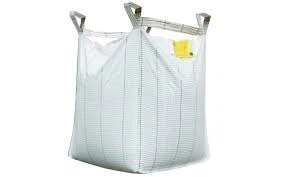
In the world of bulk material handling, bulk bags play a pivotal role. They are used to store and transport a wide variety of dry, flowable products such as grains, sands, chemicals, and minerals. Among the different types of bulk bags, the Top Lift Bulk Bag stands out with its unique features. As a supplier of Top Lift Bulk Bags, I am here to delve into the differences between Top Lift Bulk Bags and other bulk bags.
Structural Design
One of the most obvious differences lies in the structural design. A Top Lift Bulk Bag is specifically designed with lifting loops at the top. These loops are engineered to bear the weight of the bag and its contents when it is being lifted. The top - lift design allows for easy and efficient lifting using cranes, forklifts, or other lifting equipment. The loops are securely attached to the bag, usually by stitching or heat - welding, ensuring a stable and reliable lifting point.
In contrast, other bulk bags may have different lifting configurations. For example, the Bottom Lift Bulk Bag is designed to be lifted from the bottom. This type of bag often has a special bottom structure that can be engaged with lifting devices. The bottom - lift design is useful in situations where top - access is restricted or when a more stable lift from the base is required. There are also side - lift bulk bags, which have lifting points on the sides. These are typically used when the bag needs to be lifted horizontally or when the lifting equipment is more suitable for side - based operations.
Loading and Unloading
The loading and unloading processes of Top Lift Bulk Bags also differ from other bulk bags. With a Top Lift Bulk Bag, loading is usually done from the top. The bag can be opened at the top, and the material can be poured or pumped into it. This is a straightforward process that is well - suited for many dry bulk materials. The top - loading design allows for easy access to the interior of the bag, and it can be quickly filled using conveyor systems or other loading equipment.
When it comes to unloading, a Top Lift Bulk Bag can be emptied by opening a discharge spout at the bottom. This spout can be designed to control the flow of the material, allowing for a controlled and efficient discharge. In some cases, the bag can also be inverted to empty its contents completely.
For other bulk bags, the loading and unloading methods vary. Bottom Lift Bulk Bags may be loaded from the top or through a special bottom - loading mechanism. Unloading can be more complex, as it may require specific equipment to engage with the bottom of the bag to release the material. Side - lift bulk bags may have side - access ports for loading and unloading, which can be more challenging to manage compared to the simple top - bottom access of Top Lift Bulk Bags.
Stability and Safety
Stability is another important aspect where Top Lift Bulk Bags differ from other types. The top - lift design provides a relatively stable lift, as the center of gravity of the bag is typically below the lifting points. This reduces the risk of the bag tipping over during lifting and transportation. The lifting loops at the top are evenly spaced, which helps distribute the weight of the bag and its contents evenly, further enhancing stability.
In terms of safety, Top Lift Bulk Bags are designed with strict safety standards in mind. The lifting loops are tested to ensure they can withstand the maximum load capacity of the bag. The bag itself is made from high - quality materials that are resistant to tearing, puncturing, and environmental factors. This helps prevent accidents such as bag breakage during handling.
Other bulk bags may have different safety considerations. For example, Bottom Lift Bulk Bags need to have a strong and stable bottom structure to support the weight during lifting. Side - lift bulk bags may require additional safety measures to prevent the bag from swinging or shifting during side - based lifting operations.
Application Scenarios
The application scenarios of Top Lift Bulk Bags are diverse. They are widely used in industries such as agriculture, construction, and chemical processing. In the agricultural sector, Top Lift Bulk Bags are used to store and transport grains, fertilizers, and animal feed. The easy top - loading and bottom - unloading features make them ideal for handling these types of materials.
In the construction industry, Top Lift Bulk Bags are used to transport sands, gravels, and cement. Their stability during lifting and transportation ensures that the materials can be safely moved around construction sites. In chemical processing, these bags are used to store and transport various chemicals. The high - quality materials used in the bags prevent chemical leakage and ensure the safety of the workers and the environment.
Other bulk bags are used in different application scenarios. Bottom Lift Bulk Bags are often used in industries where top - access is limited, such as in some manufacturing processes where equipment is installed above the bag storage area. Side - lift bulk bags are used in applications where horizontal movement or side - based handling is required, such as in some warehousing and logistics operations.
Cost - effectiveness
Cost - effectiveness is an important factor for many businesses when choosing bulk bags. Top Lift Bulk Bags are generally cost - effective in many situations. Their simple design and common usage make them relatively inexpensive to manufacture. The easy loading and unloading processes also reduce labor costs and increase operational efficiency. The high - quality materials used in Top Lift Bulk Bags ensure a long service life, which further reduces the overall cost of ownership.
Other bulk bags may have different cost structures. Bottom Lift Bulk Bags may be more expensive to manufacture due to their special bottom design. Side - lift bulk bags may also require more complex engineering and manufacturing processes, which can increase their cost. However, in some specific application scenarios, the benefits of these other types of bulk bags may outweigh the higher costs.
Customization
Top Lift Bulk Bags offer a high degree of customization. They can be customized in terms of size, capacity, material, and lifting loop design. Different industries may have different requirements for the size and capacity of the bags. For example, the agricultural industry may require smaller - capacity bags for easy handling, while the construction industry may need larger - capacity bags to transport large volumes of materials.
The material of the bag can also be customized. Depending on the type of material to be stored and transported, the bag can be made from different fabrics, such as woven polypropylene or coated fabrics. The lifting loops can be customized in terms of length, width, and strength to meet the specific lifting requirements.


Other bulk bags also offer customization options, but the scope may be different. Bottom Lift Bulk Bags may be customized more in terms of their bottom structure, while side - lift bulk bags may focus on the side - lifting point design.
Conclusion
In conclusion, Top Lift Bulk Bags have several distinct differences compared to other bulk bags. Their unique structural design, loading and unloading processes, stability, application scenarios, cost - effectiveness, and customization options make them a popular choice in many industries. As a supplier of Top Lift Bulk Bags, I understand the specific needs of different customers and can provide high - quality, customized solutions.
If you are in the market for bulk bags and are considering a Top Lift Bulk Bag, I encourage you to reach out to discuss your specific requirements. Whether you need a small - scale solution for a local business or a large - scale supply for an industrial operation, I am here to help you make the right choice. Contact me to start the procurement process and find the best bulk bag solution for your needs.
References
- Bulk Material Handling Handbook, Second Edition, Edited by George Klinzing, et al.
- Handbook of Industrial and Hazardous Waste Treatment, Edited by James A. Kent.