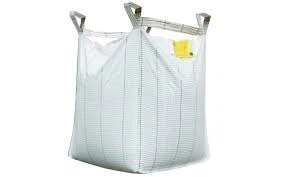
As a supplier of Anti-static Bulk Bags, I understand the critical importance of proper sealing in ensuring the functionality and safety of these essential packaging solutions. Anti-static bulk bags, also known as FIBCs (Flexible Intermediate Bulk Containers), are widely used in various industries to transport and store a wide range of materials, from powders and granules to hazardous chemicals. Ensuring that these bags are properly sealed is not only crucial for maintaining the integrity of the contents but also for preventing static electricity buildup, which can lead to potentially dangerous situations such as explosions or fires.


Understanding the Risks of Improper Sealing
Before delving into the methods of ensuring proper sealing, it's essential to understand the risks associated with improper sealing of anti-static bulk bags. When a bulk bag is not sealed correctly, it can allow the ingress of moisture, dust, or other contaminants, which can compromise the quality of the stored materials. Additionally, improper sealing can lead to the escape of fine particles, posing a risk to the environment and the health of workers handling the bags.
One of the most significant risks associated with anti-static bulk bags is the buildup of static electricity. Static electricity can be generated during the filling, transporting, or discharging of bulk bags, especially when handling materials with high electrical resistance. If the static charge is not properly dissipated, it can create a spark, which can ignite flammable materials or cause an explosion in a hazardous environment. Therefore, ensuring proper sealing is essential for maintaining the anti-static properties of the bags and preventing static-related incidents.
Choosing the Right Sealing Method
There are several sealing methods available for anti-static bulk bags, each with its own advantages and limitations. The choice of sealing method depends on various factors, including the type of material being stored, the environment in which the bags will be used, and the specific requirements of the application.
Heat Sealing
Heat sealing is a popular method for sealing anti-static bulk bags, especially for bags made of polypropylene or other thermoplastic materials. This method involves applying heat to the edges of the bag to melt the plastic and create a strong, airtight seal. Heat sealing is effective in preventing the ingress of moisture and contaminants and can also help to maintain the anti-static properties of the bag. However, it requires specialized equipment and trained operators, and the sealing process can be time-consuming and expensive.
Sewing
Sewing is another common method for sealing anti-static bulk bags. This method involves using a sewing machine to stitch the edges of the bag together, creating a secure seal. Sewing is a relatively simple and cost-effective method, and it can be used for bags made of various materials, including woven polypropylene and non-woven fabrics. However, sewing may not provide a completely airtight seal, and the stitches can create small gaps that can allow the ingress of dust or moisture. Additionally, the sewing process can generate static electricity, which may need to be dissipated to prevent static-related incidents.
Zip Ties or Twist Ties
Zip ties or twist ties are simple and inexpensive methods for sealing anti-static bulk bags. These ties can be used to secure the opening of the bag, preventing the contents from spilling out. However, zip ties and twist ties may not provide a strong or airtight seal, and they can be easily damaged or removed, making them less suitable for applications where security and integrity are critical.
Adhesive Sealing
Adhesive sealing involves using an adhesive to bond the edges of the bag together, creating a strong and airtight seal. This method is suitable for bags made of various materials, including paper, plastic, and fabric. Adhesive sealing is relatively quick and easy to perform, and it can provide a high level of security and integrity. However, the adhesive used must be compatible with the material of the bag and the contents being stored, and it may need to be tested to ensure that it does not affect the anti-static properties of the bag.
Ensuring Proper Sealing During the Filling Process
Proper sealing of anti-static bulk bags begins during the filling process. Here are some tips to ensure that the bags are sealed correctly:
Use the Right Equipment
Using the right equipment is essential for ensuring proper sealing during the filling process. The filling equipment should be designed to handle the specific type of material being filled and should be equipped with appropriate sensors and controls to monitor the filling process and ensure that the bag is filled to the correct level. Additionally, the filling equipment should be grounded to prevent the buildup of static electricity.
Follow the Manufacturer's Instructions
It's important to follow the manufacturer's instructions when filling anti-static bulk bags. The instructions will provide guidance on the maximum filling capacity, the recommended filling rate, and the proper sealing method for the bag. Following the instructions will help to ensure that the bag is filled safely and correctly and that the contents are protected during transport and storage.
Inspect the Bag Before Filling
Before filling the anti-static bulk bag, it's important to inspect the bag for any damage or defects. The bag should be free from holes, tears, or other damage that could compromise the integrity of the seal. Additionally, the bag should be clean and dry, and the anti-static properties should be tested to ensure that they are still effective.
Seal the Bag Immediately After Filling
Once the bag is filled, it should be sealed immediately to prevent the ingress of moisture, dust, or other contaminants. The sealing method used should be appropriate for the type of material being stored and the environment in which the bag will be used. Additionally, the seal should be inspected to ensure that it is strong and airtight.
Maintaining the Integrity of the Seal During Transport and Storage
Proper sealing of anti-static bulk bags is not only important during the filling process but also during transport and storage. Here are some tips to ensure that the integrity of the seal is maintained during transport and storage:
Use Proper Handling Equipment
When handling anti-static bulk bags, it's important to use proper handling equipment to prevent damage to the bag and the seal. The handling equipment should be designed to handle the weight and size of the bag and should be equipped with appropriate safety features to prevent the bag from tipping over or falling. Additionally, the handling equipment should be grounded to prevent the buildup of static electricity.
Store the Bags in a Suitable Environment
Anti-static bulk bags should be stored in a suitable environment to prevent damage to the bag and the seal. The storage area should be clean, dry, and free from extreme temperatures and humidity. Additionally, the bags should be stored away from sources of heat, fire, or other hazards that could damage the bag or the contents.
Inspect the Bags Regularly
During transport and storage, it's important to inspect the anti-static bulk bags regularly to ensure that the seal is still intact and that the bag is not damaged. The inspection should include a visual inspection of the bag and the seal, as well as a test of the anti-static properties of the bag. If any damage or defects are found, the bag should be replaced immediately to prevent the contents from being compromised.
Conclusion
Ensuring proper sealing of anti-static bulk bags is essential for maintaining the integrity of the contents and preventing static-related incidents. By choosing the right sealing method, following the manufacturer's instructions, and taking appropriate precautions during the filling, transport, and storage process, you can ensure that your anti-static bulk bags are properly sealed and that your materials are protected.
As a supplier of Anti-static Bulk Bag, we are committed to providing high-quality products and services to our customers. We offer a wide range of anti-static bulk bags, including Conductive Bulk Bag and Food Grade Bulk Bag, to meet the specific needs of your application. If you have any questions or need further information about our products or services, please feel free to contact us. We look forward to working with you to ensure the safety and integrity of your materials.
References
- "Flexible Intermediate Bulk Containers (FIBCs): A Guide to Safe Use." International Organization for Standardization (ISO).
- "Anti-Static Packaging Handbook." ESDA (Electrostatic Discharge Association).
- "Static Electricity in the Workplace: A Guide to Prevention and Control." Health and Safety Executive (HSE).