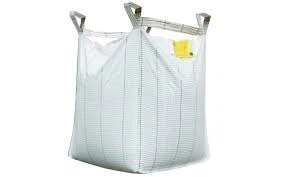
As a seasoned supplier of lined paper - plastic composite packaging bags, I'm thrilled to take you through the intricate manufacturing process of these versatile and essential products. Lined paper - plastic composite packaging bags are widely used across various industries due to their excellent combination of the strength and printability of paper and the barrier properties of plastic.
Raw Material Selection
The first step in the manufacturing process is the careful selection of raw materials. For the paper component, high - quality kraft paper is often chosen. Kraft paper is known for its high tensile strength, durability, and resistance to tearing. It can be sourced from sustainable forests, making it an environmentally friendly option. The grade of kraft paper depends on the specific requirements of the packaging bag, such as the weight and volume of the product it will hold.
On the other hand, the plastic lining is typically made from polyethylene (PE). PE comes in different forms, including low - density polyethylene (LDPE) and high - density polyethylene (HDPE). LDPE offers good flexibility and a high degree of transparency, while HDPE provides greater stiffness and strength. The choice between LDPE and HDPE depends on factors like the need for moisture resistance, puncture resistance, and the overall design of the packaging bag.
Extrusion Coating
Once the raw materials are selected, the next step is extrusion coating. This process involves melting the plastic resin (usually PE) and then applying it to the surface of the kraft paper. The extrusion coating machine consists of a hopper where the plastic resin pellets are fed, a screw that melts and conveys the molten plastic, and a die that spreads the plastic evenly onto the paper.
The temperature and pressure during the extrusion coating process are carefully controlled to ensure a uniform coating thickness. A typical coating thickness ranges from 10 to 50 microns, depending on the application. The coated paper is then cooled rapidly to solidify the plastic layer. This creates a strong bond between the paper and the plastic, forming a composite material with enhanced properties.
Printing
After the extrusion coating, the composite material may undergo a printing process. Printing on lined paper - plastic composite packaging bags serves multiple purposes. It can be used for branding, providing product information, and enhancing the visual appeal of the packaging.
There are several printing methods available, including flexographic printing, gravure printing, and digital printing. Flexographic printing is a popular choice due to its cost - effectiveness and ability to print on a variety of substrates. It uses flexible printing plates to transfer ink onto the packaging material. Gravure printing, on the other hand, offers high - quality, detailed prints and is suitable for large - volume production. Digital printing provides the advantage of short - run production and the ability to customize each print.
Bag Making
Once the printing is complete, the composite material is ready for bag making. The bag - making process involves several steps, including cutting, folding, and sealing.
First, the composite material is cut into the appropriate size and shape according to the design of the packaging bag. There are different types of lined paper - plastic composite packaging bags, such as the Paper - plastic Composite Tear - open Bag, Paper - plastic Composite Square Bottom Flat Bag, and Paper - plastic Composite Flat Valve Bag. Each type requires specific cutting and folding techniques.
After cutting, the material is folded to form the bag's shape. This may involve creating side seams, bottom seams, and any additional folds required for the bag's design. Sealing is then carried out to join the edges of the bag. Heat sealing is a common method used for sealing lined paper - plastic composite packaging bags. The heat melts the plastic layer, allowing it to bond with itself and create a strong, airtight seal.
Quality Control
Quality control is an essential part of the manufacturing process. At every stage, from raw material inspection to the final product, strict quality control measures are implemented.
For raw materials, the paper is checked for its strength, thickness, and moisture content. The plastic resin is inspected for its purity and melting point. During the extrusion coating process, the coating thickness and adhesion strength are monitored regularly. In the printing process, the print quality, color accuracy, and registration are checked.
After bag making, the finished bags are tested for various properties, including burst strength, tear strength, seal strength, and moisture resistance. Only bags that meet the specified quality standards are approved for shipment.
Advantages of Lined Paper - Plastic Composite Packaging Bags
Lined paper - plastic composite packaging bags offer several advantages over other types of packaging. The combination of paper and plastic provides a good balance between strength and flexibility. The paper layer gives the bag a natural and eco - friendly appearance, while the plastic lining provides excellent moisture and oxygen barrier properties, protecting the product inside from spoilage and damage.
These bags are also highly customizable. They can be printed with vivid colors and detailed designs, making them an effective marketing tool. Additionally, they are available in a wide range of sizes and shapes to meet the diverse needs of different industries, such as food, chemicals, and agriculture.
Conclusion
The manufacturing process of lined paper - plastic composite packaging bags is a complex and precise operation that involves multiple steps, from raw material selection to quality control. As a supplier, we are committed to producing high - quality packaging bags that meet the strictest standards.


If you are interested in our lined paper - plastic composite packaging bags and would like to discuss your specific requirements, we invite you to contact us for a procurement negotiation. We have a team of experts who can provide you with detailed information and customized solutions.
References
- Packaging Technology Handbook, Third Edition, Edited by Wilmer A. Jenkins and James P. Harrington
- Plastics in Packaging Applications, Second Edition, By Andrew B. Strong
- Paper and Paperboard Packaging Technology, Third Edition, By G. A. Smook