

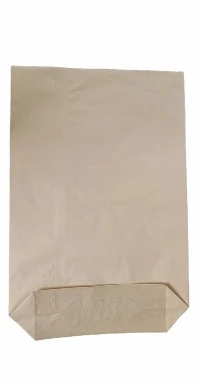


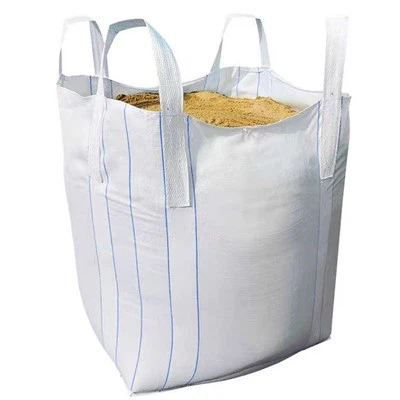
Food Grade Bulk Bag
Benefits of Food Grade Bulk Bag
Food Safety
Food-grade bulk bags are made from 100% virgin polypropylene resin. These bags are free from any recycled material and are deemed safe for the storage and handling of food products. They're manufactured in clean and hygienic facilities, where they are tested and certified for industrial use.
Lightweight and Durable
Food-grade bulk bags are made from polyethene and polypropylene materials that are strong and durable. These ensure the bags will last long and withstand the rigours of transportation and storage. With each bag carrying a load of 500–2,000 kgs and a container weighing no more than 2–3 kgs, bags are a lightweight, flexible packaging option with the lowest package-to-product weight ratio.
Cost-Effective
Compared to other food storage options, food-grade bulk bags are stackable, space-saving, and reduce product wastage, making them relatively cost-effective and an economical solution for storage and transportation.
Easy to Handle
With various lifting options, filling spouts, and bottom construction styles, food-grade bulk bags are easy to handle. Many industries use them because they can be stacked and stored compactly, saving valuable storage space.
Reusable and Environmentally Friendly
Food-grade bulk bags can be reused multiple times if the surface is undamaged and the products carried are non-hazardous. Towards the end of the bulk bags' life cycle, they can be recycled and refurbished to suit other industries' operations.
Enhanced Food Products Quality
Food-grade bulk bags are manufactured with excellent properties to protect their contents from the intrusion of external natural contaminants. They are robust and won't lead to normal wear and tear, keeping thin structure seeds, spices, and herbs shielded from leakage and spillage.
Both virgin and recycled polypropylene are excellent materials for food-grade bulk bags. In fact, this polymer is one of the most widely used packaging materials around and is commonplace in many industries.
Polypropylene is an incredibly stable plastic, being able to withstand a variety of temperatures. The insert material also possesses excellent chemical resistance, enhancing its suitability for food-grade packaging. Polypropylene's resistance to moisture also makes any packaging made from it very durable. Polymer-based packaging is also lightweight and flexible, but proper storage is essential if bulk bags are to remain in good condition.
What Types of Liners are Available for Food Grade Bulk Bags?
Tubular Bulk Bag Liners
Tubular liners, or gusseted liners, are constructed in a tubular shape rather than formed to the shape of the bag. Tubular liners as well as form fit liners can come with the bottom sealed or unsealed depending on your discharge requirements.
Polypropylene (PP) Liners
These are more durable and provide good protection for heavier food products. They are often used when strength is required along with food safety.
FOIL bulk Bag Liners
Foil Liners are made from 3-4 layers of different materials that are bonded together with adhesives and polyethylene. The layer of aluminum offers a high level of protection which gives foil liners the lowest moisture and oxygen transmission rate for flexible packaging.
Barrier Film Liners
Used for food products that require a higher level of protection against contamination, these liners are designed with multiple layers to prevent gas, moisture, or chemical penetration.
Anti-Static Bulk Bag Liners
Antistatic liners, commonly called L2 liners, are produced with antistatic resins which dissipate static discharge. L2 liners are necessary when the product or environment in which the bag is utilized is combustible.
High-Temp Bulk Bag Liners
High Temperature liners are produced from resins which have a higher melting point, such as metallocene and polypropylene and are necessary when the product being packaged is bagged at a higher temperature.
Key Considerations for Selecting Food Grade Bulk Bag
Food Safety Compliance: Ensure that food grade bulk bags comply with relevant food safety regulations, such as FDA (Food and Drug Administration) guidelines in the United States or EU regulations in Europe. Look for certifications or statements of compliance from reputable manufacturers.
Material Compatibility: Consider the compatibility of food grade bulk bag materials with the specific food product being transported or stored. Some food items may interact with certain materials, affecting product quality or safety.
Design Features: Assess the design features of food grade bulk bags, such as top and bottom configurations, discharge options (spouts, baffles, etc.), lifting mechanisms (handles, loops), and liners (if required). Choose options that facilitate easy filling, handling, and discharge of food products.
Capacity and Size: Determine the appropriate capacity and size of food grade bulk bags based on the volume and weight of the food products. Overfilling or underutilizing bags can compromise their integrity and safety during handling and transportation.
Quality and Durability: Prioritize quality and durability when selecting food grade bulk bags to ensure they withstand the rigors of transportation and storage. Inspect for reinforced seams, UV protection, and tear-resistant fabric to prevent leakage or product loss.
Best Practices for Using Food Grade Bulk Bag
Inspection and Maintenance
Regularly inspect food grade bulk bags for signs of damage, wear, or contamination. Replace damaged bags promptly and implement maintenance protocols to extend their lifespan.
Proper Handling and Storage
Follow proper handling and storage procedures to prevent damage to food grade bulk bags and ensure product safety. Avoid stacking bags excessively high or subjecting them to sharp objects or rough handling.
Cleaning and Sanitization
If reusable food grade bulk bags are used, establish cleaning and sanitization protocols to eliminate any residues or contaminants between uses. Use food-grade cleaning agents and adhere to recommended hygiene practices.
Training and Education
Provide training to personnel involved in handling food grade bulk bags to promote proper procedures and safety protocols. Educate them on the importance of maintaining food hygiene standards throughout the supply chain.
FAQ
Q: Are food grade bulk bags recyclable?
Q: What sort of food can I store in food grade bulk bags?
Q: Are food grade bulk bags cost-effective?
Q: How do I choose the right size for my food grade bulk bag?
Q: How should I store food grade bulk bags?
Q: Are there specific handling instructions for food grade bulk bags?
Q: How do food-grade bulk bags differ from standard bulk bags?
Q: What are food-grade bulk bags made of?
Q: How much weight can a bulk bag food grade bulk bags hold, and what are the size options?
Q: Can food grade bulk bags have lining?
Q: Can customers print on food grade bulk bags?
Q: What Certifications are Important for food grade bulk bags?
Q: What is the safety factor for food grade bulk bags?
Q: How long will food last in food grade bulk bags?
Q: Are food grade bulk bags waterproof?
Q: How are food grade bulk bags sealed?
Q: How can you tell if a food grade bulk bag is food grade?
Hot Tags: food grade bulk bag, China food grade bulk bag manufacturers, suppliers, factory, bulk bags for palletizing, bin for bulk bags, sewn seam bulk bag, bulk bags for can storage, bulk bags for clean room storage, product information label on bulk bag
Previous
No InformationYou Might Also Like



Send Inquiry