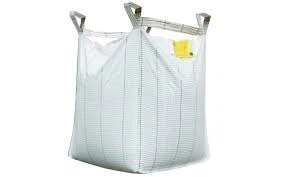
Selecting the appropriate size of a Top Lift Bulk Bag is a critical decision for businesses involved in the storage, transportation, and handling of bulk materials. As a Top Lift Bulk Bag supplier, I understand the complexities and considerations that go into this choice. In this blog, I'll share insights on how to choose the right size of a Top Lift Bulk Bag, ensuring that your operations run smoothly and efficiently.
Understanding Top Lift Bulk Bags
Before delving into the sizing process, it's essential to understand what Top Lift Bulk Bags are. These bags are designed with lifting loops at the top, allowing them to be easily hoisted and moved using forklifts, cranes, or other lifting equipment. They are commonly used in industries such as agriculture, construction, chemicals, and food processing to transport and store a wide range of materials, including grains, powders, and aggregates.
Factors to Consider When Choosing the Size
1. Material Volume and Weight
The first and most crucial factor to consider is the volume and weight of the material you plan to store or transport. Different bulk materials have varying densities, which means that the same volume of different materials can have significantly different weights. For example, a cubic meter of sand will weigh much more than a cubic meter of feathers.
To determine the appropriate bag size, you need to know the density of your material and calculate the total weight you'll be handling. Once you have this information, you can select a bag with a suitable capacity. Most Top Lift Bulk Bags are rated by their safe working load (SWL), which indicates the maximum weight they can safely carry. Make sure to choose a bag with an SWL that exceeds the weight of your material to ensure safety.
2. Storage and Transportation Space
Another important consideration is the available space for storage and transportation. You need to ensure that the bulk bags you choose can fit comfortably in your storage facilities and transportation vehicles. Measure the dimensions of your storage racks, containers, and trucks to determine the maximum height, width, and length of the bags that can be accommodated.
If you have limited space, you may want to consider using smaller bags or bags with a more compact design. On the other hand, if you have ample space, you can opt for larger bags to increase efficiency and reduce the number of bags needed.
3. Handling Equipment
The type of handling equipment you use also plays a role in determining the size of the Top Lift Bulk Bags. Different lifting equipment has different weight capacities and lifting capabilities. For example, a small forklift may not be able to lift a large, heavy bag, while a crane may be more suitable for handling oversized bags.
Make sure to choose a bag size that is compatible with your handling equipment. Consider the lifting capacity, reach, and maneuverability of your equipment to ensure that it can safely and efficiently handle the bags.
4. Filling and Discharging Methods
The way you fill and discharge the bulk bags can also influence the size you choose. Some filling and discharging methods require specific bag sizes or configurations. For example, if you use a gravity-fed filling system, you may need a bag with a large opening at the top to allow for easy filling. Similarly, if you use a bottom discharge system, you may need a Bottom Lift Bulk Bag or a bag with a special discharge spout.


Consider your filling and discharging methods and choose a bag size that is compatible with them. This will help to ensure a smooth and efficient filling and discharging process.
5. Regulatory Requirements
Depending on your industry and the type of material you are handling, there may be regulatory requirements regarding the size and design of bulk bags. For example, some industries may have specific requirements for the maximum weight or volume of bags, or they may require bags to be made from certain materials or have specific safety features.
Make sure to familiarize yourself with the relevant regulatory requirements and choose a bag size that complies with them. This will help to ensure that your operations are legal and safe.
Sizing Guidelines
Based on the factors discussed above, here are some general sizing guidelines to help you choose the right size of Top Lift Bulk Bag:
Small Bags (Less than 500 kg)
Small bags are typically used for handling small quantities of materials or for applications where space is limited. They are often used in laboratories, small-scale manufacturing, and retail environments. Small bags are usually available in sizes ranging from 100 to 500 kg and can be easily handled using manual lifting equipment or small forklifts.
Medium Bags (500 kg to 1500 kg)
Medium bags are the most commonly used size of Top Lift Bulk Bags. They are suitable for a wide range of applications and can be used to handle materials such as grains, powders, and aggregates. Medium bags are usually available in sizes ranging from 500 to 1500 kg and can be handled using standard forklifts and cranes.
Large Bags (More than 1500 kg)
Large bags are used for handling large quantities of materials or for applications where efficiency is a priority. They are often used in industries such as mining, construction, and agriculture. Large bags are usually available in sizes ranging from 1500 kg to several tons and require heavy-duty lifting equipment such as cranes and large forklifts.
Conclusion
Choosing the right size of Top Lift Bulk Bag is essential for ensuring the safety, efficiency, and cost-effectiveness of your operations. By considering factors such as material volume and weight, storage and transportation space, handling equipment, filling and discharging methods, and regulatory requirements, you can select a bag size that meets your specific needs.
If you have any questions or need further assistance in choosing the right size of Top Lift Bulk Bag, please don't hesitate to contact us. We are a leading supplier of Top Lift Bulk Bags and have extensive experience in helping businesses find the perfect solution for their bulk material handling needs. Let's discuss your requirements and find the best bag size for your operations.
References
- "Bulk Bag Handbook" by the Bulk Bag Association
- "Safe Handling of Bulk Bags" by the Occupational Safety and Health Administration (OSHA)
- Industry standards and regulations related to bulk bag usage in your specific industry.