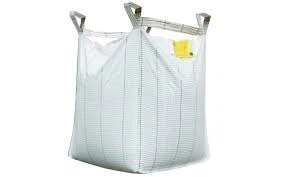
As a supplier of Top Lift Bulk Bags, I often encounter inquiries from customers regarding the specific discharge method of these bags. In this blog post, I aim to delve into this topic in detail, providing a comprehensive understanding of the discharge methods associated with Top Lift Bulk Bags.
Understanding Top Lift Bulk Bags
Before discussing the discharge methods, it's essential to have a clear understanding of what Top Lift Bulk Bags are. Top Lift Bulk Bag are large, flexible containers designed to store and transport a wide range of dry, flowable materials such as grains, powders, and granules. These bags are typically made from woven polypropylene fabric, which provides strength and durability. The top lift feature allows for easy handling and lifting using forklifts or cranes, making them suitable for various industrial applications.
Discharge Methods of Top Lift Bulk Bags
There are several discharge methods available for Top Lift Bulk Bags, each with its own advantages and disadvantages. The choice of discharge method depends on various factors, including the type of material being stored, the flow characteristics of the material, and the specific requirements of the application.
Gravity Discharge
Gravity discharge is the most common and straightforward method of discharging Top Lift Bulk Bags. In this method, the bag is suspended above a receiving hopper or container, and the material flows out of the bag through a discharge spout located at the bottom of the bag. The force of gravity causes the material to flow downward, allowing for a continuous and controlled discharge.
Gravity discharge is suitable for free-flowing materials such as grains, seeds, and some powders. It is a simple and cost-effective method that requires minimal equipment. However, it may not be suitable for materials that are cohesive or have poor flow characteristics, as these materials may bridge or arch inside the bag, preventing the material from flowing freely.
Conveyor Discharge
Conveyor discharge involves using a conveyor system to transport the material from the Top Lift Bulk Bag to the desired location. This method is commonly used when the material needs to be transferred over a longer distance or when a continuous flow of material is required.
In conveyor discharge, the bag is placed on a conveyor belt, and the material is discharged onto the belt through a discharge spout. The conveyor belt then transports the material to the receiving hopper or processing equipment. This method is suitable for a wide range of materials, including both free-flowing and non-free-flowing materials. It allows for precise control of the material flow rate and can be easily integrated into existing production lines.
Vacuum Discharge
Vacuum discharge is a method that uses a vacuum system to remove the material from the Top Lift Bulk Bag. This method is particularly useful for handling fine powders and dusty materials, as it helps to minimize dust emissions and prevent contamination.
In vacuum discharge, a vacuum hose is connected to the discharge spout of the bag, and the material is sucked out of the bag using the vacuum force. The material is then transported through the hose to a receiving hopper or processing equipment. Vacuum discharge is a clean and efficient method that can be used for both free-flowing and non-free-flowing materials. However, it requires specialized equipment and may be more expensive than other discharge methods.
Mechanical Discharge
Mechanical discharge involves using mechanical devices such as agitators, vibrators, or screw conveyors to assist in the discharge of the material from the Top Lift Bulk Bag. This method is commonly used for materials that are cohesive or have poor flow characteristics, as the mechanical action helps to break up the material and promote flow.
In mechanical discharge, an agitator or vibrator is installed inside the bag or at the discharge spout to loosen the material and prevent bridging or arching. A screw conveyor may also be used to transport the material from the bag to the receiving hopper. Mechanical discharge can be a reliable and effective method for handling difficult-to-flow materials, but it requires additional equipment and maintenance.
Factors Affecting the Discharge Method
When choosing a discharge method for Top Lift Bulk Bags, several factors need to be considered to ensure optimal performance and efficiency. These factors include:
Material Characteristics
The type of material being stored in the bag, its flow characteristics, and its physical properties such as particle size, density, and moisture content can significantly affect the choice of discharge method. Free-flowing materials are generally easier to discharge using gravity or conveyor methods, while cohesive or non-free-flowing materials may require mechanical or vacuum discharge methods.
Bag Design
The design of the Top Lift Bulk Bag, including the shape, size, and configuration of the discharge spout, can also influence the discharge method. Some bags are designed with special features such as conical bottoms or anti-bridging devices to facilitate the flow of material. The choice of bag design should be based on the specific requirements of the application and the characteristics of the material being stored.
Application Requirements
The specific requirements of the application, such as the desired flow rate, the distance of material transfer, and the level of dust control, also play a crucial role in determining the discharge method. For example, applications that require a high flow rate may benefit from using a conveyor or mechanical discharge method, while applications that require strict dust control may require a vacuum discharge method.


Conclusion
In conclusion, Top Lift Bulk Bags offer a versatile and efficient solution for storing and transporting a wide range of dry, flowable materials. The choice of discharge method depends on various factors, including the material characteristics, bag design, and application requirements. By understanding the different discharge methods available and considering these factors, you can select the most suitable method for your specific needs.
As a supplier of Top Lift Bulk Bags, I am committed to providing high-quality products and comprehensive technical support to help you optimize your material handling processes. If you have any questions or need further information about Top Lift Bulk Bags or their discharge methods, please feel free to contact me. I would be happy to assist you in finding the best solution for your application.
References
- "Bulk Bag Discharge Systems: A Comprehensive Guide." Powder & Bulk Solids, [publication date].
- "Selection of Bulk Bag Discharge Equipment." Chemical Engineering, [publication date].
- "Best Practices for Handling Bulk Solids in Flexible Intermediate Bulk Containers (FIBCs)." Journal of Loss Prevention in the Process Industries, [publication date].