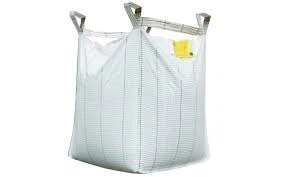
Can Bottom Lift Bulk Bags be used for storing salt?
As a supplier of Bottom Lift Bulk Bags, I often encounter inquiries regarding the suitability of our products for various storage applications. One common question that arises is whether Bottom Lift Bulk Bags can be used for storing salt. In this blog post, I will delve into this topic, exploring the factors to consider and the advantages of using Bottom Lift Bulk Bags for salt storage.
Understanding Bottom Lift Bulk Bags
Before we discuss the storage of salt, let's first understand what Bottom Lift Bulk Bags are. These bags, also known as FIBCs (Flexible Intermediate Bulk Containers), are large, flexible containers designed for the storage and transportation of bulk materials. They are typically made from woven polypropylene fabric, which provides strength and durability. The unique feature of Bottom Lift Bulk Bags is that they are designed to be lifted from the bottom, allowing for easy handling and discharge of the contents. You can learn more about them here.
Factors to Consider for Salt Storage
When considering using Bottom Lift Bulk Bags for salt storage, several factors need to be taken into account.
Chemical Compatibility
Salt is a highly corrosive substance, and it is essential to ensure that the material of the bulk bag is chemically compatible with salt. Woven polypropylene, the most common material used in Bottom Lift Bulk Bags, is generally resistant to corrosion and can withstand the chemical properties of salt. However, it is still important to check the specific requirements of the salt being stored, as some types of salt may have different chemical compositions that could potentially affect the bag.
Moisture Resistance
Salt has a tendency to absorb moisture from the environment, which can lead to caking and degradation of the salt. Therefore, it is crucial to choose a Bottom Lift Bulk Bag that offers good moisture resistance. Many bulk bags are treated with a moisture barrier coating to prevent moisture from seeping into the bag and affecting the salt. Additionally, proper storage conditions, such as keeping the bags in a dry and well-ventilated area, can also help to minimize moisture absorption.
Strength and Durability
Salt is a heavy material, and the bulk bags used for its storage need to be strong enough to withstand the weight. Bottom Lift Bulk Bags are designed to have high tensile strength and can typically handle loads ranging from 500 to 3000 kilograms. However, it is important to select the appropriate bag size and capacity based on the quantity of salt being stored. Overloading the bags can lead to tearing or rupture, which can result in spills and safety hazards.
UV Resistance
If the Bottom Lift Bulk Bags are going to be stored outdoors, they need to be resistant to ultraviolet (UV) radiation. UV rays can cause the polypropylene fabric to degrade over time, weakening the bag and reducing its lifespan. Many bulk bags are treated with UV stabilizers to protect them from the harmful effects of the sun.
Advantages of Using Bottom Lift Bulk Bags for Salt Storage
There are several advantages to using Bottom Lift Bulk Bags for salt storage.
Cost-Effective
Bottom Lift Bulk Bags are a cost-effective solution for storing salt compared to traditional storage methods such as drums or silos. They are relatively inexpensive to purchase and require minimal storage space. Additionally, they can be reused multiple times, further reducing the cost per use.


Easy Handling
The bottom lift design of these bags makes them easy to handle and transport. They can be lifted using a forklift or other lifting equipment, allowing for quick and efficient loading and unloading. This can save time and labor costs, especially in large-scale salt storage operations.
Versatility
Bottom Lift Bulk Bags come in a variety of sizes and configurations, making them suitable for different types of salt storage applications. They can be used for both indoor and outdoor storage, and they can be customized with features such as liners, spouts, and lifting loops to meet specific requirements.
Environmental Friendly
Using Bottom Lift Bulk Bags for salt storage is an environmentally friendly option. They are made from recyclable materials, and their reusable nature helps to reduce waste. Additionally, the bags can be easily transported, reducing the carbon footprint associated with transportation.
Comparison with Top Lift Bulk Bags
While Bottom Lift Bulk Bags offer many advantages for salt storage, it is also worth considering Top Lift Bulk Bags. Top Lift Bulk Bags are lifted from the top, which can be more convenient in some situations. However, they may not be as suitable for heavy materials like salt, as the weight of the salt can cause the bag to sag and make it more difficult to lift. Additionally, Bottom Lift Bulk Bags provide better stability during handling and discharge, which can be important for ensuring the safety of the operators.
Conclusion
In conclusion, Bottom Lift Bulk Bags can be an excellent choice for storing salt. They offer several advantages, including chemical compatibility, moisture resistance, strength, and cost-effectiveness. However, it is important to consider the specific requirements of the salt being stored and choose the appropriate bag size and features. If you have any questions or need further information about using Bottom Lift Bulk Bags for salt storage, please feel free to contact us. We are a leading supplier of Bottom Lift Bulk Bags and can provide you with the best solutions for your salt storage needs.
References
- "Flexible Intermediate Bulk Containers (FIBCs): A Comprehensive Guide" by [Author Name]
- "Chemical Compatibility of Woven Polypropylene with Salt" by [Research Institution]
- "Moisture Resistance in Bulk Bags" by [Industry Expert]