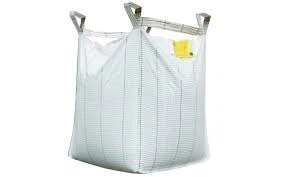
As a supplier of Top Lift Bulk Bags, I often get asked whether these bags can be used for hazardous materials. It's a crucial question, considering the potential risks associated with handling and transporting hazardous substances. In this blog post, I'll delve into the technical aspects, regulations, and practical considerations to provide a comprehensive answer.


Technical Features of Top Lift Bulk Bags
Top Lift Bulk Bags, available at Top Lift Bulk Bag, are designed with specific features that make them suitable for a wide range of applications. These bags typically have lifting loops at the top, which allows for easy and efficient handling using forklifts or cranes. The construction of the bags is robust, usually made from high - strength polypropylene fabric. This fabric provides excellent resistance to tearing, puncturing, and abrasion, which are important factors when dealing with potentially rough or sharp - edged hazardous materials.
The fabric can also be treated to enhance its performance. For example, anti - static treatments are available to prevent the build - up of static electricity, which is a significant concern when handling flammable or combustible hazardous materials. Static electricity can cause sparks, which may ignite these materials, leading to fires or explosions. Additionally, some Top Lift Bulk Bags are designed with a liner to provide an extra layer of protection. The liner can be made from materials such as polyethylene, which is resistant to many chemicals and can prevent leakage of the hazardous substances.
Regulatory Considerations
When it comes to using Top Lift Bulk Bags for hazardous materials, regulatory compliance is of utmost importance. Different countries and regions have their own sets of regulations governing the handling, storage, and transportation of hazardous substances. In the United States, for instance, the Department of Transportation (DOT) has strict rules regarding the packaging and labeling of hazardous materials. The bags must meet specific standards for strength, integrity, and chemical resistance.
The United Nations also has a system of classification and packaging requirements for hazardous materials. Bulk bags used for hazardous substances must be tested and certified to meet the UN standards. This includes tests for drop, stacking, and vibration to ensure that the bags can withstand the rigors of transportation without leaking or breaking. The certification process is rigorous, and only bags that pass these tests can be legally used for transporting hazardous materials.
Compatibility with Different Hazardous Materials
Not all hazardous materials are the same, and the suitability of Top Lift Bulk Bags depends on the nature of the substances. For example, corrosive materials such as acids and alkalis require bags with liners that are resistant to chemical attack. Polyethylene liners are often used for this purpose, as they can withstand the corrosive effects of many common acids and alkalis.
Flammable and combustible materials, on the other hand, need bags with anti - static properties. As mentioned earlier, static electricity can be a major hazard when dealing with these materials. Anti - static Top Lift Bulk Bags are designed to dissipate static charges safely, reducing the risk of ignition.
Toxic materials require bags that provide a high level of containment. The bags should be constructed in such a way that there is no leakage or spillage, even under normal handling and transportation conditions. Double - walled bags or bags with special seals can be used to ensure maximum containment of toxic substances.
Advantages of Using Top Lift Bulk Bags for Hazardous Materials
There are several advantages to using Top Lift Bulk Bags for hazardous materials. Firstly, they offer a cost - effective solution compared to traditional packaging methods such as drums or barrels. Bulk bags can hold a large volume of material, which reduces the number of containers needed for transportation and storage. This, in turn, lowers the overall cost of handling hazardous substances.
Secondly, Top Lift Bulk Bags are easy to handle. The top - lift design allows for quick and efficient loading and unloading using standard lifting equipment. This reduces the time and labor required for handling, which is especially important when dealing with hazardous materials, as it minimizes the exposure of workers to these substances.
Another advantage is the flexibility of Top Lift Bulk Bags. They can be customized to meet the specific requirements of different hazardous materials. For example, the size, shape, and liner material can be adjusted according to the nature of the substance being transported or stored.
Disadvantages and Limitations
However, there are also some disadvantages and limitations to using Top Lift Bulk Bags for hazardous materials. One of the main concerns is the potential for puncturing or tearing during handling. If a bag is damaged, it can lead to leakage of the hazardous substance, which poses a significant risk to the environment and human health. To mitigate this risk, proper handling procedures must be followed, and the bags should be inspected regularly for any signs of damage.
Another limitation is the limited shelf life of the bags. Over time, the fabric of the bags can degrade, especially if they are exposed to harsh environmental conditions such as sunlight, heat, or moisture. This can reduce the strength and integrity of the bags, making them less suitable for use with hazardous materials. Therefore, it's important to store the bags in a cool, dry place and to use them within their recommended shelf life.
Comparison with Bottom Lift Bulk Bags
In contrast to Top Lift Bulk Bags, Bottom Lift Bulk Bag have lifting loops at the bottom. Bottom lift bags are often used in applications where the material needs to be discharged from the bottom. While they also have their own advantages, such as more stable stacking and easier bottom - discharge, they may not be as suitable for some hazardous materials.
For example, in situations where the hazardous material is highly volatile or flammable, the bottom - lift design may pose a greater risk of spillage during handling. The bottom - lift loops can interfere with the proper sealing of the bag, and there is a higher chance of the bag tipping over during lifting. Top Lift Bulk Bags, on the other hand, offer a more stable and secure lifting method, which can be beneficial when dealing with these types of hazardous materials.
Conclusion and Call to Action
In conclusion, Top Lift Bulk Bags can be used for hazardous materials, but it's essential to ensure that they meet the necessary technical requirements and regulatory standards. The bags offer several advantages, such as cost - effectiveness, ease of handling, and flexibility, but they also have some limitations that need to be considered.
If you are in the market for Top Lift Bulk Bags for hazardous materials, I encourage you to reach out to us. We have a wide range of products that are designed and tested to meet the highest standards of quality and safety. Our team of experts can help you select the right bag for your specific needs and provide you with all the necessary information and support. Whether you are a small - scale operation or a large industrial company, we can offer solutions that are tailored to your requirements. Contact us today to start the procurement process and discuss how our Top Lift Bulk Bags can meet your hazardous material handling needs.
References
- United Nations Recommendations on the Transport of Dangerous Goods, Model Regulations
- US Department of Transportation (DOT) Hazardous Materials Regulations
- Technical literature on bulk bag manufacturing and testing standards.