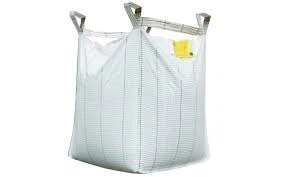
In the realm of industrial packaging, conductive bulk bags have emerged as a vital solution for handling and transporting a wide range of materials. As a leading supplier of Conductive Bulk Bag, I've witnessed firsthand the diverse environments in which these bags operate. One such challenging environment is high humidity, which can significantly impact the performance of various products. In this blog, I'll delve into how conductive bulk bags perform in high - humidity settings, exploring the science behind their functionality and the practical implications for users.
Understanding Conductive Bulk Bags
Before we explore their performance in high humidity, let's briefly understand what conductive bulk bags are. Conductive bulk bags are specialized containers designed to safely store and transport flammable or combustible powders, granules, and other materials. Unlike regular bulk bags, conductive bulk bags are made with materials that have conductive properties. These conductive elements help to dissipate static electricity, reducing the risk of electrostatic discharge (ESD) that could potentially ignite flammable substances.
The conductive materials used in these bags are typically carbon - based or metal - coated fibers integrated into the fabric. These fibers create a conductive path that allows static charges to flow safely to the ground, preventing the buildup of static electricity that could lead to dangerous sparks.
The Impact of High Humidity on Conductive Bulk Bags
High - humidity environments can have both positive and negative effects on the performance of conductive bulk bags.
Positive Effects
- Enhanced Conductivity: Water is a good conductor of electricity. In high - humidity conditions, the moisture in the air can be absorbed by the conductive fibers in the bulk bag. This absorbed moisture can enhance the bag's conductivity by providing an additional path for the flow of electric charges. As a result, the bag may be more effective at dissipating static electricity, reducing the risk of ESD.
- Reduced Static Generation: High humidity can also reduce the generation of static electricity in the first place. When the air is moist, the friction between materials is less likely to generate static charges. This means that the overall risk of static buildup in the bag and the surrounding environment is lower.
Negative Effects
- Material Degradation: Prolonged exposure to high humidity can cause the conductive fibers in the bag to degrade. The moisture can react with the fibers, leading to corrosion or chemical changes that may reduce their conductivity over time. For example, metal - coated fibers may rust, and carbon - based fibers may lose their structural integrity.
- Weakening of the Bag Structure: High humidity can also affect the overall strength and integrity of the bulk bag. The fabric of the bag may absorb moisture, causing it to become weaker and more prone to tearing or puncturing. This can compromise the bag's ability to safely contain and transport materials.
- Mold and Mildew Growth: Moisture is a breeding ground for mold and mildew. If the bulk bags are stored in a high - humidity environment for an extended period, mold and mildew can grow on the bag's surface. This not only affects the bag's appearance but can also weaken the fabric and pose a health risk to workers handling the bags.
Maintaining Performance in High - Humidity Environments
To ensure that conductive bulk bags perform effectively in high - humidity environments, several measures can be taken.
Proper Storage
- Climate - Controlled Storage: Store the bulk bags in a climate - controlled environment where the humidity levels can be regulated. This can prevent excessive moisture absorption and protect the conductive fibers from degradation.
- Elevated Storage: Keep the bags off the ground to prevent direct contact with moisture. Using pallets or racks can help ensure proper air circulation around the bags and reduce the risk of moisture accumulation.
Regular Inspections
- Visual Inspections: Conduct regular visual inspections of the bags to check for signs of material degradation, such as rust on metal - coated fibers or discoloration of the fabric. Any damaged bags should be replaced immediately to maintain safety.
- Conductivity Testing: Periodically test the conductivity of the bags using specialized equipment. This can help detect any changes in the bag's conductive properties and ensure that they are still effective at dissipating static electricity.
Protective Coatings
Applying protective coatings to the conductive bulk bags can help enhance their resistance to moisture and prevent material degradation. These coatings can act as a barrier, reducing the amount of moisture that the bag's fabric absorbs.
Comparison with Anti - static Bulk Bags
It's important to note the difference between conductive bulk bags and Anti - static Bulk Bag. Anti - static bulk bags are designed to reduce the generation of static electricity, but they do not have the same level of conductivity as conductive bulk bags. In high - humidity environments, anti - static bags may rely more on the moisture - related reduction of static generation rather than active dissipation of charges.

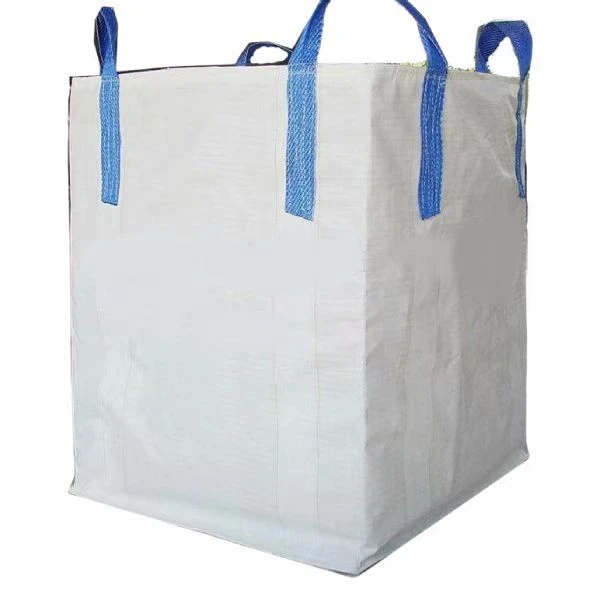
Conductive bulk bags, on the other hand, are better equipped to handle static electricity in all conditions, including high humidity. Their conductive fibers provide a reliable path for charge dissipation, even when the humidity levels are fluctuating.
Real - World Applications and Case Studies
In industries such as chemical manufacturing, pharmaceuticals, and food processing, conductive bulk bags are commonly used to transport and store sensitive materials. In high - humidity regions, these industries have faced unique challenges in ensuring the safe use of these bags.
For example, a chemical manufacturing plant in a coastal area with high humidity reported that their conductive bulk bags were initially performing well. However, after several months of use, they noticed a decrease in the bags' conductivity. Through regular inspections and conductivity testing, they were able to identify the issue as fiber degradation due to high humidity. The plant then implemented a climate - controlled storage system and replaced the damaged bags, which helped to restore the bags' performance and maintain a safe working environment.
Conclusion
Conductive bulk bags can perform well in high - humidity environments, thanks to the enhanced conductivity and reduced static generation that high humidity can provide. However, these environments also pose challenges such as material degradation, weakening of the bag structure, and mold growth. By understanding these effects and taking appropriate measures to maintain the bags, users can ensure the continued safe and effective use of conductive bulk bags.
As a supplier of Conductive Bulk Bag, I am committed to providing high - quality products that meet the needs of our customers in diverse environments. If you are interested in learning more about our conductive bulk bags or need assistance in choosing the right solution for your high - humidity application, I encourage you to contact us for a detailed discussion and procurement negotiation.
References
- "Handbook of Industrial Packaging", Second Edition, edited by Charles A. Kealey
- "Static Electricity in Industry: Prevention and Control Measures" by E. A. C. Davies