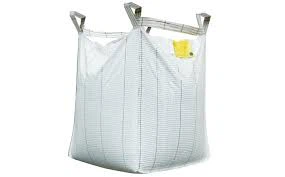
Hey there! I'm a supplier of Paper - plastic Composite Flat Open Bags. Over the years, I've learned a thing or two about optimizing the production process of these bags. In this blog, I'll share some tips and tricks that can help make your production more efficient, cost - effective, and high - quality.
Understanding the Basics
First off, let's quickly go over what Paper - plastic Composite Flat Open Bags are. These bags are a combination of paper and plastic materials, which gives them the strength and durability of plastic along with the eco - friendly appeal of paper. They're commonly used for packaging a wide range of products, from food items to industrial goods. You can check out more details about these bags on this page: Paper - plastic Composite Flat Open Bag.
Raw Material Selection
The quality of your raw materials has a huge impact on the final product. When it comes to paper, you want to choose a type that has good tear resistance and printability. Kraft paper is a popular choice because it's strong and can be easily customized with printing. For the plastic component, polyethylene (PE) is often used due to its flexibility and moisture - resistance.
It's also important to source your materials from reliable suppliers. Build long - term relationships with them, so you can get consistent quality and potentially negotiate better prices. Don't be afraid to test different materials and suppliers to find the best fit for your production.
Equipment Upgrades
Outdated equipment can slow down your production process and lead to inconsistent quality. Investing in modern machinery can make a world of difference. For example, a high - speed bag - making machine can significantly increase your production output. It can also offer more precise cutting and sealing, which means fewer defective bags.
Automation is another key aspect. Automated systems can handle tasks like material feeding, printing, and bag folding with greater accuracy and speed. This reduces the need for manual labor, which not only saves time but also minimizes the risk of human error.
Process Optimization
Streamlining your production process is crucial. Start by mapping out your current process from start to finish. Identify any bottlenecks or areas where there's a lot of waste. For instance, if there's a long waiting time between the printing and sealing steps, you might need to adjust your workflow.
One way to optimize is to use a just - in - time (JIT) inventory system. This means ordering and receiving raw materials exactly when you need them, which reduces inventory costs and storage space. You can also implement a quality control system at every stage of the production process. This helps catch any defects early on, so you don't waste time and resources on faulty products.
Staff Training
Your employees are the backbone of your production. Make sure they're well - trained on how to operate the equipment and follow the production process. Regular training sessions can keep them up - to - date with the latest techniques and safety procedures.
Encourage your staff to share their ideas for improvement. They're the ones on the front lines, so they might have valuable insights into how to make the process more efficient. You can even set up an incentive program to reward employees for coming up with innovative solutions.
Quality Control
Quality control is non - negotiable. Besides the in - process quality checks I mentioned earlier, you should also have a final inspection before the bags are shipped out. This can involve checking for things like proper sealing, accurate printing, and the overall appearance of the bags.
Use quality control tools like statistical process control (SPC) to monitor your production process. SPC helps you identify trends and variations in your product quality, so you can take corrective action before it's too late.
Product Diversification
In addition to the standard Paper - plastic Composite Flat Open Bags, you might want to consider expanding your product line. For example, Paper - plastic Composite Printed Bag and Paper - plastic Composite Crepe Paper Sewn Bottom Bag are two popular options.
Diversifying your products can open up new markets and increase your customer base. It also allows you to make better use of your production equipment and resources.
Cost Management
Cost management is always a concern in production. Look for ways to reduce costs without sacrificing quality. One way is to optimize your energy consumption. You can invest in energy - efficient equipment or adjust your production schedule to take advantage of off - peak electricity rates.
Another area to focus on is waste reduction. Minimize scrap materials by improving your cutting patterns and reducing the amount of over - production. You can also recycle any waste materials that are generated during the production process.
Environmental Considerations
In today's world, environmental sustainability is important. Customers are becoming more conscious of the environmental impact of the products they buy. You can make your Paper - plastic Composite Flat Open Bags more eco - friendly by using biodegradable or recyclable materials.
You can also implement green manufacturing practices, such as reducing water usage and emissions. This not only helps the environment but can also improve your brand image and attract more environmentally - conscious customers.
Conclusion
Optimizing the production process of Paper - plastic Composite Flat Open Bags is a continuous journey. By focusing on raw material selection, equipment upgrades, process optimization, staff training, quality control, product diversification, cost management, and environmental considerations, you can make your production more efficient, cost - effective, and sustainable.
If you're interested in purchasing high - quality Paper - plastic Composite Flat Open Bags or want to discuss how we can optimize your production process further, feel free to reach out. We're always happy to have a chat and explore potential business opportunities.


References
- "Packaging Materials: Science and Technology" by Han - Joong Kim
- "Lean Manufacturing: Tools and Techniques for Process Improvement" by Mark Graban