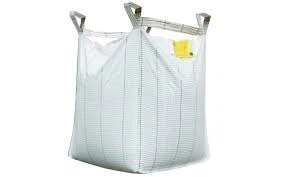
Anti-static bulk bags, also known as FIBCs (Flexible Intermediate Bulk Containers), are essential in various industries for safely storing and transporting a wide range of materials. As a supplier of anti-static bulk bags, I have witnessed firsthand how these specialized containers interact with different types of materials. In this blog, I will delve into the science behind these interactions and explore how anti-static bulk bags can be the ideal solution for your specific material handling needs.
Understanding Anti-Static Bulk Bags
Before we discuss how anti-static bulk bags interact with different materials, it's important to understand what makes them unique. Anti-static bulk bags are designed to prevent the buildup and discharge of static electricity. Static electricity can be a significant hazard in industries dealing with flammable or combustible materials, as it can cause sparks that may ignite these substances.
There are two main types of anti-static bulk bags: conductive and dissipative. Conductive bulk bags are made with materials that allow electricity to flow freely through them, quickly dissipating any static charges. These bags are typically used in applications where the risk of explosion or fire is high. You can learn more about conductive bulk bags by visiting Conductive Bulk Bag.
Dissipative bulk bags, on the other hand, are made with materials that have a high resistance to the flow of electricity. They slow down the dissipation of static charges, reducing the risk of sparks. These bags are commonly used in less hazardous environments where a slower dissipation of static electricity is acceptable.
Interaction with Flammable and Combustible Materials
One of the most critical applications of anti-static bulk bags is in handling flammable and combustible materials. These materials include powders, granules, and liquids that can easily catch fire or explode when exposed to a spark. Anti-static bulk bags play a crucial role in preventing static electricity from building up during the filling, storage, and transportation of these materials.
When a flammable or combustible material is poured into an anti-static bulk bag, the bag's conductive or dissipative properties ensure that any static charges generated during the process are safely dissipated. This reduces the risk of a static spark igniting the material, protecting both the product and the workers handling it.
For example, in the chemical industry, anti-static bulk bags are used to transport and store solvents, paints, and other flammable liquids. The bags' anti-static properties prevent static electricity from building up as the liquid is poured in or out of the bag, minimizing the risk of a fire or explosion.
Interaction with Powdery Materials
Powdery materials, such as flour, sugar, and pharmaceutical powders, are prone to static electricity buildup due to their small particle size and high surface area. When these powders are poured or agitated, the friction between the particles can generate static charges. Anti-static bulk bags are an effective solution for handling these materials.
The anti-static properties of the bags help to prevent the powders from sticking to the bag's inner surface, which can cause blockages and make it difficult to empty the bag. Additionally, by dissipating static charges, the bags reduce the risk of dust explosions, which can occur when a cloud of fine powder is ignited by a static spark.
In the food industry, Food Grade Bulk Bag are used to store and transport various powders. These bags are not only anti-static but also meet strict food safety standards, ensuring that the food products remain safe and uncontaminated. You can also find more information about food grade bulk bag factories at Food Grade Bulk Bag.
Interaction with Electronic Components
In the electronics industry, static electricity can cause significant damage to sensitive electronic components. Even a small static discharge can fry a microchip or disrupt the functionality of an electronic device. Anti-static bulk bags are used to protect these components during storage and transportation.
The bags' anti-static properties prevent static charges from building up on the surface of the components, reducing the risk of electrostatic discharge (ESD) damage. This is especially important for high-value electronic products, such as smartphones, laptops, and medical devices.
When electronic components are placed inside an anti-static bulk bag, the bag acts as a shield, preventing external static charges from reaching the components. Additionally, any static charges generated within the bag are safely dissipated, ensuring the components remain in good working condition.
Interaction with Hygroscopic Materials
Hygroscopic materials, such as salt, sugar, and certain chemicals, have a tendency to absorb moisture from the surrounding environment. This can cause the materials to clump together, making them difficult to handle and reducing their quality. Anti-static bulk bags can help to mitigate this problem.
The bags' anti-static properties prevent the hygroscopic materials from sticking to the bag's inner surface, which can trap moisture and accelerate the clumping process. Additionally, some anti-static bulk bags are made with moisture-resistant materials, providing an extra layer of protection against moisture absorption.
Factors Affecting the Interaction
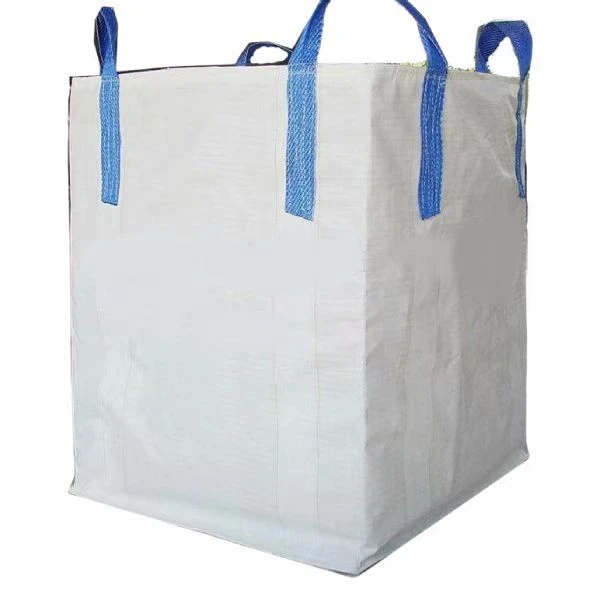
Several factors can affect how anti-static bulk bags interact with different materials. These include the type of material, the humidity level, the filling and emptying process, and the storage conditions.
The type of material is perhaps the most important factor. Different materials have different electrical properties, which can affect how static charges are generated and dissipated. For example, powders with a high surface area are more likely to generate static charges than larger granules.

The humidity level also plays a significant role. In a high-humidity environment, the moisture in the air can help to dissipate static charges more quickly. However, in a low-humidity environment, static charges are more likely to build up.
The filling and emptying process can also generate static charges. For example, pouring a material into a bag at a high speed can create more friction and generate more static charges than a slower filling process.
Finally, the storage conditions can affect the performance of anti-static bulk bags. Bags stored in a hot and dry environment may be more prone to static charge buildup than those stored in a cool and humid environment.
Choosing the Right Anti-Static Bulk Bag
When choosing an anti-static bulk bag for your specific material handling needs, it's important to consider several factors. These include the type of material, the level of static hazard, the size and capacity of the bag, and the regulatory requirements.
If you are handling flammable or combustible materials, a conductive bulk bag is usually the best choice. These bags provide the highest level of protection against static electricity and are designed to meet strict safety standards.
For less hazardous materials, a dissipative bulk bag may be sufficient. These bags are more cost-effective and can still provide adequate protection against static charge buildup.
The size and capacity of the bag should also be considered. You need to choose a bag that can hold the required amount of material without being overfilled. Overfilling a bag can increase the risk of static charge buildup and may also cause the bag to burst.
Finally, make sure the bag meets all the relevant regulatory requirements. Different industries may have different standards and regulations regarding the use of anti-static bulk bags.
Conclusion
Anti-static bulk bags play a crucial role in safely handling a wide range of materials. Their ability to prevent static electricity buildup and discharge makes them an essential tool in industries where static electricity can pose a significant hazard. Whether you are dealing with flammable materials, powdery substances, electronic components, or hygroscopic materials, there is an anti-static bulk bag that can meet your specific needs.
As a supplier of anti-static bulk bags, I am committed to providing high-quality products that offer reliable protection against static electricity. If you are interested in learning more about our anti-static bulk bags or would like to discuss your specific material handling requirements, please feel free to contact us. We would be happy to assist you in choosing the right bag for your needs and provide you with a competitive quote.
References
- ASTM International. (2023). Standard Specification for Flexible Intermediate Bulk Containers (FIBCs) for Packaging.
- International Electrotechnical Commission (IEC). (2022). IEC 61340-5-1: Electrostatics - Part 5-1: Protection of electronic devices from electrostatic phenomena - General requirements.
- National Fire Protection Association (NFPA). (2021). NFPA 77: Recommended Practice on Static Electricity.