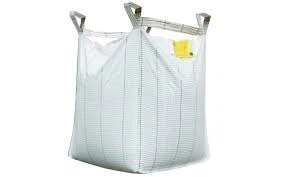
As a supplier of Paper - plastic Composite M - fold Open Bags, I often get asked about the energy consumption involved in their production. In this blog, I'll delve into the various aspects of energy consumption during the manufacturing process of these bags.
Raw Material Preparation
The first step in producing Paper - plastic Composite M - fold Open Bags is the preparation of raw materials. The two main components are paper and plastic.
Paper Production
The paper used in our bags is typically sourced from sustainable forests. The process of turning wood pulp into paper requires a significant amount of energy. Pulping, which involves breaking down wood chips into fibers, is an energy - intensive operation. It usually requires large amounts of steam and electricity to heat the wood chips and operate the pulping machinery. According to industry reports, the pulping process can consume up to 2 - 3 megawatt - hours (MWh) of electricity per ton of pulp produced.
After pulping, the paper is formed on a paper machine. This machine uses rollers, presses, and dryers to remove water from the pulp and form a continuous sheet of paper. The drying process is particularly energy - hungry, as it involves heating the paper to evaporate the remaining water. On average, the energy consumption for drying one ton of paper can be around 4 - 5 MWh of thermal energy.
Plastic Production
The plastic component in our paper - plastic composite bags is often polyethylene or polypropylene. The production of these plastics starts with the extraction and refining of petroleum or natural gas. The refining process is energy - intensive, as it involves distillation, cracking, and polymerization reactions.
The polymerization process, which turns monomers into polymers, requires high temperatures and pressures. For example, the production of polyethylene can consume around 7 - 8 MWh of energy per ton of plastic produced. Additionally, the plastic pellets need to be melted and extruded into films, which also requires a significant amount of heat and electricity.
Composite Lamination
Once the paper and plastic materials are prepared, they need to be laminated together to form the composite material. The lamination process involves applying an adhesive between the paper and plastic layers and then bonding them under pressure and heat.


The adhesive application and bonding process require precise temperature and pressure control. Heating the adhesive to its optimal bonding temperature and maintaining the pressure during the lamination process consume energy. On average, the energy consumption for laminating one square meter of paper - plastic composite material can be around 0.1 - 0.2 kilowatt - hours (kWh).
Bag Manufacturing
After the composite material is ready, it is cut and folded into the M - fold open bag shape. The cutting process uses cutting machines, which are powered by electricity. The energy consumption of a typical cutting machine depends on its size and power rating, but it can be around 0.05 - 0.1 kWh per bag, depending on the complexity of the cutting pattern.
The folding process is also energy - consuming. Folding machines use motors to drive the folding mechanisms and maintain the correct folding angles. The energy consumption for folding one bag can be around 0.03 - 0.05 kWh.
Printing (Optional)
If the customer requests printed bags, an additional energy - consuming step is involved. Printing on paper - plastic composite bags can be done using flexographic, gravure, or digital printing methods.
Flexographic and gravure printing require the use of printing plates and inks. The preparation of printing plates involves chemical etching and drying processes, which consume energy. The printing process itself also requires electricity to power the printing presses, ink pumps, and drying systems. On average, the energy consumption for printing one bag can be around 0.08 - 0.12 kWh, depending on the printing area and the number of colors.
Digital printing, on the other hand, is more energy - efficient in some aspects as it does not require the preparation of printing plates. However, it still consumes electricity to power the digital printing heads and the associated control systems.
Energy - Saving Measures
At our company, we are committed to reducing the energy consumption in the production of Paper - plastic Composite M - fold Open Bags. We have implemented several energy - saving measures:
- Upgrading Equipment: We have invested in modern, energy - efficient machinery. Newer pulping, drying, and laminating machines are designed to consume less energy while maintaining high production efficiency.
- Recycling and Reusing: We recycle waste paper and plastic materials generated during the production process. By reusing these materials, we reduce the need for virgin raw materials, which in turn reduces the overall energy consumption.
- Renewable Energy Sources: We are gradually transitioning to using renewable energy sources such as solar and wind power in our production facilities. This not only reduces our carbon footprint but also helps to lower our energy costs in the long run.
Product Diversification
In addition to the standard Paper - plastic Composite M - fold Open Bags, we also offer a range of related products, such as Paper - plastic Composite Square Bottom M - fold Bag, Paper - plastic Composite Tear - open Bag, and Paper - plastic Composite Printed Bag. The energy consumption for these products is similar to that of the standard M - fold open bags, but it may vary depending on the specific design and production requirements.
Conclusion
The production of Paper - plastic Composite M - fold Open Bags involves multiple energy - consuming steps, from raw material preparation to bag manufacturing. However, through the implementation of energy - saving measures and the use of renewable energy sources, we can reduce the environmental impact of our production process.
If you are interested in our Paper - plastic Composite M - fold Open Bags or any of our other products, we invite you to contact us for procurement and further discussions. We are committed to providing high - quality products at competitive prices while minimizing our energy consumption and environmental footprint.
References
- "Energy Consumption in the Pulp and Paper Industry", International Energy Agency
- "Plastic Production and Energy Efficiency", American Chemistry Council
- "Lamination Processes and Energy Requirements", Journal of Packaging Technology