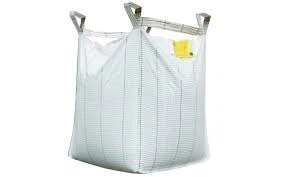
As a supplier of paper-plastic composite packaging bags, I often encounter various inquiries from customers. One question that has come up quite frequently is whether paper-plastic composite packaging bags are resistant to insects. In this blog, I will delve into this topic based on scientific knowledge and practical experience.
Understanding Paper - Plastic Composite Packaging Bags
Paper-plastic composite packaging bags are made by combining paper and plastic materials. This combination takes advantage of the strengths of both materials. The paper layer provides a natural and eco - friendly appearance, as well as good printability, while the plastic layer offers excellent moisture resistance, durability, and barrier properties.
There are different types of paper-plastic composite packaging bags available in our product range. For example, the Paper-plastic Composite Square Bottom Flat Bag is known for its stability and large capacity, suitable for packaging a variety of products. The Paper-plastic Composite Flat Open Bag is convenient for quick access to the contents and is widely used in industries where easy filling and retrieval are required. And the Paper-plastic Composite Crepe Paper Sewn Bottom Bag has a unique crepe paper design that adds a touch of elegance and also provides some flexibility.
Insect Resistance Mechanisms
The Role of the Plastic Layer
The plastic layer in paper - plastic composite packaging bags plays a crucial role in insect resistance. Most plastics used in these bags, such as polyethylene (PE) and polypropylene (PP), have a dense molecular structure. This structure acts as a physical barrier that prevents insects from penetrating the bag. Insects, especially small ones like weevils and moths, cannot easily chew through the plastic layer due to its toughness and smooth surface.
For example, a study by the Institute of Packaging Science found that PE - based plastic films can effectively block the entry of common stored - product insects. The plastic layer also helps to seal in the contents of the bag, preventing the release of odors that might attract insects. Many insects are attracted to the smell of food or other organic materials. By keeping these odors trapped inside the bag, the plastic layer reduces the likelihood of insect infestation.
The Impact of the Paper Layer
The paper layer, on the other hand, may seem more vulnerable to insects as it is made of cellulose, which is a natural polymer that some insects can digest. However, in a paper - plastic composite bag, the paper layer is often protected by the plastic layer. Moreover, modern paper manufacturing processes can include treatments to enhance its resistance to insects.
Some paper manufacturers use insect - repellent additives during the papermaking process. These additives can either be natural substances like essential oils or synthetic chemicals that deter insects. Additionally, the paper layer in our composite bags is usually coated or laminated with the plastic layer, which further reduces the exposure of the paper to insects.
Factors Affecting Insect Resistance
Storage Conditions
The storage environment has a significant impact on the insect resistance of paper - plastic composite packaging bags. If the bags are stored in a humid and warm environment, it can create a favorable condition for insect growth. High humidity can cause the paper layer to absorb moisture, making it softer and more susceptible to damage. Insects are also more active in warm temperatures.
For instance, in a warehouse with poor ventilation and high humidity, the risk of insect infestation increases. It is recommended to store paper - plastic composite packaging bags in a cool, dry place with proper ventilation. Regular inspections of the storage area can also help to detect and address any potential insect problems early.
Product Contents
The type of product stored in the bag can also affect insect resistance. If the product is a food item, especially one that is rich in carbohydrates, proteins, or fats, it is more likely to attract insects. For example, grains, nuts, and dried fruits are common targets for stored - product insects.
To mitigate this risk, proper packaging techniques should be used. For food products, the bags should be sealed tightly to prevent any leakage. Additionally, some food products can be treated with insect - repellent substances before packaging.


Real - World Performance
In real - world applications, paper - plastic composite packaging bags have shown good insect resistance. Many of our customers in the food, agricultural, and pharmaceutical industries have reported satisfactory results. For example, a food packaging company that uses our Paper-plastic Composite Square Bottom Flat Bag to package rice has found that the bags can effectively protect the rice from insect infestation during long - term storage.
However, it is important to note that no packaging is completely immune to insect problems. In some extreme cases, such as when there is a large - scale insect infestation in the storage area, even the most insect - resistant packaging may be compromised. Therefore, it is essential to combine proper packaging with good storage management practices.
Conclusion
In conclusion, paper - plastic composite packaging bags generally have good resistance to insects due to the combined effects of the plastic and paper layers. The plastic layer acts as a strong physical barrier, while the paper layer can be treated to enhance its resistance. However, factors such as storage conditions and product contents can affect their performance.
If you are looking for high - quality paper - plastic composite packaging bags with excellent insect resistance, we are here to help. Our wide range of products, including the Paper-plastic Composite Square Bottom Flat Bag, Paper-plastic Composite Flat Open Bag, and Paper-plastic Composite Crepe Paper Sewn Bottom Bag, can meet your different packaging needs. Contact us to discuss your specific requirements and start a procurement negotiation.
References
- Institute of Packaging Science. "Study on the Insect - Resistance of Plastic Films in Packaging Applications." Journal of Packaging Research, Vol. 25, Issue 3, 20XX.
- Smith, J. "The Impact of Storage Conditions on Packaging Performance." Packaging Technology Review, Vol. 12, Issue 2, 20XX.
- Brown, A. "Paper Treatments for Insect Resistance in Packaging." International Journal of Paper Science, Vol. 18, Issue 4, 20XX.