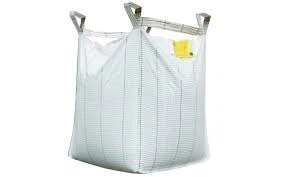
When it comes to purchasing bulk bags, one of the common questions that businesses often grapple with is whether anti - static bulk bags are more expensive than regular bulk bags. As a supplier of Anti - static Bulk Bags, I'm well - positioned to delve into this topic and provide a comprehensive analysis.
Understanding the Basics: Regular vs. Anti - static Bulk Bags
Regular bulk bags, also known as standard bulk bags or FIBCs (Flexible Intermediate Bulk Containers), are widely used for storing and transporting a variety of dry, flowable products such as grains, sand, and other non - hazardous goods. They are typically made from woven polypropylene fabric, which is strong, durable, and cost - effective. These bags are designed to handle large volumes of materials efficiently, making them a popular choice in many industries.
On the other hand, Anti - static Bulk Bag are engineered to prevent the build - up and discharge of static electricity. Static electricity can pose significant risks in certain industries, such as those dealing with flammable or combustible materials. When static charges accumulate on the surface of a bulk bag, they can generate sparks, which may ignite volatile substances, leading to fires or explosions. Anti - static bulk bags are made with special materials or treatments that dissipate static charges safely, reducing the risk of electrostatic discharge (ESD).
Factors Affecting the Cost
Material Costs
The primary factor contributing to the difference in cost between anti - static and regular bulk bags is the material. Regular bulk bags are made from standard woven polypropylene, which is relatively inexpensive and readily available. The manufacturing process for these bags is straightforward, involving weaving the polypropylene fabric and then assembling it into the desired bag shape.
In contrast, anti - static bulk bags require additional materials or treatments to achieve their anti - static properties. Some anti - static bags are made with conductive fibers woven into the polypropylene fabric. These conductive fibers create a path for the static charges to flow safely to the ground. Other bags may be treated with anti - static chemicals that help to dissipate static electricity. Both the conductive fibers and the anti - static chemicals add to the material cost of the bag.
Manufacturing Complexity
The manufacturing process for anti - static bulk bags is more complex than that of regular bulk bags. When incorporating conductive fibers, manufacturers need to ensure that the fibers are evenly distributed throughout the fabric to provide consistent anti - static performance. This may require specialized weaving equipment and techniques.
The application of anti - static treatments also adds an extra step to the manufacturing process. The chemicals need to be applied evenly to the fabric, and proper curing or drying procedures must be followed to ensure the effectiveness of the treatment. These additional manufacturing steps increase the production time and labor costs associated with anti - static bulk bags.
Testing and Certification
Anti - static bulk bags are often required to meet strict safety standards and regulations, especially in industries where the risk of ESD is high. Manufacturers need to conduct various tests to ensure that the bags meet these standards. These tests may include measuring the surface resistance of the bag, evaluating the effectiveness of the anti - static treatment, and checking for any potential sources of static generation.
Obtaining certification for anti - static bulk bags can also be a costly process. Certification bodies may charge fees for testing and issuing certificates, and manufacturers need to maintain strict quality control measures to keep their products compliant. Regular bulk bags, on the other hand, may not require such extensive testing and certification, which further contributes to the cost difference.
Pricing Comparison in the Market
In general, anti - static bulk bags are more expensive than regular bulk bags. The price difference can vary depending on several factors, such as the size of the bag, the specific anti - static technology used, and the quantity ordered.
For small - scale orders, the price premium for anti - static bulk bags can be quite significant. This is because the fixed costs associated with manufacturing, testing, and certification are spread over a smaller number of units. However, as the order quantity increases, the price per unit of anti - static bulk bags tends to decrease. Larger orders allow manufacturers to achieve economies of scale, reducing the overall cost per bag.
It's also important to note that the cost of anti - static bulk bags may be offset by the potential savings in terms of safety and risk management. In industries where the consequences of an ESD event can be catastrophic, such as the chemical, pharmaceutical, and food industries, the investment in anti - static bulk bags is often considered a necessary expense.
Applications and Value Proposition
Anti - static bulk bags are essential in industries where the presence of static electricity can pose a serious threat. For example, in the Food Grade Bulk Bag industry, anti - static bags are used to transport and store powdered ingredients, such as flour and sugar. Static electricity can cause these powders to clump together, affecting the quality of the product. Anti - static bags help to prevent this from happening, ensuring that the ingredients remain free - flowing and of high quality.
In the chemical and pharmaceutical industries, anti - static bulk bags are used to handle flammable and explosive materials. The risk of an ESD event in these industries is extremely high, and the use of anti - static bags is a critical safety measure. By investing in anti - static bulk bags, companies can protect their employees, their facilities, and their products from the potentially devastating effects of static electricity.
Conductive Bulk Bag are another type of specialized bulk bag that is closely related to anti - static bags. Conductive bags are designed to conduct static electricity away from the bag and its contents, providing an even higher level of protection against ESD. These bags are often used in applications where the risk of static ignition is particularly high.
Making the Right Decision
When deciding whether to choose anti - static or regular bulk bags, businesses need to consider several factors. First and foremost, they need to assess the risk of static electricity in their operations. If the materials being transported or stored are flammable, combustible, or sensitive to static charges, then anti - static bulk bags are a must.
Cost is also an important consideration. While anti - static bulk bags are more expensive, businesses need to weigh the upfront cost against the potential savings in terms of safety and product quality. In some cases, the cost of an ESD event, including damage to equipment, loss of product, and potential legal liabilities, can far exceed the price difference between anti - static and regular bulk bags.


Finally, businesses should also consider the long - term benefits of using anti - static bulk bags. By investing in high - quality anti - static bags, they can improve the efficiency of their operations, reduce the risk of product damage, and enhance the safety of their workplace.
Contact for Purchase and Negotiation
If you are interested in learning more about our Anti - static Bulk Bags or would like to discuss your specific requirements, please feel free to reach out. We are committed to providing our customers with the highest quality products and the best possible service. Whether you need a small quantity for a trial run or a large - scale order for your ongoing operations, we can work with you to find the most suitable solution at a competitive price.
References
- "Flexible Intermediate Bulk Containers (FIBCs): A Guide to Safe Use." International Safety Equipment Association.
- "Static Electricity in the Workplace: Prevention and Control." Occupational Safety and Health Administration (OSHA).
- "Anti - Static Packaging Handbook." Electrostatic Discharge Association (ESDA).