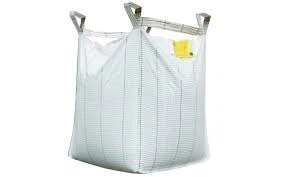
As a supplier of Paper - plastic Composite Flat Open Bags, I understand the importance of reducing production costs in today's competitive market. High production costs can eat into profit margins and make our products less competitive. In this blog post, I will share some effective strategies on how to reduce the production cost of Paper - plastic Composite Flat Open Bags.
1. Raw Material Sourcing
One of the most significant factors in the production cost of Paper - plastic Composite Flat Open Bags is the cost of raw materials. To reduce these costs, we can start by optimizing our raw material sourcing.
- Supplier Negotiation: Establish long - term relationships with reliable raw material suppliers. By committing to larger volume purchases over an extended period, we can negotiate better prices. For example, if we can guarantee a certain amount of paper and plastic film purchases per month or year, suppliers may be willing to offer discounts. Additionally, we can explore the possibility of joint promotions or cost - sharing initiatives with suppliers to further reduce the cost per unit of raw materials.
- Alternative Materials: Look for alternative raw materials that can provide similar performance at a lower cost. There are often new types of paper or plastic films emerging in the market that are more cost - effective. For instance, some recycled paper products can be used in the production of Paper - plastic Composite Flat Open Bags without sacrificing too much on quality. These recycled materials are usually cheaper than virgin materials, and using them can also enhance our brand's environmental image.
- Bulk Purchasing: Buying raw materials in bulk is a classic way to reduce costs. When we purchase large quantities, we can take advantage of economies of scale. The cost per unit of raw materials typically decreases as the order volume increases. However, we need to be careful about inventory management to avoid overstocking, which can lead to additional storage costs.
2. Production Process Optimization
The production process of Paper - plastic Composite Flat Open Bags can be optimized to reduce costs in several ways.
- Automation: Invest in automated production equipment. Automation can significantly increase production efficiency and reduce labor costs. For example, automated bag - making machines can produce Paper - plastic Composite Flat Open Bags at a much faster rate than manual labor. These machines can perform tasks such as cutting, sealing, and printing with high precision, reducing the number of defective products. Although the initial investment in automation is high, the long - term cost savings are substantial.
- Process Streamlining: Analyze the production process carefully to identify any unnecessary steps or bottlenecks. By eliminating redundant operations and optimizing the workflow, we can reduce production time and costs. For instance, we can re - arrange the layout of the production line to minimize the movement of materials and products, which can save time and energy.
- Quality Control: Implement a strict quality control system at every stage of the production process. By detecting and correcting quality issues early, we can avoid the cost of rework or scrap. For example, using in - line inspection equipment to check the quality of the paper - plastic composite during the production process can prevent defective products from reaching the next stage of production.
3. Energy Management
Energy consumption is another significant cost factor in the production of Paper - plastic Composite Flat Open Bags.
- Energy - Efficient Equipment: Replace old and energy - consuming equipment with new, energy - efficient models. Modern bag - making machines are designed to consume less energy while maintaining high production efficiency. For example, some machines use advanced motor control systems that can adjust the power consumption according to the actual production needs.
- Renewable Energy Sources: Consider using renewable energy sources such as solar panels or wind turbines to power the production facility. Although the initial installation cost of renewable energy systems is high, the long - term savings on energy bills can be significant. Moreover, using renewable energy can also enhance our company's environmental reputation.
- Energy Management System: Implement an energy management system to monitor and control energy consumption. This system can help us identify areas where energy is being wasted and take corrective actions. For example, we can set up timers to turn off equipment when it is not in use or adjust the temperature and lighting in the production facility to optimize energy consumption.
4. Inventory Management
Effective inventory management is crucial for reducing the production cost of Paper - plastic Composite Flat Open Bags.
- Just - in - Time (JIT) Inventory: Adopt a Just - in - Time inventory system. With JIT, we only order and receive raw materials and components as they are needed in the production process. This can reduce inventory holding costs and the risk of inventory obsolescence. For example, instead of keeping a large stock of paper and plastic films in the warehouse, we can arrange for suppliers to deliver the required materials just in time for production.
- Inventory Forecasting: Use accurate inventory forecasting methods to ensure that we have the right amount of inventory at all times. By analyzing historical sales data, market trends, and customer demand forecasts, we can predict the future demand for Paper - plastic Composite Flat Open Bags more accurately. This allows us to adjust our inventory levels accordingly and avoid overstocking or understocking.
- Inventory Rotation: Implement a first - in, first - out (FIFO) inventory rotation system. This ensures that the oldest inventory is used first, reducing the risk of product spoilage or degradation. In the case of Paper - plastic Composite Flat Open Bags, using the oldest materials first can help maintain product quality and prevent waste.
5. Product Design
The design of Paper - plastic Composite Flat Open Bags can also have an impact on production costs.
- Simplified Design: Simplify the design of the bags. Complicated designs often require more time and resources to produce. By reducing the number of features, colors, or patterns on the bags, we can lower the production cost. For example, a simple, single - color bag design can be produced more quickly and at a lower cost than a bag with multiple colors and complex graphics.
- Standardization: Standardize the size and specifications of Paper - plastic Composite Flat Open Bags. Standardization can increase production efficiency by allowing us to use the same production equipment and processes for different orders. It also simplifies inventory management as we only need to keep a limited number of standard - sized bags in stock.
In conclusion, reducing the production cost of Paper - plastic Composite Flat Open Bags requires a comprehensive approach that involves raw material sourcing, production process optimization, energy management, inventory management, and product design. By implementing these strategies, we can not only reduce costs but also improve the competitiveness of our products in the market.


If you are interested in our Paper - plastic Composite Flat Open Bags, or other related products such as Paper - plastic Composite M - fold Valve Bag and Paper - plastic Composite Crepe Paper Sewn Bottom Bag, please feel free to contact us for further negotiation on purchasing.
References
- [1] Smith, J. (2020). Cost - Reduction Strategies in the Packaging Industry. Journal of Packaging Science, 15(2), 34 - 45.
- [2] Johnson, A. (2019). Energy Management in Manufacturing Processes. Manufacturing Review, 22(3), 56 - 67.
- [3] Brown, C. (2018). Inventory Management Best Practices for the Packaging Sector. Packaging World, 12(4), 78 - 89.