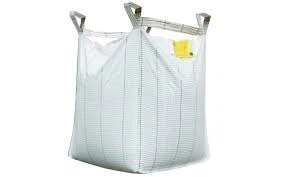
As a supplier of Paper - plastic Composite Flat Open Bags, I've encountered numerous challenges and questions from our clients, especially regarding how to handle damaged bags. In this blog, I'll share some practical methods and insights on dealing with such situations.
Understanding the Causes of Damage
Before we delve into the solutions, it's crucial to understand why these bags might get damaged. Paper - plastic composite flat open bags are widely used for packaging various products due to their durability, flexibility, and moisture - resistance. However, they are still susceptible to damage from several factors.
Physical stress is one of the most common causes. During transportation, if the bags are stacked too high or are subject to rough handling, they can be punctured or torn. Sharp objects in the storage environment, such as nails or metal edges, can also cause damage. Chemical exposure is another factor. Some substances may react with the paper or plastic components of the bag, weakening its structure over time. For instance, acidic or alkaline substances can corrode the materials.


Initial Assessment of the Damage
When you discover a damaged Paper - plastic Composite Flat Open Bag, the first step is to assess the extent of the damage. Minor damages, such as small punctures or scratches, may be repairable, while more severe damages like large tears or significant chemical degradation may require replacement.
Inspect the bag carefully to determine if the contents are affected. If the damage is limited to the outer layer and the contents remain intact, you may be able to salvage the bag. However, if the damage has compromised the integrity of the bag to the point where the contents are at risk of leakage or contamination, replacement is usually the best option.
Repairing Minor Damages
For small punctures and scratches, there are several effective repair methods. One simple approach is to use adhesive tape. Make sure to choose a tape that is compatible with both the paper and plastic materials of the bag. For example, a duct tape with good adhesion and flexibility can be a suitable choice. Clean the area around the damage first to ensure proper adhesion. Then, carefully apply the tape over the puncture or scratch, smoothing it out to remove any air bubbles.
Another option for minor damages is using a plastic patch. Cut a patch from a similar plastic material that matches the bag's plastic layer. Apply a strong adhesive to the patch and the damaged area, then press the patch firmly onto the damage. This method provides a more durable repair compared to tape, especially for areas that will be subject to more stress.
Dealing with Moderate Damages
When the damage is more significant, such as a medium - sized tear, you may need to use more advanced repair techniques. One method is to sew the tear using a strong thread. Choose a thread that is resistant to wear and tear. Start by aligning the edges of the tear as closely as possible. Then, use a simple running stitch to sew the edges together. After sewing, you can reinforce the repair with a layer of adhesive tape or a plastic patch for added strength.
If the bag has a lining, and the lining is also damaged, you may need to replace it. Carefully remove the damaged lining and cut a new lining from a suitable material. Attach the new lining to the bag using an appropriate adhesive or by sewing it in place.
When to Replace the Bag
There are situations where repair is not a viable option. If the bag has a large tear that cannot be effectively repaired, or if the damage is due to severe chemical degradation, replacement is necessary. Also, if the bag has been damaged in a way that compromises its ability to protect the contents, such as a hole near the bottom that could cause the contents to spill out, it's time to get a new bag.
As a supplier, we offer a wide range of Paper - plastic Composite Flat Open Bags to meet your needs. You can also explore our other related products, such as Lined Paper - plastic Composite Packaging Bag, Paper - plastic Composite Square Bottom Flat Bag, and Paper - plastic Composite M - fold Valve Bag.
Preventive Measures to Reduce Damage
To minimize the occurrence of damaged bags, it's important to implement preventive measures. During storage, ensure that the bags are stored in a clean, dry environment away from sharp objects and chemicals. Use proper storage racks or pallets to prevent the bags from being crushed or punctured.
When handling the bags, train your staff on proper handling techniques. Avoid dropping or throwing the bags, and use appropriate equipment such as forklifts or pallet jacks for moving heavy loads. Additionally, consider using protective packaging materials, such as foam inserts or cushioning wraps, when shipping the bags to reduce the risk of damage during transportation.
Conclusion
Handling damaged Paper - plastic Composite Flat Open Bags requires a combination of assessment, repair, and replacement strategies. By understanding the causes of damage, you can take appropriate preventive measures to reduce the likelihood of future damage. For minor damages, simple repair methods can often salvage the bag, while more severe damages may require replacement.
If you have any questions about our Paper - plastic Composite Flat Open Bags or need further advice on handling damaged bags, we encourage you to contact us for procurement and further discussions. We are committed to providing high - quality products and excellent customer service.
References
- Packaging Materials Handbook: A Guide to Selection, Performance, and Sustainability.
- Best Practices in Packaging Handling and Storage.