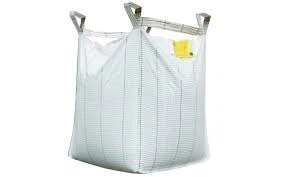
Are food grade bulk bags tear-resistant? This is a question that often comes up in the food industry, and as a supplier of Food Grade Bulk Bags, I'm here to provide a detailed and scientific answer.
Understanding Food Grade Bulk Bags
Food grade bulk bags, also known as flexible intermediate bulk containers (FIBCs), are large, flexible containers designed to store and transport dry, flowable products in bulk quantities. These bags are specifically engineered to meet strict food safety standards, ensuring that the products they hold remain uncontaminated and safe for human consumption. They are commonly used in the food industry to store and transport grains, flour, sugar, and other dry food ingredients.
Importance of Tear Resistance
Tear resistance is a crucial property for food grade bulk bags. In the food industry, these bags are often subjected to various handling processes, including filling, stacking, transporting, and unloading. During these operations, the bags may come into contact with sharp objects, rough surfaces, or experience excessive stress, which can potentially cause tears. A torn bag can lead to product spillage, contamination, and loss, which not only results in financial losses but also poses a risk to food safety. Therefore, ensuring that food grade bulk bags are tear-resistant is essential to maintain the integrity of the products they contain and to meet the high standards of the food industry.
Factors Affecting Tear Resistance
Several factors contribute to the tear resistance of food grade bulk bags. The first and most important factor is the material used in the construction of the bag. Most food grade bulk bags are made from woven polypropylene, a strong and durable synthetic material. The quality and thickness of the polypropylene fabric play a significant role in determining the tear resistance of the bag. Higher quality fabrics with a greater thickness are generally more tear-resistant.
The weaving pattern of the fabric also affects tear resistance. A tight and uniform weaving pattern can distribute stress more evenly across the bag, reducing the likelihood of tears. Additionally, the use of special coatings or laminations can enhance the tear resistance of the bag. These coatings can provide an extra layer of protection, making the bag more resistant to abrasion and punctures.
The design of the bag is another important factor. Bags with reinforced seams and corners are less likely to tear, as these areas are often the most vulnerable to stress. Some food grade bulk bags also feature additional reinforcement in high-stress areas, such as the lifting loops and the bottom of the bag, to further enhance tear resistance.
Testing Tear Resistance
To ensure that food grade bulk bags meet the required tear resistance standards, they are subjected to various testing procedures. One of the most common tests is the Elmendorf tear test, which measures the force required to propagate a tear in a fabric specimen. This test provides a quantitative measure of the tear resistance of the bag's fabric.


Another important test is the puncture resistance test, which measures the force required to puncture the bag with a sharp object. This test simulates the potential damage that the bag may encounter during handling and transportation. By conducting these tests, manufacturers can ensure that their food grade bulk bags meet the strict quality and safety standards of the food industry.
Our Commitment to Tear Resistance
As a supplier of Food Grade Bulk Bags, we are committed to providing our customers with high-quality, tear-resistant bags. We use only the highest quality woven polypropylene fabrics in the construction of our bags, and our manufacturing process ensures a tight and uniform weaving pattern. Our bags also feature reinforced seams and corners, as well as additional reinforcement in high-stress areas, to enhance tear resistance.
In addition to our standard food grade bulk bags, we also offer specialized bags with enhanced tear resistance. For example, our Conductive Bulk Bag is designed to prevent static electricity buildup, which can cause sparks and potentially damage the bag. Our Anti-static Bulk Bag is also designed to reduce the risk of static-related damage, while providing excellent tear resistance.
Conclusion
In conclusion, food grade bulk bags can be highly tear-resistant when they are made from high-quality materials, have a proper design, and are subjected to rigorous testing. As a supplier, we understand the importance of tear resistance in the food industry, and we are dedicated to providing our customers with the best possible products. If you are in the market for food grade bulk bags, we encourage you to contact us to discuss your specific requirements. Our team of experts can help you select the right bag for your needs and ensure that it meets the highest standards of quality and safety. We look forward to working with you to provide you with the best solutions for your bulk packaging needs.
References
- ASTM International. (2023). Standard Test Method for Tearing Strength of Fabrics by the Elmendorf Tear Method. ASTM D1424 - 19.
- European Federation of Bulk Bag Manufacturers and Importers. (2023). Code of Practice for the Safe Use of Flexible Intermediate Bulk Containers (FIBCs).