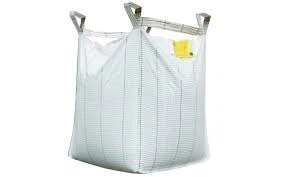
As a supplier of Paper - plastic Composite Flat Open Bags, I've often been asked about the UV resistance of these products. In this blog, I'll delve into the science behind the UV resistance of Paper - plastic Composite Flat Open Bags, exploring the factors that influence it and how it impacts their practical use.
Understanding Paper - plastic Composite Flat Open Bags
Before we discuss UV resistance, let's briefly understand what Paper - plastic Composite Flat Open Bags are. These bags are made by combining paper and plastic materials. The paper component provides a natural and eco - friendly appearance, while the plastic layer offers strength, moisture resistance, and other beneficial properties. Our Paper - plastic Composite Flat Open Bags are widely used in various industries for packaging different products, such as grains, fertilizers, and chemicals.
The Impact of UV Rays on Packaging Materials
UV rays are a part of the electromagnetic spectrum emitted by the sun. They can cause significant damage to packaging materials over time. When packaging materials are exposed to UV rays, several things can happen. For paper, UV rays can break down the cellulose fibers, causing the paper to become brittle, yellow, and lose its strength. Plastic materials are also affected by UV rays. They can undergo a process called photo - oxidation, where the UV energy breaks the chemical bonds in the plastic, leading to degradation, discoloration, and a reduction in mechanical properties.


Factors Affecting the UV Resistance of Paper - plastic Composite Flat Open Bags
1. Material Composition
The type of paper and plastic used in the composite plays a crucial role in UV resistance. Some papers are treated with special additives to enhance their UV resistance. For example, papers with a high lignin content are more susceptible to UV damage because lignin absorbs UV light and breaks down. On the other hand, papers treated with UV stabilizers can offer better protection.
The plastic layer in the composite also matters. Different types of plastics have different levels of UV resistance. For instance, polyethylene (PE) and polypropylene (PP) are commonly used in paper - plastic composites. PP generally has better inherent UV resistance than PE, but both can be further enhanced with the addition of UV stabilizers.
2. Thickness of the Layers
The thickness of the paper and plastic layers in the composite affects UV resistance. A thicker layer can provide more physical protection against UV penetration. A thicker plastic layer, in particular, can act as a barrier to block more UV rays from reaching the paper layer. However, increasing the thickness also adds to the cost and weight of the bag, so a balance needs to be struck.
3. Additives
UV stabilizers are additives that can be incorporated into both the paper and plastic layers to improve UV resistance. These stabilizers work by either absorbing the UV energy or quenching the free radicals generated during photo - oxidation. There are different types of UV stabilizers, such as UV absorbers and hindered amine light stabilizers (HALS). The choice of stabilizer depends on the specific requirements of the bag and the materials used.
Measuring the UV Resistance of Paper - plastic Composite Flat Open Bags
There are several methods to measure the UV resistance of packaging materials. One common method is accelerated weathering testing. In this test, samples of the bags are placed in a chamber where they are exposed to artificial UV light under controlled conditions of temperature and humidity. The samples are then evaluated at regular intervals for changes in appearance, strength, and other properties.
Another method is outdoor exposure testing. Bags are placed outdoors in a location with high UV exposure for a certain period. This method provides a more realistic assessment of how the bags will perform in actual use, but it takes longer and is subject to the variability of weather conditions.
Practical Implications of UV Resistance in Paper - plastic Composite Flat Open Bags
1. Storage and Transportation
If the bags are stored outdoors or transported in open trucks, they will be exposed to UV rays. Bags with poor UV resistance may degrade during storage or transportation, leading to a loss of product protection. For example, if the bag becomes brittle due to UV damage, it may tear easily, causing the contents to spill.
2. Shelf Life
In retail settings, products packaged in paper - plastic composite flat open bags are often displayed on shelves under fluorescent lights, which also emit a small amount of UV radiation. Over time, the UV exposure can affect the appearance and integrity of the bags, potentially reducing the product's shelf appeal.
Comparing with Other Types of Paper - plastic Composite Bags
We also offer other types of paper - plastic composite bags, such as Paper - plastic Composite M - fold Valve Bag and Paper - plastic Composite Crepe Paper Sewn Bottom Bag. The UV resistance of these bags follows similar principles as the flat open bags. However, the design and structure of these bags may influence the way they are exposed to UV rays. For example, the folded parts of the M - fold valve bag may provide some self - shading, reducing the overall UV exposure in those areas.
Improving the UV Resistance of Paper - plastic Composite Flat Open Bags
To improve the UV resistance of our Paper - plastic Composite Flat Open Bags, we can take several measures. Firstly, we can select high - quality materials with better inherent UV resistance. Secondly, we can add appropriate UV stabilizers to both the paper and plastic layers during the manufacturing process. Thirdly, we can optimize the thickness of the layers to provide better protection without adding excessive cost.
Conclusion
In conclusion, the UV resistance of Paper - plastic Composite Flat Open Bags is an important consideration for their practical use. While these bags are generally more resistant to UV rays than pure paper bags due to the plastic layer, their UV resistance can still be affected by various factors such as material composition, thickness, and the presence of additives. By understanding these factors and taking appropriate measures, we can ensure that our bags provide long - term protection for the products they package.
If you are interested in our Paper - plastic Composite Flat Open Bags or have any questions about their UV resistance or other properties, please feel free to contact us for further discussion and potential procurement. We are committed to providing high - quality packaging solutions that meet your specific needs.
References
- "Packaging Materials Science and Technology" by S. V. S. Narayana Rao.
- "UV Degradation and Stabilization of Polymers" by George Scott.
- Research papers on the impact of UV rays on paper and plastic materials published in journals such as "Journal of Packaging Science and Technology".