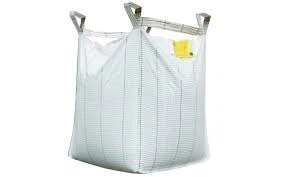
As a supplier of Conductive Bulk Bags, I've often been asked about the safety of these essential industrial products. Conductive bulk bags, also known as FIBCs (Flexible Intermediate Bulk Containers), are designed to prevent the buildup and discharge of static electricity, which can be a significant hazard in certain industries. In this blog, I'll delve into the safety aspects of conductive bulk bags, exploring their design, testing, and real - world applications.
Understanding Conductive Bulk Bags
Conductive bulk bags are engineered to dissipate static electricity safely. They are typically made from woven polypropylene fabric that has conductive threads or coatings integrated into it. These conductive elements provide a path for static charges to flow to the ground, preventing the accumulation of electrostatic energy that could lead to sparks.
The design of conductive bulk bags is crucial. The conductive threads are evenly distributed throughout the fabric to ensure uniform dissipation of static electricity. This is important because uneven distribution could create areas where static charges build up, increasing the risk of a dangerous discharge.
Safety Standards and Testing
To ensure the safety of conductive bulk bags, they must meet strict international standards. For example, the International Electrotechnical Commission (IEC) has established guidelines for the design and testing of FIBCs to prevent electrostatic discharges. These standards specify requirements for the electrical resistance of the fabric, the grounding of the bag, and the overall design to minimize the risk of static ignition.
Before a conductive bulk bag is approved for use, it undergoes rigorous testing. Electrical resistance testing is a key part of this process. The bag must have a specific range of electrical resistance to ensure that static charges are dissipated at a safe rate. If the resistance is too high, charges may not be able to flow to the ground quickly enough, increasing the risk of a spark. If the resistance is too low, it could potentially create other electrical hazards.
In addition to electrical resistance testing, conductive bulk bags are also tested for their mechanical properties. They must be able to withstand the stresses of filling, transporting, and emptying without tearing or breaking. This is important not only for the safe handling of the contents but also to maintain the integrity of the conductive elements within the bag.
Real - World Applications and Safety Benefits
Conductive bulk bags are widely used in industries where the risk of static ignition is high. One such industry is the chemical industry, where many chemicals are flammable or combustible. When these chemicals are being transferred or stored in bulk, the movement of the particles can generate static electricity. Conductive bulk bags help to prevent static discharges that could ignite the chemicals, reducing the risk of fires and explosions.
The pharmaceutical industry also benefits from the use of conductive bulk bags. Pharmaceuticals are often sensitive to static electricity, which can cause contamination or damage to the products. Conductive bulk bags ensure that the products are protected during handling and storage, maintaining their quality and safety.
Another important application is in the food industry. Food Grade Bulk Bag are used to store and transport a variety of food products. Static electricity can attract dust and other contaminants, which is a major concern in the food industry. Conductive bulk bags prevent static buildup, keeping the food products clean and safe for consumption. Moreover, if you are looking for a reliable source of food - grade bulk bags, you can visit Food Grade Bulk Bag to find more details.


Potential Risks and Mitigation
While conductive bulk bags are designed to be safe, there are still some potential risks that need to be addressed. One risk is improper grounding. If the bag is not properly grounded during use, static charges may not be able to flow to the ground, increasing the risk of a discharge. To mitigate this risk, it is essential to ensure that the bag is connected to a suitable grounding system at all times.
Another risk is damage to the conductive elements within the bag. If the conductive threads or coatings are damaged during handling or storage, the bag may lose its ability to dissipate static electricity effectively. Regular inspections of the bags are necessary to detect any signs of damage. If damage is found, the bag should be replaced immediately.
Conclusion
In conclusion, conductive bulk bags are generally safe to use when they are designed, tested, and used correctly. They play a vital role in preventing static - related hazards in various industries, from chemicals to food and pharmaceuticals. By meeting strict safety standards and undergoing thorough testing, these bags provide a reliable solution for the safe handling and storage of bulk materials.
If you are in need of high - quality conductive bulk bags, I invite you to explore our range of Conductive Bulk Bag. We are committed to providing products that meet the highest safety standards and offer excellent performance. Whether you are a small business or a large corporation, we can work with you to find the right solution for your specific needs. Contact us to start a discussion about your bulk bag requirements and take the first step towards safer and more efficient material handling.
References
- International Electrotechnical Commission (IEC). Standards for Flexible Intermediate Bulk Containers (FIBCs).
- Industry reports on the use of conductive bulk bags in chemical, pharmaceutical, and food industries.