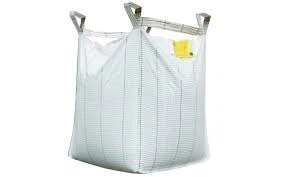
Filling bulk bags efficiently is crucial for businesses involved in process handling. As a trusted supplier of bulk bags for process handling, I understand the significance of optimizing this process to enhance productivity, reduce costs, and ensure the safety of both workers and the materials being transported. In this blog post, I'll share some valuable insights and strategies on how to fill bulk bags efficiently, drawing from my experience in the industry.
Understanding the Basics of Bulk Bag Filling
Before diving into the efficient filling techniques, it's essential to have a clear understanding of the basic components and requirements of bulk bag filling. Bulk bags, also known as FIBCs (Flexible Intermediate Bulk Containers), come in various types and sizes, each designed to meet specific handling and storage needs. Bottom Lift Bulk Bag and Top Lift Bulk Bag are two common types, and the choice between them depends on the handling equipment and the nature of the material being filled.
The filling process typically involves several steps, including bag positioning, material feeding, and bag closure. The goal is to fill the bag to its maximum capacity while maintaining its structural integrity and ensuring that the material is evenly distributed.
Selecting the Right Bulk Bag
The first step in efficient bulk bag filling is selecting the right type of bag for your specific application. Consider the following factors when making your choice:
- Capacity: Determine the required capacity of the bag based on the volume of material you need to transport or store. It's important to choose a bag with a sufficient capacity to avoid overfilling, which can lead to bag failure and safety hazards.
- Material Compatibility: Ensure that the bag material is compatible with the type of material being filled. Some materials may be abrasive, corrosive, or reactive, requiring a bag made from a specific type of fabric or with special coatings.
- Lifting and Handling Requirements: Consider the lifting and handling equipment available at your facility. Bottom Lift Bulk Bag are suitable for applications where the bag needs to be lifted from the bottom, while Top Lift Bulk Bag are more commonly used when the bag is lifted from the top.
- Safety Features: Look for bags with safety features such as anti-static properties, UV protection, and tear-resistant fabric to ensure the safety of the workers and the materials being transported.
Preparing the Filling Area
A well-prepared filling area is essential for efficient and safe bulk bag filling. Here are some key steps to take:
- Clean the Area: Ensure that the filling area is clean and free of debris, dust, and other contaminants. This will help prevent the introduction of foreign materials into the bag and ensure the quality of the filled product.
- Inspect the Equipment: Regularly inspect the filling equipment, including the hopper, conveyor, and weighing system, to ensure that it is in good working condition. Any malfunctioning equipment should be repaired or replaced immediately to avoid delays and potential safety hazards.
- Set Up the Bag Support Structure: Use a bag support structure such as a frame or a stand to hold the bag in place during the filling process. This will help prevent the bag from collapsing or tipping over, ensuring a stable and efficient filling operation.
- Calibrate the Weighing System: Accurately calibrate the weighing system to ensure that the bag is filled to the desired weight. This will help prevent overfilling or underfilling, which can lead to product waste and inconsistent quality.
Optimizing the Filling Process
Once the bag and the filling area are prepared, it's time to optimize the filling process itself. Here are some strategies to consider:


- Use a Dust Collection System: Install a dust collection system to capture and remove dust and other airborne particles generated during the filling process. This will help maintain a clean and safe working environment and prevent the escape of dust into the surrounding area.
- Control the Material Flow: Use a flow control device such as a gate valve or a variable speed conveyor to control the rate of material flow into the bag. This will help prevent overfilling and ensure that the material is evenly distributed within the bag.
- Vibrate the Bag: Use a bag vibrator to help settle the material and remove any air pockets within the bag. This will help increase the density of the filled material and maximize the bag's capacity.
- Monitor the Filling Process: Continuously monitor the filling process to ensure that the bag is being filled correctly and that the equipment is operating smoothly. Any issues or deviations should be addressed immediately to prevent delays and ensure the quality of the filled product.
Closing and Sealing the Bag
Once the bag is filled to the desired weight, it's important to close and seal it properly to prevent the material from leaking or spilling during transportation and storage. Here are some tips for closing and sealing the bag:
- Use a Proper Closure Method: Depending on the type of bag and the material being filled, choose a suitable closure method such as a drawstring, a zipper, or a heat seal. Ensure that the closure is tight and secure to prevent any leakage.
- Inspect the Seal: After closing the bag, inspect the seal to ensure that it is intact and free of any defects. Any damaged or compromised seals should be repaired or replaced immediately to prevent product loss and contamination.
- Label the Bag: Clearly label the bag with important information such as the product name, weight, batch number, and any special handling instructions. This will help ensure proper identification and handling of the filled product.
Training and Safety
Proper training and safety procedures are essential for efficient and safe bulk bag filling. Here are some key points to consider:
- Train Your Workers: Provide comprehensive training to your workers on the proper use of the filling equipment, the selection and handling of bulk bags, and the safety procedures to follow during the filling process. Ensure that all workers are familiar with the equipment and the procedures before allowing them to operate the filling system.
- Follow Safety Guidelines: Establish and enforce strict safety guidelines for the filling area, including the use of personal protective equipment (PPE) such as gloves, goggles, and respirators. Ensure that all workers are aware of the potential hazards associated with the filling process and take the necessary precautions to protect themselves and others.
- Conduct Regular Safety Inspections: Regularly inspect the filling area and the equipment to identify and address any potential safety hazards. This will help prevent accidents and ensure the safety of the workers and the materials being transported.
Conclusion
Efficient bulk bag filling is essential for businesses involved in process handling. By selecting the right bulk bag, preparing the filling area, optimizing the filling process, closing and sealing the bag properly, and providing proper training and safety procedures, you can enhance productivity, reduce costs, and ensure the safety of your workers and the materials being transported.
If you're looking for high-quality bulk bags for process handling, I invite you to contact us to discuss your specific requirements. Our team of experts will work with you to select the right bags and provide you with the support and guidance you need to optimize your filling process.
References
- ASTM International. (2023). Standard Specification for Flexible Intermediate Bulk Containers (FIBCs). ASTM D6199-23.
- OSHA. (2023). General Industry Safety and Health Standards. 29 CFR 1910.
- Bulk Handling Systems Association. (2023). Best Practices for Bulk Bag Filling and Handling.