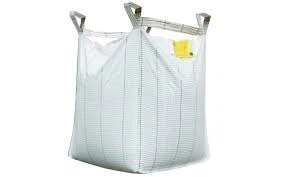
As a seasoned supplier of Paper - plastic Composite Printed Bags, I've often been asked about the tensile strength of these versatile packaging solutions. Tensile strength is a critical property that determines how well a bag can withstand stretching forces without breaking. In this blog, I'll delve into the concept of tensile strength, how it applies to Paper - plastic Composite Printed Bags, and what factors can influence it.
Understanding Tensile Strength
Tensile strength is defined as the maximum amount of tensile (pulling) stress that a material can withstand before it fails or breaks. It is typically measured in units of force per unit area, such as pounds per square inch (psi) or megapascals (MPa). For Paper - plastic Composite Printed Bags, tensile strength is crucial because these bags are often subjected to various pulling and stretching forces during handling, filling, transportation, and storage.
A high tensile strength means that the bag can hold more weight, resist tearing when pulled, and maintain its integrity under stress. This is especially important for bags that are used to package heavy or bulky items. On the other hand, a low tensile strength may result in the bag breaking or tearing easily, leading to product spillage and potential damage.
Composition of Paper - plastic Composite Printed Bags
To understand the tensile strength of Paper - plastic Composite Printed Bags, it's essential to know their composition. These bags are typically made by combining paper and plastic materials. The paper layer provides stiffness, printability, and a natural aesthetic, while the plastic layer offers moisture resistance, durability, and a barrier against contaminants.
There are different types of paper and plastic used in these bags. The paper can range from kraft paper, which is strong and durable, to coated paper, which has a smoother surface for better printing. The plastic layer can be made of polyethylene (PE), polypropylene (PP), or other polymers, each with its own properties and characteristics.
The combination of paper and plastic creates a synergistic effect, where the strengths of each material complement each other. The paper provides initial resistance to tearing, while the plastic layer adds flexibility and additional strength. This makes Paper - plastic Composite Printed Bags a popular choice for a wide range of applications, from food packaging to industrial products.
Factors Affecting Tensile Strength
Several factors can influence the tensile strength of Paper - plastic Composite Printed Bags. Let's take a closer look at some of the most important ones:
Material Quality
The quality of the paper and plastic materials used in the bag plays a significant role in determining its tensile strength. High - quality paper with a high fiber content and good internal bonding will generally have a higher tensile strength. Similarly, a plastic layer made from a high - grade polymer will offer better resistance to stretching and tearing.
As a supplier, I always source the best materials for our Paper - plastic Composite Printed Bags. We work with trusted suppliers who can provide us with paper and plastic that meet our strict quality standards. This ensures that our bags have the optimal tensile strength for their intended applications.
Thickness of Layers
The thickness of both the paper and plastic layers can affect the tensile strength of the bag. Generally, thicker layers will result in a stronger bag. However, increasing the thickness also increases the cost and weight of the bag, so there is a balance to be struck.
We carefully select the thickness of each layer based on the specific requirements of our customers. For example, if a bag needs to hold a heavy product, we may use a thicker paper and plastic layer to ensure sufficient tensile strength. On the other hand, for lightweight products, we can use thinner layers to reduce costs and environmental impact.
Lamination Process
The lamination process, which is used to bond the paper and plastic layers together, is also crucial for the tensile strength of the bag. A proper lamination process ensures a strong and uniform bond between the two layers, preventing delamination and enhancing the overall strength of the bag.
We use advanced lamination techniques in our manufacturing process to ensure a high - quality bond. This includes controlling the temperature, pressure, and adhesive application during lamination. By optimizing these parameters, we can produce bags with excellent tensile strength and durability.
Printing and Finishing
Printing and finishing processes can also have an impact on the tensile strength of Paper - plastic Composite Printed Bags. Excessive printing ink or aggressive finishing treatments can weaken the paper or plastic layers, reducing the overall tensile strength of the bag.
We take great care in our printing and finishing processes to minimize any negative effects on the bag's strength. We use high - quality printing inks that are designed to adhere well to the bag surface without compromising its integrity. Additionally, we choose finishing treatments that enhance the bag's appearance without sacrificing its tensile strength.
Measuring Tensile Strength
To ensure the quality and performance of our Paper - plastic Composite Printed Bags, we conduct regular tensile strength testing. There are several standard methods for measuring tensile strength, such as the ASTM D882 test method, which is commonly used for thin plastic sheeting and films.


In our testing process, we take samples from each production batch and use specialized equipment to apply a pulling force to the bag until it breaks. The maximum force applied before breakage is recorded, and the tensile strength is calculated based on the cross - sectional area of the sample.
By conducting these tests, we can verify that our bags meet or exceed the required tensile strength standards for their intended applications. This gives our customers confidence in the quality and reliability of our products.
Different Types of Paper - plastic Composite Printed Bags and Their Tensile Strength
There are various types of Paper - plastic Composite Printed Bags, each with its own unique features and tensile strength requirements. Let's explore some of the common types:
Paper - plastic Composite Printed Bag
These are the standard bags that are widely used for general packaging applications. They typically have a good balance of tensile strength, printability, and cost - effectiveness. Our Paper - plastic Composite Printed Bags are designed to have sufficient tensile strength to hold a variety of products, from consumer goods to industrial parts.
Lined Paper - plastic Composite Packaging Bag
Lined bags have an additional layer of plastic inside the bag, which provides extra moisture resistance and strength. The lining can enhance the tensile strength of the bag, especially when it comes to holding products that are sensitive to moisture or require a higher level of protection.
Paper - plastic Composite Tear - open Bag
These bags are designed to be easily opened by tearing. While they need to have enough tensile strength to hold the product during storage and transportation, they also need to be tear - able along a pre - determined line. We carefully engineer the tensile strength of these bags to achieve the right balance between strength and tearability.
Importance of Tensile Strength in Different Applications
The tensile strength of Paper - plastic Composite Printed Bags is crucial in various applications. Here are some examples:
Food Packaging
In the food industry, bags need to have sufficient tensile strength to hold the weight of the food product and resist tearing during handling and transportation. They also need to maintain their integrity to prevent contamination and ensure the safety of the food. Our Paper - plastic Composite Printed Bags for food packaging are designed to meet strict food safety standards and have the appropriate tensile strength for different types of food products.
Industrial Packaging
For industrial products, such as chemicals, hardware, and machinery parts, bags need to be strong enough to withstand the weight and abrasion during storage and shipping. High - tensile - strength bags can prevent damage to the products and reduce the risk of spills or leaks. We offer a range of Paper - plastic Composite Printed Bags for industrial applications, with customized tensile strength based on the specific requirements of our customers.
Conclusion
In conclusion, the tensile strength of Paper - plastic Composite Printed Bags is a critical property that determines their performance and suitability for different applications. By understanding the factors that affect tensile strength, such as material quality, layer thickness, lamination process, and printing/finishing, we can produce bags that meet the highest standards of strength and durability.
As a supplier of Paper - plastic Composite Printed Bags, I am committed to providing our customers with the best - quality products. We use the latest manufacturing techniques and source the highest - quality materials to ensure that our bags have excellent tensile strength. Whether you need bags for food packaging, industrial products, or any other application, we can offer you a customized solution that meets your specific requirements.
If you are interested in learning more about our Paper - plastic Composite Printed Bags or would like to discuss your packaging needs, please feel free to contact us. We look forward to the opportunity to work with you and provide you with the perfect packaging solution.
References
- ASTM D882 - Standard Test Method for Tensile Properties of Thin Plastic Sheeting
- Packaging Technology Handbook, edited by Wilson, J. (2015)