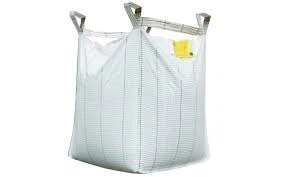
Hey there! As a supplier of Multi - layer Kraft Paper Printed Bags, I often get asked about the compression strength of these bags. So, I thought I'd take a deep dive into this topic and share some insights with you.
First off, let's understand what compression strength means. In simple terms, it's the ability of a bag to withstand pressure without getting damaged or losing its shape. When it comes to multi - layer kraft paper printed bags, compression strength is super important. Why? Well, these bags are used to pack all sorts of stuff, from food products to industrial goods. And during storage and transportation, they're often stacked on top of each other. If the bags don't have good compression strength, they can collapse, leading to product damage and a whole lot of headaches.
Factors Affecting Compression Strength
There are several factors that can influence the compression strength of multi - layer kraft paper printed bags.
1. Number of Layers
As the name suggests, multi - layer kraft paper bags are made up of multiple layers of kraft paper. Generally speaking, the more layers a bag has, the higher its compression strength. Each additional layer adds more thickness and rigidity to the bag, making it better able to resist pressure. For example, a three - layer bag will typically have a higher compression strength than a two - layer bag.
2. Quality of Kraft Paper
Not all kraft paper is created equal. The quality of the kraft paper used in the bags plays a huge role in determining their compression strength. High - quality kraft paper has better fiber strength and is more resistant to tearing and crushing. It also has a more uniform thickness, which helps distribute pressure evenly across the bag.
3. Printing and Coating
Printing and coating can also affect the compression strength of the bags. While printing adds branding and product information, some printing processes can weaken the paper slightly. On the other hand, certain coatings can actually improve the compression strength by adding an extra layer of protection and stiffness. For instance, a polyethylene coating can make the bag more water - resistant and also enhance its ability to withstand pressure.
4. Bag Design
The design of the bag matters too. Bags with a well - structured shape, like the Multi - layer Kraft Paper M - fold Valve Bag, are generally more resistant to compression. The M - fold design provides extra support and stability, making the bag less likely to collapse under pressure. Similarly, the Multi - layer Kraft Paper Flat Valve Bag and Multi - layer Kraft Paper M - fold Open Bag have their own unique features that contribute to their compression strength.
Measuring Compression Strength
So, how do we measure the compression strength of multi - layer kraft paper printed bags? There are a few standard tests that are commonly used in the industry.
Edge - Crush Test (ECT)
The Edge - Crush Test is one of the most widely used methods. In this test, a sample of the bag is placed on its edge between two parallel platens. Pressure is then applied gradually until the sample fails. The maximum pressure the sample can withstand before failing is recorded as the ECT value. A higher ECT value indicates better compression strength.
Box Compression Test (BCT)
The Box Compression Test is another important test. In this test, a fully assembled bag is placed between two platens, and pressure is applied until the bag collapses. The maximum force applied before collapse is the BCT value. This test gives a more realistic measure of how the bag will perform in real - world stacking situations.
Importance of Compression Strength in Different Industries
Food Industry
In the food industry, multi - layer kraft paper printed bags are used to pack a variety of products, such as flour, sugar, and coffee. These bags need to have good compression strength to protect the contents during storage and transportation. A bag that collapses can lead to product spillage and contamination, which is a big no - no in the food industry.
Chemical Industry
The chemical industry also relies heavily on multi - layer kraft paper printed bags. Chemical products can be heavy and often require bags that can withstand high levels of pressure. A bag with insufficient compression strength can rupture, leading to dangerous chemical spills.
Agriculture Industry
In the agriculture industry, these bags are used to pack seeds, fertilizers, and animal feed. The bags need to be able to withstand the weight of the contents and the pressure of being stacked in warehouses and trucks. Good compression strength ensures that the products remain intact until they reach the end - user.
How We Ensure High Compression Strength
As a supplier of multi - layer kraft paper printed bags, we take several steps to ensure that our bags have high compression strength.
First, we source the highest - quality kraft paper from reliable suppliers. We carefully select the paper based on its fiber strength, thickness, and other quality parameters.
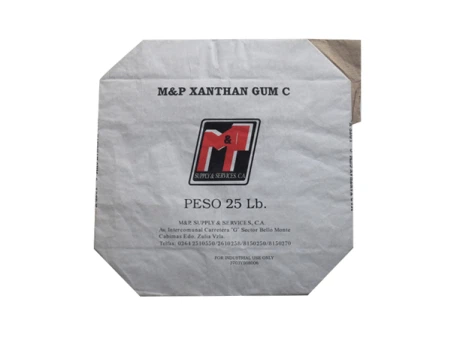

Second, we use advanced manufacturing processes to ensure that the bags are well - constructed. Our production team pays close attention to details, such as the alignment of the layers and the quality of the seals.
Third, we conduct regular quality control checks using the standard tests mentioned above. This allows us to identify any potential issues early on and make necessary adjustments to improve the compression strength of the bags.
Conclusion
In conclusion, the compression strength of multi - layer kraft paper printed bags is a crucial factor that affects their performance in various industries. By understanding the factors that influence compression strength and using the right testing methods, we can ensure that our bags meet the highest standards.
If you're in the market for high - quality multi - layer kraft paper printed bags with excellent compression strength, don't hesitate to reach out. We'd love to discuss your specific requirements and provide you with the best packaging solutions.
References
- "Packaging Technology Handbook" by Han - Joo Lee
- "Paper and Paperboard: Materials and Processing" by John N. Anon