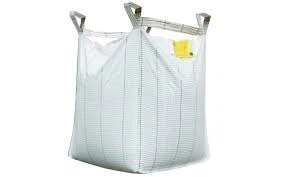
Hey there! As a supplier of Paper - plastic Composite M - fold Open Bags, I often get asked about the sealing methods for these bags. So, I thought I'd share some insights with you all in this blog.
First off, let's talk a bit about what Paper - plastic Composite M - fold Open Bags are. They're a great option for packaging various products. The combination of paper and plastic gives them durability, flexibility, and the ability to protect the contents inside. The M - fold design makes them easy to stack and store, and the open - top feature allows for convenient filling.
Now, onto the main topic: sealing methods. There are several common ways to seal these bags, each with its own pros and cons.
Heat Sealing
Heat sealing is one of the most popular methods. It works by applying heat to the plastic layer of the paper - plastic composite. When the plastic reaches its melting point, it fuses together, creating a strong and airtight seal.
The advantage of heat sealing is its reliability. Once the seal is made, it's pretty much secure, which is great for keeping the contents fresh and protected from moisture and air. It's also a fast process, which means you can seal a large number of bags in a short time. This is especially useful for large - scale production.
However, there are some downsides. You need special equipment for heat sealing, which can be expensive to buy and maintain. Also, if the heat is not applied evenly, the seal might not be as strong, and there could be weak spots that could lead to leaks.
If you're interested in other types of paper - plastic composite bags, you can check out our Paper - plastic Composite Tear - open Bag and Paper - plastic Composite Square Bottom M - fold Bag.
Adhesive Sealing
Adhesive sealing is another option. You can use different types of adhesives, such as hot - melt adhesives or pressure - sensitive adhesives.
Hot - melt adhesives are melted and then applied to the bag edges. As they cool down, they bond the layers of the bag together. Pressure - sensitive adhesives, on the other hand, stick when pressure is applied.
The good thing about adhesive sealing is that it doesn't require as much specialized equipment as heat sealing. You can use simple applicators for some types of adhesives. It's also a more flexible method, as you can choose different adhesives depending on the requirements of your product. For example, if you need a seal that can be easily opened and re - sealed, a pressure - sensitive adhesive might be a good choice.
But adhesive sealing also has its drawbacks. The adhesive might not bond well if the bag surface is dirty or oily. Also, over time, the adhesive can dry out or lose its stickiness, which could compromise the seal.
Ultrasonic Sealing
Ultrasonic sealing is a relatively new method. It uses high - frequency ultrasonic waves to generate heat at the sealing area. The heat melts the plastic layer, just like in heat sealing, but without the need for external heating elements.
The big advantage of ultrasonic sealing is its precision. It can create a very clean and strong seal, and it's also fast. It's also more energy - efficient compared to traditional heat sealing because it only heats the area where the seal is being made.
However, ultrasonic sealing equipment is quite expensive. And, like heat sealing, it requires some skill to operate properly to ensure a good seal.
If you're dealing with products that need a specific type of bag, our Paper - plastic Composite Flat Valve Bag might be worth considering.
Choosing the Right Sealing Method
When it comes to choosing the right sealing method for your Paper - plastic Composite M - fold Open Bags, there are a few factors to consider.
First, think about the product you're packaging. If it's a food product, you'll probably need an airtight and reliable seal to keep it fresh. Heat sealing or ultrasonic sealing might be the best options. If the product is not as sensitive to air and moisture, adhesive sealing could be a more cost - effective choice.
The production volume is also important. If you're doing small - scale production, you might not want to invest in expensive equipment like for heat or ultrasonic sealing. Adhesive sealing could be more suitable in this case. But if you're producing a large number of bags, the efficiency of heat or ultrasonic sealing could save you time and money in the long run.


Another factor is the budget. As mentioned earlier, some sealing methods require more expensive equipment. You need to balance the cost of the equipment, maintenance, and operation with the benefits you'll get from a good seal.
In conclusion, there are several sealing methods for Paper - plastic Composite M - fold Open Bags, each with its own features. By considering your product requirements, production volume, and budget, you can choose the method that's right for you.
If you're in the market for high - quality Paper - plastic Composite M - fold Open Bags or have questions about the sealing methods, don't hesitate to reach out. We're here to help you find the best solution for your packaging needs. Whether you need advice on which sealing method to use or want to place an order, we're just a message away. Let's start a conversation and see how we can work together to meet your packaging goals.
References
- Packaging Industry Handbook: Covers general information about packaging materials and sealing methods.
- Journal of Packaging Science: Contains research on different sealing techniques for composite materials.