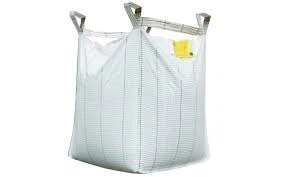
As a supplier of functional bulk bags, I've often been asked about the load - bearing capacity of these essential industrial tools. Functional bulk bags, also known as FIBCs (Flexible Intermediate Bulk Containers), are designed to handle a wide range of materials, from powders and granules to small parts. Their load - bearing capacity is a critical factor that determines their suitability for different applications.
Understanding Load - Bearing Capacity
The load - bearing capacity of a functional bulk bag refers to the maximum weight that the bag can safely carry without experiencing structural failure. This capacity is influenced by several factors, including the material of the bag, its construction, and the type of handling it will undergo.
Material
The material used in the manufacturing of functional bulk bags plays a significant role in determining their load - bearing capacity. Most functional bulk bags are made from woven polypropylene, a strong and durable synthetic material. The thickness and quality of the polypropylene fabric can vary, with thicker and higher - quality fabrics generally providing greater load - bearing capabilities.
For example, a standard woven polypropylene fabric may have a certain tensile strength, which is the maximum stress that the fabric can withstand before breaking. Higher - grade polypropylene fabrics are engineered to have a higher tensile strength, allowing the bulk bags to carry heavier loads.
Construction
The construction of the functional bulk bag also affects its load - bearing capacity. There are different types of bag designs, such as U - panel, circular, and four - panel bags. Each design has its own structural characteristics that impact how the weight is distributed within the bag.
U - panel bags, for instance, have a single piece of fabric that is folded to form the sides of the bag. This design provides a more uniform distribution of weight, which can enhance the bag's load - bearing capacity. Circular bags, on the other hand, are made from a continuous tube of fabric, offering excellent strength and stability. Four - panel bags are constructed from four separate panels of fabric sewn together, and their load - bearing capacity can be optimized through proper sewing techniques and reinforcement at the seams.
Reinforcements, such as webbing loops, corner protectors, and internal baffles, can also significantly increase the load - bearing capacity of a functional bulk bag. Webbing loops are used for lifting the bag, and their strength and attachment to the bag are crucial. Corner protectors prevent damage to the bag's corners during handling, which can weaken the overall structure. Internal baffles help to keep the contents of the bag in place and distribute the weight more evenly.
Handling
The way the functional bulk bag is handled also impacts its load - bearing capacity. If the bag is lifted or transported in a rough manner, it may experience stress concentrations that can reduce its ability to carry the intended load. For example, if a bag is lifted by only one side or if it is dragged across a rough surface, it can cause damage to the fabric and seams, leading to a decrease in its load - bearing capacity.


Proper handling procedures, such as using the correct lifting equipment and ensuring that the bag is evenly loaded, are essential for maintaining the bag's load - bearing capacity. Forklifts, cranes, and other lifting devices should be used in accordance with the bag's design and specifications.
Load - Bearing Capacity Ratings
Functional bulk bags are typically rated for their load - bearing capacity based on industry standards. The most common rating system is the Safety Factor. The Safety Factor is a ratio that indicates how much stronger the bag is compared to the maximum load it is designed to carry.
For example, a bag with a Safety Factor of 5:1 means that the bag is designed to be five times stronger than the maximum load it is intended to carry. This provides a margin of safety to account for variations in the material, construction, and handling conditions.
Load - bearing capacity ratings are usually expressed in kilograms or pounds. Common load - bearing capacities for functional bulk bags range from 500 kg to 3000 kg, although some specialized bags can handle even heavier loads.
Specific Types of Functional Bulk Bags and Their Load - Bearing Capacity
Anti - static Bulk Bag
Anti - static bulk bags are designed to prevent the build - up of static electricity, which can be a significant hazard when handling flammable or combustible materials. These bags are made from special fabrics that have anti - static properties.
The load - bearing capacity of Anti - static Bulk Bag is similar to that of standard bulk bags, depending on the material and construction. However, the anti - static treatment does not significantly affect the bag's structural strength. Anti - static bulk bags can typically handle loads in the range of 500 kg to 2000 kg, depending on their size and design.
Conductive Bulk Bag
Conductive bulk bags are used in applications where static electricity needs to be dissipated quickly. They are made from conductive materials that allow the flow of electricity.
The load - bearing capacity of Conductive Bulk Bag and Conductive Bulk Bag is also determined by the material and construction of the bag. Conductive bulk bags can have load - bearing capacities similar to anti - static bulk bags, ranging from 500 kg to 2000 kg. The conductive properties of the bag do not compromise its ability to carry heavy loads, as long as the fabric and seams are of high quality.
Determining the Right Load - Bearing Capacity for Your Application
When choosing a functional bulk bag, it is essential to determine the right load - bearing capacity for your specific application. Here are some steps to help you make the right decision:
- Calculate the Weight of the Contents: Determine the maximum weight of the material that will be placed in the bag. This includes the weight of the product itself, as well as any packaging or additives.
- Consider the Safety Factor: Select a bag with an appropriate Safety Factor based on the handling conditions and the importance of safety. A higher Safety Factor provides more protection against unexpected loads or rough handling.
- Evaluate the Handling Requirements: Consider how the bag will be lifted, transported, and stored. If the bag will be subjected to rough handling, you may need to choose a bag with a higher load - bearing capacity or additional reinforcements.
- Consult with a Supplier: As a supplier of functional bulk bags, I can provide expert advice on choosing the right bag for your application. I can help you understand the different load - bearing capacities available and recommend the most suitable bag based on your specific needs.
Conclusion
The load - bearing capacity of functional bulk bags is a crucial factor that determines their suitability for different applications. It is influenced by the material, construction, and handling of the bag. By understanding these factors and choosing the right bag with an appropriate load - bearing capacity, you can ensure the safe and efficient handling of your materials.
If you are in need of functional bulk bags for your business, I invite you to contact me for a detailed discussion about your requirements. I am committed to providing high - quality bags that meet your specific load - bearing needs. Let's work together to find the best solution for your bulk packaging requirements.
References
- "Flexible Intermediate Bulk Containers (FIBCs): Design, Manufacturing, and Testing" - Industry Handbook
- "Standards for Bulk Bags" - International Bulk Packaging Association