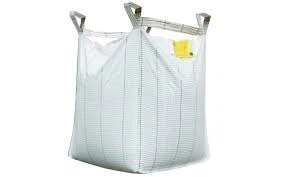
As a supplier of Top Lift Bulk Bags, I've witnessed firsthand the critical role these bags play in various industries. One of the most frequently asked questions about our Top Lift Bulk Bags is regarding their puncture resistance. In this blog, I'll delve into what puncture resistance means for Top Lift Bulk Bags, the factors that influence it, and why it matters in your operations.
Understanding Puncture Resistance
Puncture resistance refers to a material's ability to withstand the force of a pointed object without tearing or rupturing. In the context of Top Lift Bulk Bags, it's the measure of how well these bags can resist being punctured by sharp or pointed items within the bag or from external sources. This property is crucial as it directly impacts the integrity of the bag and the safety of the contents.
Top Lift Bulk Bags are often used to transport and store a wide range of materials, from granular substances like sand and gravel to industrial products with sharp edges. If a bag is easily punctured, it can lead to spills, contamination, and even safety hazards. For instance, in the chemical industry, a punctured bag could release harmful substances, posing a risk to workers and the environment.
Factors Affecting Puncture Resistance
Several factors contribute to the puncture resistance of Top Lift Bulk Bags. Understanding these factors can help you make an informed decision when choosing the right bags for your needs.
Material Quality
The quality of the fabric used in manufacturing the bags is a primary determinant of puncture resistance. High - quality polypropylene, which is commonly used in Top Lift Bulk Bags, offers better resistance compared to lower - grade materials. Our Top Lift Bulk Bags are made from premium polypropylene that is specifically engineered to be strong and durable. The molecular structure of the polypropylene provides a certain level of flexibility and toughness, allowing the bag to absorb and distribute the force of a puncture attempt.
Fabric Thickness
Thicker fabrics generally have higher puncture resistance. A thicker layer of material can withstand more pressure from a pointed object before it gives way. However, it's important to find a balance, as overly thick fabrics can make the bags heavier and more expensive. Our manufacturing process is optimized to use the right thickness of fabric to ensure optimal puncture resistance without sacrificing other important properties such as flexibility and ease of handling.
Weave Pattern
The weave pattern of the fabric also plays a significant role. A tight and uniform weave can enhance the bag's ability to resist punctures. Our Top Lift Bulk Bags feature a carefully designed weave pattern that distributes stress evenly across the fabric. This means that when a puncture force is applied, the stress is spread out over a larger area, reducing the likelihood of a single point failure.
Coating
Some Top Lift Bulk Bags are coated to improve their puncture resistance. A coating can add an extra layer of protection and make the fabric more resistant to abrasion and punctures. For example, a polyethylene coating can create a smooth and tough surface that is less likely to be penetrated by sharp objects. Our coated bags are designed to provide an additional level of security, especially for applications where the risk of puncture is high.
Testing Puncture Resistance
To ensure the quality and reliability of our Top Lift Bulk Bags, we conduct rigorous puncture resistance testing. These tests simulate real - world conditions to determine how well the bags will perform in actual use.
One common testing method is the cone - shaped puncture test. In this test, a cone - shaped probe is pressed against the bag fabric at a controlled speed until it punctures the material. The force required to puncture the fabric is measured, and this value is used to evaluate the bag's puncture resistance.
We also perform field - based testing, where we use the bags in real - world scenarios to observe their performance. This helps us identify any potential issues and make improvements to our manufacturing process. By combining laboratory testing with field experience, we can guarantee that our Top Lift Bulk Bags meet the highest standards of puncture resistance.
Why Puncture Resistance Matters
The puncture resistance of Top Lift Bulk Bags is of utmost importance for several reasons.
Product Protection
The primary function of a bulk bag is to protect its contents. Whether you're transporting food products, pharmaceuticals, or industrial chemicals, a puncture - resistant bag ensures that the product remains intact and uncontaminated. For example, in the food industry, a punctured bag can expose the contents to moisture, dust, and pests, leading to spoilage and loss of quality.
Safety
A punctured bag can pose a significant safety risk. In industries where hazardous materials are handled, such as the chemical and mining sectors, a spill due to a puncture can cause serious harm to workers and the environment. By using puncture - resistant Top Lift Bulk Bags, you can minimize the risk of spills and ensure a safer working environment.
Cost - Effectiveness
Although puncture - resistant bags may have a slightly higher upfront cost, they can save you money in the long run. A bag that is less likely to be punctured means fewer replacements and less product loss. Additionally, it can reduce the risk of costly clean - up operations in case of a spill.


Comparing with Bottom Lift Bulk Bags
While both Bottom Lift Bulk Bag and Top Lift Bulk Bag serve the purpose of transporting and storing bulk materials, there are some differences in their puncture resistance characteristics.
Bottom lift bulk bags are typically lifted from the bottom, which may expose them to different types of stress compared to top lift bags. In some cases, the bottom of the bag may be more prone to abrasion and puncture when it comes into contact with rough surfaces during loading and unloading. Top lift bulk bags, on the other hand, are lifted from the top, which can reduce the stress on the bag's body and potentially enhance its puncture resistance in certain situations. However, the overall puncture resistance still depends on the factors mentioned above, such as material quality, fabric thickness, and weave pattern.
Conclusion
Puncture resistance is a critical property of Top Lift Bulk Bags. As a supplier, we understand the importance of providing bags that can withstand the rigors of various industries. By considering factors such as material quality, fabric thickness, weave pattern, and coating, we ensure that our bags offer optimal puncture resistance.
If you're in the market for Top Lift Bulk Bags, we invite you to reach out to us for more information. Our team of experts can help you choose the right bags for your specific needs and ensure that you get the best value for your investment. Whether you're looking for bags for food, chemicals, or any other industry, we have the solutions to meet your requirements. Contact us today to start a discussion about your bulk bag needs and let us help you find the perfect Top Lift Bulk Bags for your operations.
References
- ASTM International. "Standard Test Method for Puncture Resistance of Geotextiles and Geosynthetic Related Products." ASTM D4833 - 10.
- Smith, J. "The Importance of Puncture Resistance in Bulk Bags." Journal of Industrial Packaging, 2018.
- Brown, A. "Testing and Evaluation of Bulk Bag Materials." Packaging Technology Review, 2019.