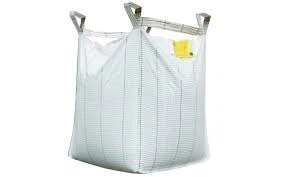
Hey there! I'm a supplier of Food Grade Bulk Bags, and I'm super excited to walk you through the quality control process for these essential containers. Whether you're in the food industry or just curious about how we ensure the safety and quality of our products, this blog post is for you.


1. Raw Material Inspection
The quality control process starts right at the source - the raw materials. We only work with trusted suppliers who provide high - quality materials that meet strict food safety standards. When the raw materials arrive at our facility, we conduct a thorough inspection.
We check for things like the purity of the plastic resin used to make the bags. Contaminants in the resin can pose a serious risk to food safety. We also examine the strength and durability of the fabric. After all, a Food Grade Bulk Bag needs to be able to withstand the weight of the food it will hold without tearing or breaking.
We test the chemical composition of the raw materials to make sure they don't contain any harmful substances. This is crucial because any unwanted chemicals could leach into the food, making it unsafe for consumption. For example, we look out for heavy metals like lead or mercury, as well as any potentially toxic additives.
2. Production Monitoring
Once the raw materials pass inspection, it's time to start the production process. During production, we have multiple quality control checkpoints. Our production lines are equipped with advanced sensors and monitoring systems that keep an eye on every step of the manufacturing process.
We monitor the temperature and pressure during the extrusion process, which is used to create the fabric for the bags. Incorrect temperature or pressure can lead to inconsistencies in the fabric's thickness and strength. We also check the stitching and seams of the bags. A poorly stitched bag can easily come apart, causing spillage and contamination.
At regular intervals, we take samples from the production line and perform physical tests. We measure the tensile strength of the fabric to ensure it meets our standards. We also test the tear resistance, as food grade bulk bags might face rough handling during transportation and storage.
3. Hygiene and Cleanliness
Hygiene is of utmost importance when it comes to Food Grade Bulk Bags. Our manufacturing facility is kept spotlessly clean. We have strict cleaning protocols in place to prevent any cross - contamination. All workers are required to wear appropriate protective clothing, including hairnets, gloves, and lab coats.
The production area is regularly sanitized using food - safe cleaning agents. We also have air filtration systems to keep the air clean and free from dust and other contaminants. This is especially important because any airborne particles could land on the bags and contaminate the food they will hold.
Before the bags are packaged, they are carefully inspected for any signs of dirt or debris. If a bag fails this inspection, it is immediately removed from the production line and discarded.
4. Anti - static Features
Some of our Food Grade Bulk Bags come with anti - static features. Static electricity can be a big problem in the food industry, as it can attract dust and other contaminants. It can also cause sparks, which is a fire hazard, especially when dealing with flammable food products like grains or powders.
We test the anti - static properties of our Anti-static Bulk Bag using specialized equipment. We measure the surface resistance of the bags to ensure that they can effectively dissipate static electricity. Our anti - static bags are designed to meet industry standards and provide a safe environment for storing and transporting food.
5. Final Inspection and Certification
Once the production process is complete, each Food Grade Bulk Bag undergoes a final inspection. We check for any cosmetic defects, such as discoloration or uneven printing. While these might not affect the functionality of the bag, they can still be a concern for our customers.
We also conduct a final review of all the quality control data collected during the production process. If everything checks out, the bags are ready for certification. We work with independent third - party laboratories to get our bags certified as food grade. These certifications are a guarantee to our customers that our bags meet all the necessary safety and quality standards.
6. Storage and Transportation
Even after the bags are certified, we don't stop with quality control. We have strict storage and transportation procedures in place. Our storage facilities are kept at a controlled temperature and humidity to prevent any damage to the bags.
During transportation, we make sure the bags are properly protected. They are loaded onto trucks in a way that minimizes the risk of damage. We also use clean and hygienic transportation vehicles to ensure that the bags remain in good condition until they reach our customers.
Why Choose Our Food Grade Bulk Bags?
Our Food Grade Bulk Bag and Food Grade Bulk Bag are the result of a rigorous quality control process. We understand the importance of providing safe and reliable packaging solutions for the food industry. Our bags are not only designed to meet strict food safety standards but also to be durable and cost - effective.
If you're in the market for high - quality Food Grade Bulk Bags, we'd love to hear from you. Whether you're a small food producer or a large - scale distributor, we can provide you with the right solution for your needs. Contact us today to discuss your requirements and start a partnership that will ensure the safety and quality of your food products.
References
- "Food Packaging: Principles and Practice" by Yanyun Zhao and Robert H. Luecking
- "Quality Control in the Food Industry" by John R. Owen