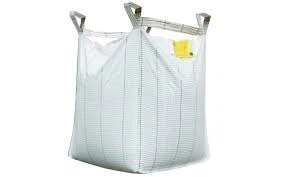
As a seasoned supplier of Anti-static Bulk Bags, I've encountered numerous inquiries regarding the maximum weight capacity of these essential industrial containers. Understanding the weight limits is crucial for ensuring the safe and efficient handling of various materials. In this blog post, I'll delve into the factors that determine the maximum weight capacity of anti-static bulk bags and provide insights to help you make informed decisions for your specific needs.
Understanding Anti-static Bulk Bags
Before we discuss the weight capacity, let's briefly review what anti-static bulk bags are and why they are important. Anti-static bulk bags, also known as FIBCs (Flexible Intermediate Bulk Containers), are large, flexible containers designed to store and transport a wide range of dry, flowable materials. These bags are equipped with anti-static properties to prevent the buildup of static electricity, which can pose a significant risk in industries dealing with flammable or combustible materials.
Anti-static bulk bags are commonly used in industries such as chemicals, pharmaceuticals, food processing, and mining. They offer several advantages over traditional packaging methods, including cost-effectiveness, ease of handling, and reduced environmental impact.
Factors Affecting the Maximum Weight Capacity
The maximum weight capacity of an anti-static bulk bag is determined by several factors, including the bag's design, construction materials, and intended use. Here are some of the key factors to consider:
Design and Construction
The design and construction of the bulk bag play a crucial role in determining its weight capacity. Bags with a higher number of lifting loops and a stronger base are generally able to support more weight. Additionally, the type of stitching and the quality of the seams can also affect the bag's strength and durability.
Material Thickness
The thickness of the material used to construct the bulk bag is another important factor. Thicker materials are generally stronger and more resistant to tearing, which allows the bag to support a greater weight. However, it's important to note that thicker materials may also increase the cost and weight of the bag.
Type of Material Being Stored
The type of material being stored in the bulk bag can also affect its weight capacity. Materials with a higher density, such as sand or gravel, will require a bag with a higher weight capacity than materials with a lower density, such as flour or sugar. Additionally, materials that are abrasive or corrosive may require a bag with a special coating or liner to prevent damage.
Environmental Conditions
The environmental conditions in which the bulk bag will be used can also impact its weight capacity. Bags that will be exposed to extreme temperatures, humidity, or sunlight may require additional reinforcement or protection to maintain their strength and durability.
Standard Weight Capacities
Anti-static bulk bags are available in a variety of weight capacities to meet the needs of different industries and applications. The most common weight capacities range from 500 kg to 2,000 kg, although bags with higher or lower capacities may also be available.
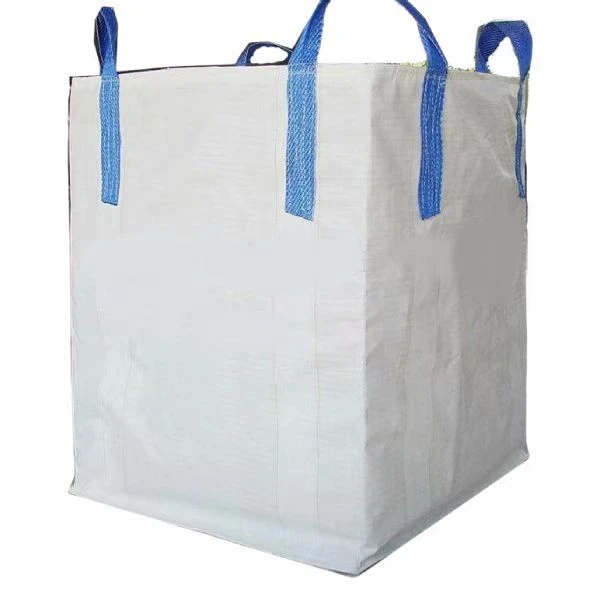

When selecting a bulk bag, it's important to choose a weight capacity that is appropriate for the specific material and application. Overloading a bag can increase the risk of tearing, bursting, or other failures, which can lead to safety hazards and product loss.
Customization Options
In addition to standard weight capacities, many anti-static bulk bag suppliers offer customization options to meet the specific needs of their customers. Customization options may include the size, shape, color, and lifting configuration of the bag, as well as the type of anti-static treatment or coating.
Customized bulk bags can be designed to meet the unique requirements of your industry and application, ensuring that you have a safe and efficient solution for storing and transporting your materials.
Ensuring Safety and Compliance
When using anti-static bulk bags, it's important to follow all safety guidelines and regulations to ensure the safe handling of your materials. Here are some tips to help you ensure safety and compliance:
- Choose the Right Bag: Select a bulk bag with a weight capacity that is appropriate for the material and application.
- Inspect the Bag: Before using the bag, inspect it for any signs of damage or wear. Do not use a bag that is torn, punctured, or has any other defects.
- Follow Proper Handling Procedures: Use the appropriate lifting equipment and techniques to handle the bag safely. Do not drag or pull the bag, as this can cause damage to the bag and increase the risk of failure.
- Store the Bag Properly: Store the bag in a dry, cool, and well-ventilated area to prevent damage from moisture, heat, or sunlight.
- Comply with Regulations: Ensure that your use of anti-static bulk bags complies with all relevant regulations and standards, such as OSHA, NFPA, and ISO.
Conclusion
The maximum weight capacity of an anti-static bulk bag is determined by several factors, including the bag's design, construction materials, and intended use. By understanding these factors and choosing the right bag for your specific needs, you can ensure the safe and efficient handling of your materials.
As a supplier of Anti-static Bulk Bag, I'm committed to providing high-quality products and exceptional customer service. If you have any questions or need assistance in selecting the right bulk bag for your application, please don't hesitate to contact me. I'll be happy to help you find the perfect solution for your needs.
Related Products
In addition to anti-static bulk bags, we also offer a wide range of other functional bulk bags, including Food Grade Bulk Bag and Conductive Bulk Bag. These bags are designed to meet the specific needs of different industries and applications, providing a safe and efficient solution for storing and transporting your materials.
Contact Us
If you're interested in learning more about our anti-static bulk bags or other functional bulk bags, please contact us today. Our team of experts will be happy to answer your questions and provide you with a free quote. We look forward to working with you to find the perfect solution for your needs.
References
- American Society of Mechanical Engineers (ASME). (2019). Flexible Intermediate Bulk Containers (FIBCs) - Design, Manufacturing, and Use.
- International Organization for Standardization (ISO). (2013). ISO 21898:2013 - Flexible intermediate bulk containers - Safety code for use.
- National Fire Protection Association (NFPA). (2019). NFPA 77 - Recommended Practice on Static Electricity.