In the realm of process handling, bulk bags play a pivotal role in the efficient storage and transportation of various materials. As a supplier of bulk bags for process handling, I often encounter questions regarding the technical specifications of these essential tools. One such question that frequently arises is about the elastic modulus of bulk bags. In this blog post, I aim to shed light on what the elastic modulus of bulk bags is, its significance, and how it impacts the performance of these bags in process handling applications.
Understanding the Elastic Modulus
The elastic modulus, also known as Young's modulus, is a fundamental property of materials that measures their stiffness or resistance to elastic deformation. In simpler terms, it quantifies how much a material will stretch or compress when a force is applied to it, within its elastic limit. The elastic limit is the maximum stress that a material can withstand without undergoing permanent deformation. Once the stress exceeds this limit, the material will not return to its original shape when the force is removed.
Mathematically, the elastic modulus (E) is defined as the ratio of stress (σ) to strain (ε) within the elastic range of a material:
E = σ/ε
Stress is the force applied per unit area, while strain is the ratio of the change in length to the original length of the material. The unit of elastic modulus is typically pascals (Pa) or megapascals (MPa) in the SI system.
Elastic Modulus of Bulk Bags
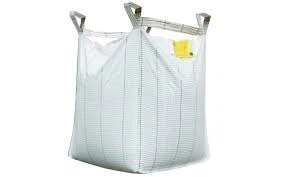
Bulk bags, also known as flexible intermediate bulk containers (FIBCs), are made from woven polypropylene fabric. The elastic modulus of this fabric is an important characteristic that determines the bag's ability to withstand the stresses imposed during filling, handling, and transportation.
The elastic modulus of bulk bag fabric can vary depending on several factors, including the type of polypropylene used, the weaving pattern, and the thickness of the fabric. Generally, the elastic modulus of woven polypropylene fabric used in bulk bags ranges from 100 to 500 MPa. A higher elastic modulus indicates a stiffer fabric, which means that the bag will deform less under a given load.
Significance of Elastic Modulus in Process Handling
The elastic modulus of bulk bags has several implications for their performance in process handling applications. Here are some of the key aspects:
1. Load Capacity
The elastic modulus affects the load capacity of bulk bags. A bag with a higher elastic modulus can withstand greater stresses without excessive deformation, allowing it to carry heavier loads. This is particularly important when handling dense or abrasive materials, as these can exert significant forces on the bag during filling and transportation.
2. Shape Retention
During filling and stacking, bulk bags need to maintain their shape to ensure stable storage and efficient handling. A bag with a suitable elastic modulus will resist deformation and retain its shape better, reducing the risk of toppling or damage to the contents. This is especially crucial in automated handling systems, where precise positioning of the bags is required.
3. Resistance to Tearing
When a force is applied to a bulk bag, the fabric may experience stretching and shearing stresses. A higher elastic modulus can help the bag resist these stresses and reduce the likelihood of tearing. This is essential for ensuring the integrity of the bag and preventing spillage of the contents.
4. Compatibility with Handling Equipment
Bulk bags are often handled using various equipment, such as forklifts, cranes, and conveyors. The elastic modulus of the bag fabric can affect its compatibility with this equipment. For example, a bag with a very low elastic modulus may be too flexible and difficult to handle, while a bag with a very high elastic modulus may be too rigid and cause damage to the handling equipment.
Factors Affecting the Elastic Modulus of Bulk Bags
As mentioned earlier, several factors can influence the elastic modulus of bulk bag fabric. Let's take a closer look at these factors:
1. Polypropylene Type
The type of polypropylene used in the fabric production can have a significant impact on its elastic modulus. Different grades of polypropylene have different molecular structures and properties, which can affect the stiffness of the fabric. For example, high-density polypropylene (HDPE) generally has a higher elastic modulus than low-density polypropylene (LDPE).
2. Weaving Pattern
The weaving pattern of the fabric also plays a role in determining its elastic modulus. Different weaving patterns can result in different levels of fabric stiffness. For instance, a tight weave pattern may produce a stiffer fabric compared to a loose weave pattern.
3. Fabric Thickness
The thickness of the fabric is another important factor. Thicker fabrics generally have a higher elastic modulus than thinner fabrics, as they can resist deformation more effectively. However, increasing the fabric thickness also increases the weight and cost of the bag, so a balance needs to be struck between stiffness and other considerations.
4. Environmental Conditions
The elastic modulus of bulk bag fabric can also be affected by environmental conditions, such as temperature and humidity. In general, the fabric becomes more flexible at higher temperatures and more rigid at lower temperatures. Humidity can also affect the fabric's properties, as moisture can cause the polypropylene to swell and change its mechanical behavior.
Selecting the Right Bulk Bags Based on Elastic Modulus
When choosing bulk bags for process handling, it is important to consider the elastic modulus of the fabric in relation to the specific requirements of the application. Here are some guidelines to help you make the right selection:
1. Determine the Load Requirements
First, assess the weight and characteristics of the materials that will be stored or transported in the bulk bags. If you are handling heavy or dense materials, you may need bags with a higher elastic modulus to ensure sufficient load capacity and shape retention.
2. Consider the Handling Conditions
Think about the handling equipment and processes that will be used with the bulk bags. If the bags will be subjected to rough handling or high-stress situations, such as stacking or lifting, a bag with a higher elastic modulus may be more suitable to resist tearing and deformation.


3. Evaluate the Environmental Factors
Take into account the environmental conditions in which the bulk bags will be used. If the temperature or humidity is likely to vary significantly, choose a bag fabric that can maintain its properties under these conditions.
4. Consult with a Supplier
As a bulk bag supplier, I have extensive knowledge and experience in selecting the right bags for different applications. I can provide you with detailed information about the elastic modulus and other properties of our bulk bags, and help you choose the most suitable option for your needs.
Types of Bulk Bags and Their Elastic Modulus Considerations
There are different types of bulk bags available, each designed for specific applications. Let's briefly discuss two common types and how their elastic modulus requirements may vary:
Bottom Lift Bulk Bag
Bottom lift bulk bags are designed to be lifted from the bottom using a forklift or other lifting equipment. These bags typically need to have a relatively high elastic modulus to withstand the concentrated forces applied during lifting. A stiffer fabric will help the bag maintain its shape and prevent sagging or tearing when lifted from the bottom.
Top Lift Bulk Bag
Top lift bulk bags are lifted from the top using loops or straps. While they also need to have sufficient stiffness to support the load, the elastic modulus requirements may be slightly different compared to bottom lift bags. The fabric should be able to distribute the load evenly across the top of the bag and resist stretching or tearing when lifted.
Conclusion
The elastic modulus of bulk bags is a crucial property that affects their performance in process handling applications. By understanding what the elastic modulus is, its significance, and the factors that influence it, you can make informed decisions when selecting the right bulk bags for your needs. As a supplier of bulk bags for process handling, I am committed to providing high-quality products that meet the specific requirements of each customer. If you have any questions or need assistance in choosing the right bulk bags, please feel free to contact me. I look forward to discussing your requirements and helping you find the best solution for your process handling needs.
References
- ASTM D638 - Standard Test Method for Tensile Properties of Plastics
- ISO 21898 - Flexible intermediate bulk containers (FIBCs) - Safety
- "Handbook of Plastic Films" by Sachin Teli