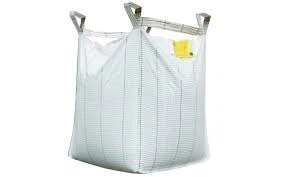
Hey there! As a supplier of Paper - plastic Composite Flat Open Bags, I often get asked about the tear resistance of these bags. It's a crucial question, especially when you're looking for reliable packaging solutions. So, let's dig deep into whether Paper - plastic Composite Flat Open Bags have good tear resistance.
Understanding Paper - plastic Composite Flat Open Bags
First off, what exactly are Paper - plastic Composite Flat Open Bags? These bags are a combination of paper and plastic materials. The paper layer gives them a natural and eco - friendly look, while the plastic layer adds strength and moisture resistance. They're commonly used for packaging a wide range of products, from food items to industrial goods. You can check out more about them Paper - plastic Composite Flat Open Bag.
Factors Affecting Tear Resistance
Material Quality
The quality of the paper and plastic used in the composite plays a huge role in tear resistance. High - grade paper with good fiber strength and a well - chosen plastic film can significantly enhance the bag's ability to withstand tearing. For example, if the paper has long and strong fibers, it can better distribute the stress when the bag is pulled or stretched. On the other hand, a low - quality plastic film might tear easily, compromising the overall integrity of the bag.
Manufacturing Process
How the paper and plastic are combined also matters. A proper lamination process ensures that the two materials bond well together. If the lamination is weak, the layers can separate easily, leading to tears. For instance, during the manufacturing process, if the temperature and pressure settings are not correct, the adhesion between the paper and plastic may be poor.
Bag Design
The design of the Paper - plastic Composite Flat Open Bag can impact its tear resistance. Bags with reinforced edges or corners are generally more tear - resistant. For example, adding an extra layer of material at the corners can prevent tears from starting and spreading. Also, the size and shape of the bag matter. A larger bag may be more prone to tearing if it's not designed properly, as it has to bear more stress when filled with heavy items.
Testing Tear Resistance
There are several ways to test the tear resistance of Paper - plastic Composite Flat Open Bags. One common method is the Elmendorf tear test. In this test, a sample of the bag material is clamped, and a pendulum is used to tear the sample. The energy required to tear the sample is measured, and this value gives an indication of the bag's tear resistance.
Another way is to conduct real - world tests. We often fill the bags with different types of products and subject them to normal handling conditions, such as stacking, transporting, and loading. By observing how the bags perform in these situations, we can get a better understanding of their tear resistance in practical use.
Comparing with Other Bag Types
Let's compare Paper - plastic Composite Flat Open Bags with some other types of bags, like Paper - plastic Composite Flat Valve Bag and Paper - plastic Composite Square Bottom M - fold Bag.
The Paper - plastic Composite Flat Valve Bag has a different opening mechanism, which may affect its tear resistance in certain situations. The valve opening can be a weak point if not properly designed, as it may be more prone to tearing when the bag is being filled or emptied.
The Paper - plastic Composite Square Bottom M - fold Bag has a unique shape, which gives it some advantages in terms of stability. However, the folds in the bag can also be potential areas for tears to start, especially if the material at the folds is not well - protected.
In general, Paper - plastic Composite Flat Open Bags can have good tear resistance, especially when compared to single - layer paper or plastic bags. The combination of paper and plastic provides a balance between the natural strength of paper and the flexibility and durability of plastic.
Real - World Applications and Tear Resistance
In the food industry, Paper - plastic Composite Flat Open Bags are widely used for packaging snacks, grains, and coffee. These bags need to have good tear resistance to prevent the contents from spilling during handling and storage. For example, when a bag of coffee beans is being transported from the warehouse to the store, it may be jostled around. A bag with poor tear resistance could easily tear, leading to a loss of product and a bad customer experience.
In the industrial sector, these bags are used for packaging chemicals, fertilizers, and construction materials. These products are often heavy, and the bags need to be able to withstand the weight without tearing. A tear in an industrial bag could lead to safety hazards, such as chemical spills.
Our Experience as a Supplier
As a supplier of Paper - plastic Composite Flat Open Bags, we've had our fair share of experiences with tear resistance. We've worked hard to improve the tear resistance of our bags by using high - quality materials and advanced manufacturing processes. We conduct regular quality checks to ensure that our bags meet the required standards.


We've also received feedback from our customers. Some have told us that our bags have held up well during transportation and storage, even for heavy - duty applications. Others have suggested improvements, which we've taken into account to further enhance the tear resistance of our bags.
Conclusion
So, do Paper - plastic Composite Flat Open Bags have good tear resistance? The answer is yes, but it depends on several factors, such as material quality, manufacturing process, and bag design. When these factors are optimized, these bags can offer excellent tear resistance, making them a reliable choice for a variety of applications.
If you're in the market for high - quality Paper - plastic Composite Flat Open Bags with good tear resistance, we'd love to talk to you. Whether you're in the food industry or the industrial sector, we can provide you with the right packaging solutions. Don't hesitate to reach out for a chat and discuss your specific needs.
References
- ASTM D1922 - Standard Test Method for Propagation Tear Resistance of Plastic Film and Thin Sheeting by Pendulum Method.
- TAPPI T414 om - 15 - Internal Tear Resistance of Paper (Elmendorf Type Method).