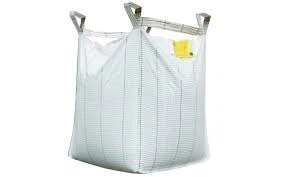
Quality control measures for Conductive Bulk Bags are super important, especially when you're a supplier like me. Conductive bulk bags, also known as FIBCs (Flexible Intermediate Bulk Containers), are used to transport and store all sorts of stuff, from powders to granules, and need to meet strict standards to ensure safety and quality.
Material Selection
The first step in quality control starts with choosing the right materials. For conductive bulk bags, we need fabrics that have good conductivity. This means using materials with special conductive fibers woven in. These fibers help to dissipate static electricity, which is crucial when dealing with flammable or explosive materials. We source our fabrics from trusted suppliers who can provide us with high - quality conductive materials that meet the required standards.
When we receive the raw materials, we conduct a series of tests. We check the conductivity of the fabric using specialized equipment. This ensures that the fabric can effectively conduct static electricity to the ground. For instance, we measure the surface resistance of the fabric to make sure it falls within the acceptable range. According to industry standards, the surface resistance should typically be between a certain minimum and maximum value. If the values are outside this range, the fabric is rejected.
Manufacturing Process
During the manufacturing process, we have several quality control checkpoints. First off, the cutting of the fabric is a precise operation. The dimensions need to be spot - on because any deviations can lead to issues with the final product. We use automated cutting machines that are programmed to cut the fabric to the exact specifications. After cutting, we inspect each piece of fabric for any defects like tears or holes.
The sewing process is also closely monitored. The seams of the conductive bulk bag need to be strong and secure. We use high - quality threads that are resistant to wear and tear. Our sewing machines are regularly maintained to ensure consistent stitch quality. We check the stitch density and the strength of the seams. A weak seam can cause the bag to break during handling or transportation, which is a big no - no.
In addition to the basic construction, we also pay attention to the conductive elements. The conductive threads or strips need to be properly integrated into the bag. We make sure they are continuous and not broken, as this could disrupt the flow of static electricity. Any bag with a faulty conductive element is immediately taken out of the production line.
Quality Testing
Once the conductive bulk bags are manufactured, they go through a comprehensive set of quality tests. One of the most important tests is the drop test. We fill the bag with a specified weight of material and drop it from a certain height. This simulates the rough handling that the bag might experience during transportation. If the bag tears or breaks during the drop test, it fails the quality check.
Another crucial test is the static dissipation test. We use a static charge generator to create a static charge on the bag and then measure how quickly the charge dissipates. A good conductive bulk bag should be able to dissipate the static charge within a very short period. If the charge takes too long to go away, it means the bag is not conducting electricity effectively and is not suitable for use with sensitive materials.
We also conduct a load - testing. We fill the bag with a maximum load and leave it for a certain period to see if it can withstand the weight without any signs of deformation or damage. This ensures that the bag can safely carry the intended amount of material.
Certification and Compliance
To prove the quality of our conductive bulk bags, we make sure they are certified according to international standards. For example, we aim for certifications like UN certification, which is recognized globally. This certification indicates that the bag meets certain safety and quality requirements for the transport of dangerous goods.
We also comply with other industry - specific standards. If we're supplying Food Grade Bulk Bag for the food industry, our bags need to meet food - contact safety standards. This means using materials that are non - toxic and won't contaminate the food.
Storage and Packaging
After passing all the quality tests, we pay attention to how we store and package the conductive bulk bags. We store them in a clean and dry environment to prevent any damage or contamination. For packaging, we use materials that will protect the bags during transportation. This might involve using plastic wrapping or cardboard boxes, depending on the customer's requirements.
Comparison with Other Bulk Bags
It's interesting to compare conductive bulk bags with other types of bulk bags, like Anti - static Bulk Bag. While anti - static bags are designed to reduce the build - up of static electricity, conductive bulk bags are more effective at dissipating static charges. Anti - static bags usually rely on surface treatments to reduce static, while conductive bags have built - in conductive elements.
Customer Feedback and Continuous Improvement
Customer feedback is a goldmine for us. We always encourage our customers to share their experiences with our conductive bulk bags. If a customer reports an issue, we take it seriously. We investigate the problem, whether it's related to the bag's conductivity, strength, or any other aspect. Based on the feedback, we make improvements to our manufacturing process or material selection. This continuous improvement cycle helps us to keep raising the bar when it comes to quality.


Conclusion
In conclusion, quality control for conductive bulk bags involves every step of the process, from material selection to customer feedback. By implementing strict quality control measures, we can ensure that our Conductive Bulk Bag meet the highest standards of safety and quality. This not only protects our customers but also helps to build a good reputation for our business.
If you're in the market for high - quality conductive bulk bags, we'd love to talk to you. Our team is ready to answer any questions you may have about our products and quality control processes. Don't hesitate to reach out to us for a consultation or to place an order.
References
- "Flexible Intermediate Bulk Containers (FIBCs): Design, Manufacture, and Use" by various industry experts
- International standards documents related to bulk bag manufacturing and safety