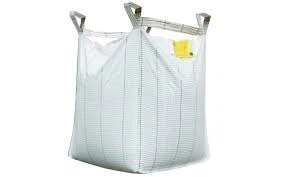
As a supplier of Paper - plastic Composite M - fold Valve Bags, I've had extensive experience with these products in various industries. While they offer numerous advantages, it's essential to be aware of their limitations. This knowledge can help customers make more informed decisions and understand when these bags might not be the best fit for their specific needs.
1. Environmental Impact
One of the significant limitations of Paper - plastic Composite M - fold Valve Bags is their environmental footprint. These bags are made from a combination of paper and plastic materials. The plastic component, often polyethylene or polypropylene, is non - biodegradable. In a world increasingly focused on sustainability, this can be a major drawback.
Plastic takes hundreds of years to break down in the environment. When these bags end up in landfills, they contribute to the growing problem of plastic pollution. Even if the paper part of the bag decomposes relatively quickly, the plastic remains, posing a long - term threat to the ecosystem. For companies aiming to achieve high - level environmental sustainability goals, such as zero - waste initiatives or carbon neutrality, the use of Paper - plastic Composite M - fold Valve Bags may not align with their values.
In contrast, there are more eco - friendly alternatives on the market. For example, Paper - plastic Composite Square Bottom Flat Bag can sometimes be designed with a higher proportion of biodegradable materials or can be more easily recycled. However, these options also have their own trade - offs in terms of cost and performance.
2. Cost Considerations
The production cost of Paper - plastic Composite M - fold Valve Bags can be relatively high. The manufacturing process involves combining paper and plastic materials, which requires specialized equipment and additional steps compared to single - material bags. The cost of raw materials, especially high - quality paper and plastic films, also contributes to the overall expense.
For small - scale businesses or those with tight budgets, the cost of these bags can be a significant deterrent. They may find it more cost - effective to use simpler packaging solutions, such as regular paper bags or basic plastic sacks. Even for larger companies, the long - term cost of using Paper - plastic Composite M - fold Valve Bags can add up, especially when dealing with high - volume packaging requirements.
Moreover, the price of raw materials can be volatile. Fluctuations in the price of paper pulp and petroleum - based plastics can lead to unpredictable cost changes for these bags. This instability makes it difficult for businesses to plan their packaging budgets accurately.
3. Limited Resistance to Extreme Conditions
Paper - plastic Composite M - fold Valve Bags have limitations when it comes to withstanding extreme environmental conditions. While they are generally suitable for normal storage and transportation environments, they may not perform well in very high - humidity or extremely cold conditions.
In high - humidity environments, the paper component of the bag can absorb moisture, which weakens the bag's structure. This can lead to issues such as tearing, bursting, or loss of the bag's shape. The plastic layer may also be affected by moisture, as it can cause the adhesion between the paper and plastic to break down over time.
On the other hand, in extremely cold conditions, the plastic component can become brittle. This increases the risk of cracking and breaking, especially during handling or when the bags are subjected to mechanical stress. For industries that need to store or transport products in harsh environments, such as the chemical or agricultural sectors, these limitations can be a serious concern.
4. Complex Recycling Process
Recycling Paper - plastic Composite M - fold Valve Bags is a complex process. Unlike single - material bags, which can be easily recycled through standard recycling facilities, these composite bags require more specialized treatment.
The combination of paper and plastic makes it difficult to separate the two materials efficiently. Most traditional recycling plants are not equipped to handle such composite materials. As a result, a large number of these bags end up in landfills instead of being recycled.
Even in areas with advanced recycling technologies, the process of recycling Paper - plastic Composite M - fold Valve Bags is often energy - intensive and costly. This further reduces the economic viability of recycling these bags, compared to more easily recyclable packaging options.
5. Design and Customization Constraints
While Paper - plastic Composite M - fold Valve Bags offer some level of customization, there are still certain design constraints. The manufacturing process and the nature of the composite materials limit the range of shapes, sizes, and printing options available.
For example, creating highly intricate or large - scale printed designs on these bags can be challenging. The different properties of paper and plastic can cause issues with ink adhesion and color consistency. This can be a problem for companies that rely on eye - catching packaging to attract customers or to convey important product information.
In addition, modifying the bag's structure, such as changing the valve design or the fold pattern, may require significant adjustments to the manufacturing process. This can lead to longer lead times and higher costs for custom - made bags.

6. Compatibility with Certain Products
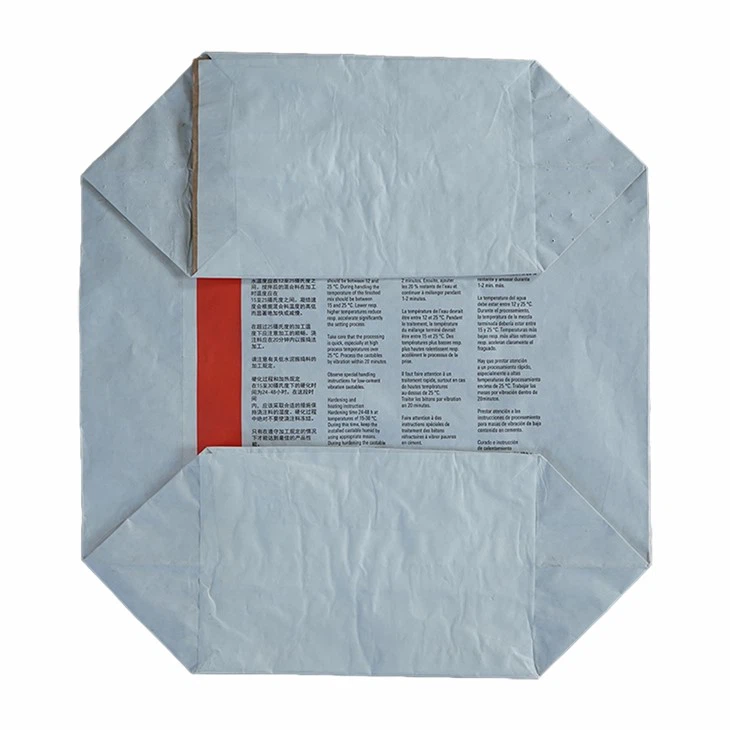
Paper - plastic Composite M - fold Valve Bags may not be compatible with all types of products. Some products, especially those with sharp edges or abrasive surfaces, can damage the bag during filling or transportation. The paper layer can be easily scratched or punctured, and the plastic layer may also be affected by friction.
Certain chemicals or substances may also react with the bag materials. For example, some solvents or corrosive liquids can dissolve or degrade the plastic or paper components of the bag. This can lead to product leakage, contamination, or a loss of the bag's protective function.
Conclusion
Despite these limitations, Paper - plastic Composite M - fold Valve Bags still have their place in the packaging industry. They offer good strength, durability, and protection for many types of products under normal conditions. However, it's crucial for customers to understand these limitations and evaluate whether these bags are the right choice for their specific needs.
If you're considering using Paper - plastic Composite M - fold Valve Bags or exploring other packaging options like Paper - plastic Composite Crepe Paper Sewn Bottom Bag or Paper - plastic Composite Flat Valve Bag, I encourage you to contact us for a detailed discussion. We can help you assess your requirements, understand the pros and cons of different packaging solutions, and find the most suitable option for your business.
References
- Packaging Industry Handbook, 3rd Edition
- Journal of Sustainable Packaging
- Research Papers on Composite Packaging Materials