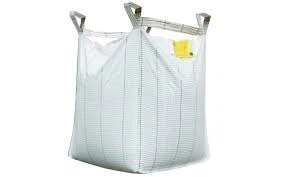
Selecting the appropriate paper - plastic composite packaging bag for your product is a crucial decision that can significantly impact your product's safety, shelf appeal, and overall marketability. As a seasoned paper - plastic composite packaging bag supplier, I understand the intricacies involved in this process and am here to guide you through the key considerations.
1. Product Characteristics
The first step in choosing the right packaging bag is to thoroughly understand your product. Consider the following aspects:


Physical Properties
- Size and Shape: The dimensions of your product will determine the size and shape of the packaging bag. For irregularly shaped products, a more flexible bag design may be required. For example, if you are packaging small, round items like candies, a flat - bottomed bag might be a good choice to ensure stability during storage and transportation.
- Weight: Heavy products demand stronger packaging. Paper - plastic composite bags come in various thicknesses and strengths. For instance, if you are packaging construction materials such as cement powder, a thick and durable Paper - plastic Composite M - fold Valve Bag is necessary to withstand the weight and prevent tearing.
Chemical Properties
- Moisture Sensitivity: Some products are highly sensitive to moisture. In such cases, a packaging bag with excellent moisture - barrier properties is essential. Paper - plastic composites can be engineered to have a high - density polyethylene (HDPE) or polypropylene (PP) layer on the inside, which acts as a moisture barrier. For example, food products like dried fruits need to be protected from moisture to maintain their freshness and prevent spoilage.
- Reactivity: If your product is reactive to certain chemicals or gases, the packaging bag must be able to isolate it from the external environment. For example, some pharmaceutical products may react with oxygen, so a bag with an oxygen - barrier layer is required.
2. Packaging Function
The function of the packaging bag goes beyond just containing the product. It also plays a role in product protection, handling, and marketing.
Protection
- Barrier Protection: As mentioned earlier, protection against moisture, oxygen, light, and other environmental factors is crucial. The paper - plastic composite structure can be customized to provide different levels of barrier protection. For example, a Paper - plastic Composite Printed Bag can have an additional layer of aluminum foil to block light and oxygen, which is ideal for products like coffee beans that are sensitive to light and oxygen exposure.
- Mechanical Protection: The bag should be able to withstand the rigors of handling, transportation, and storage. Reinforced seams and edges can enhance the mechanical strength of the bag. For example, bags used for transporting agricultural products like grains may encounter rough handling during loading and unloading, so they need to be mechanically robust.
Handling
- Filling and Sealing: The design of the bag should facilitate easy filling and sealing. Valve bags, such as the Paper - plastic Composite Flat Valve Bag, are designed for efficient filling of powdered or granular products. They have a valve opening that allows for quick and clean filling, and then can be easily sealed to prevent leakage.
- Stackability and Storage: The bag's shape and structure should allow for easy stacking and storage. Bags with a flat bottom and straight sides are more stackable, which is important for maximizing storage space in warehouses and on store shelves.
Marketing
- Printability: A well - designed printed bag can enhance your product's brand image and attract customers. Paper - plastic composite bags offer excellent printability, allowing you to display product information, logos, and marketing messages clearly. High - quality printing can make your product stand out on the shelf.
- Transparency: In some cases, transparency can be an advantage, especially for products where the consumer wants to see the contents. Some paper - plastic composite bags can be made with a transparent window, which is useful for products like snacks or cosmetics.
3. Cost - Effectiveness
Cost is always a significant factor in the packaging decision - making process. While it is important to choose a high - quality packaging bag, you also need to consider the cost - effectiveness.
Material Cost
- Base Materials: The cost of paper and plastic materials can vary depending on the quality and quantity. You need to balance the need for high - performance materials with your budget. For example, using a lower - grade paper may reduce the cost, but it may also compromise the strength and durability of the bag.
- Additives and Coatings: Additional layers, coatings, or additives that enhance the bag's performance, such as moisture - barrier coatings or anti - static agents, will increase the cost. You need to evaluate whether these additional features are necessary for your product.
Production Cost
- Bag Design: Complex bag designs may require more advanced manufacturing processes, which can increase the production cost. For example, bags with special shapes or multiple compartments may be more expensive to produce than simple flat bags.
- Printing and Finishing: High - quality printing and finishing processes, such as embossing or laminating, will add to the cost. You need to determine the level of printing and finishing required to achieve your marketing goals without overspending.
4. Environmental Considerations
In today's environmentally conscious market, choosing an eco - friendly packaging solution is becoming increasingly important.
Recyclability
- Material Compatibility: Paper - plastic composite bags can be recycled, but the recyclability depends on the type of paper and plastic used. Some combinations are more easily recyclable than others. For example, bags made with a single - type plastic layer and a recyclable paper layer are more likely to be recycled.
- Recycling Infrastructure: The availability of recycling facilities in your area also affects the practicality of using recyclable bags. You should consider whether the local recycling infrastructure can handle paper - plastic composite bags.
Biodegradability
- Biodegradable Materials: Some paper - plastic composite bags can be made with biodegradable plastics or paper derived from sustainable sources. These bags are more environmentally friendly as they can break down naturally over time. For example, if you are packaging organic products, using a biodegradable paper - plastic composite bag can enhance your brand's environmental image.
5. Regulatory Compliance
Your packaging bag must comply with relevant regulations and standards.
Food Safety Regulations
- Contact with Food: If your product is a food item, the packaging bag must meet strict food - safety regulations. The materials used in the bag should be non - toxic and safe for direct contact with food. For example, the inner layer of the bag should be made of food - grade plastic.
- Labeling Requirements: There are also regulations regarding product labeling on the packaging bag. You need to ensure that all required information, such as ingredients, nutritional facts, and expiration dates, is clearly printed on the bag.
Industry - Specific Regulations
- **Different industries have their own set of regulations. For example, the pharmaceutical industry has strict regulations regarding the packaging of drugs to ensure product safety and efficacy. You need to ensure that your packaging bag meets all the relevant industry - specific requirements.
In conclusion, choosing the right paper - plastic composite packaging bag for your product requires a comprehensive consideration of product characteristics, packaging function, cost - effectiveness, environmental impact, and regulatory compliance. As a professional paper - plastic composite packaging bag supplier, I am committed to providing you with the best - suited packaging solutions. If you have any questions or need further assistance in selecting the right packaging bag for your product, please feel free to contact me for a detailed consultation and procurement negotiation.
References
- Packaging Machinery Manufacturers Institute (PMMI). "Packaging Handbook."
- International Safe Transit Association (ISTA). "Testing Methods for Packaging."
- Food and Drug Administration (FDA). "Regulations for Food Packaging Materials."